Few things stop a workout faster than a cramp. One moment the calf feels fine; the next it has locked into a hard, painful knot. Exercise-associated muscle cramps are common among runners, swimmers, cyclists and gym regulars alike, and they are usually harmless and short-lived. Knowing what tends to set them off — and how to release one calmly — turns an alarming moment into a minor pause.
What Is Actually Happening
A cramp is an involuntary, sustained contraction: the muscle tightens and refuses to let go on command. It most often strikes the calves, hamstrings, quads and feet — the muscles doing the hardest, most repetitive work. For decades cramps were blamed almost entirely on dehydration and lost salt, but current thinking is more nuanced. Many researchers now point to muscle fatigue, which seems to disturb the signals between nerve and muscle so that the “contract” message outweighs the “relax” message. Fluid and electrolyte losses may still play a part for some people, especially in long, hot sessions, but they don’t explain every cramp.
Common triggers include pushing harder or longer than usual, starting a new activity, exercising in heat, short sleep, and holding a muscle in a shortened position for a long time, such as pointing the toes while swimming.
How to Release a Cramp in the Moment
The quickest relief for most cramps is a gentle, sustained stretch of the cramping muscle. Lengthening it helps restore the “relax” signal the nerve has stopped sending. Work through it in this order:
- Stop and ease off. Pushing through a cramp rarely works and can strain the muscle.
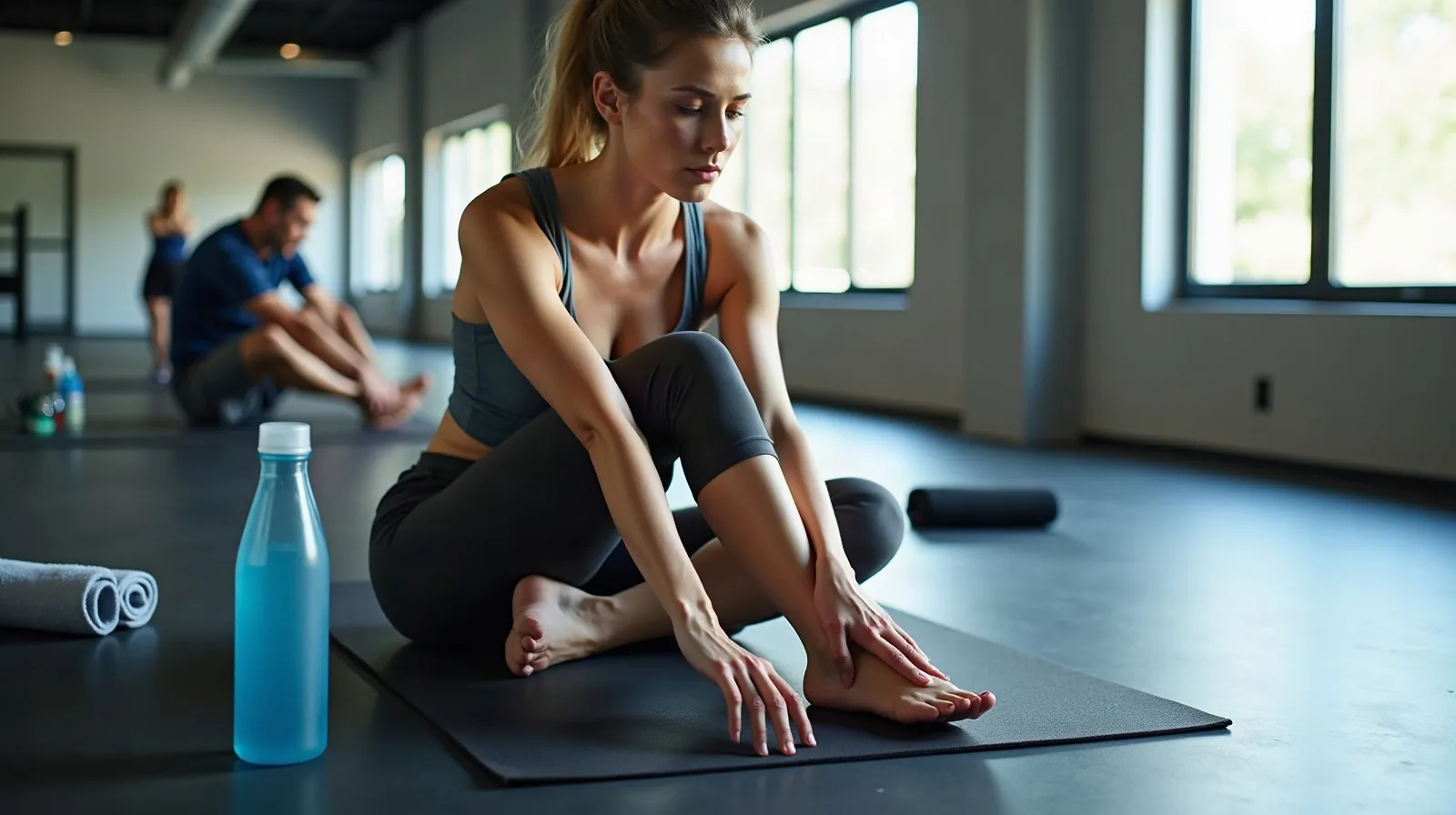
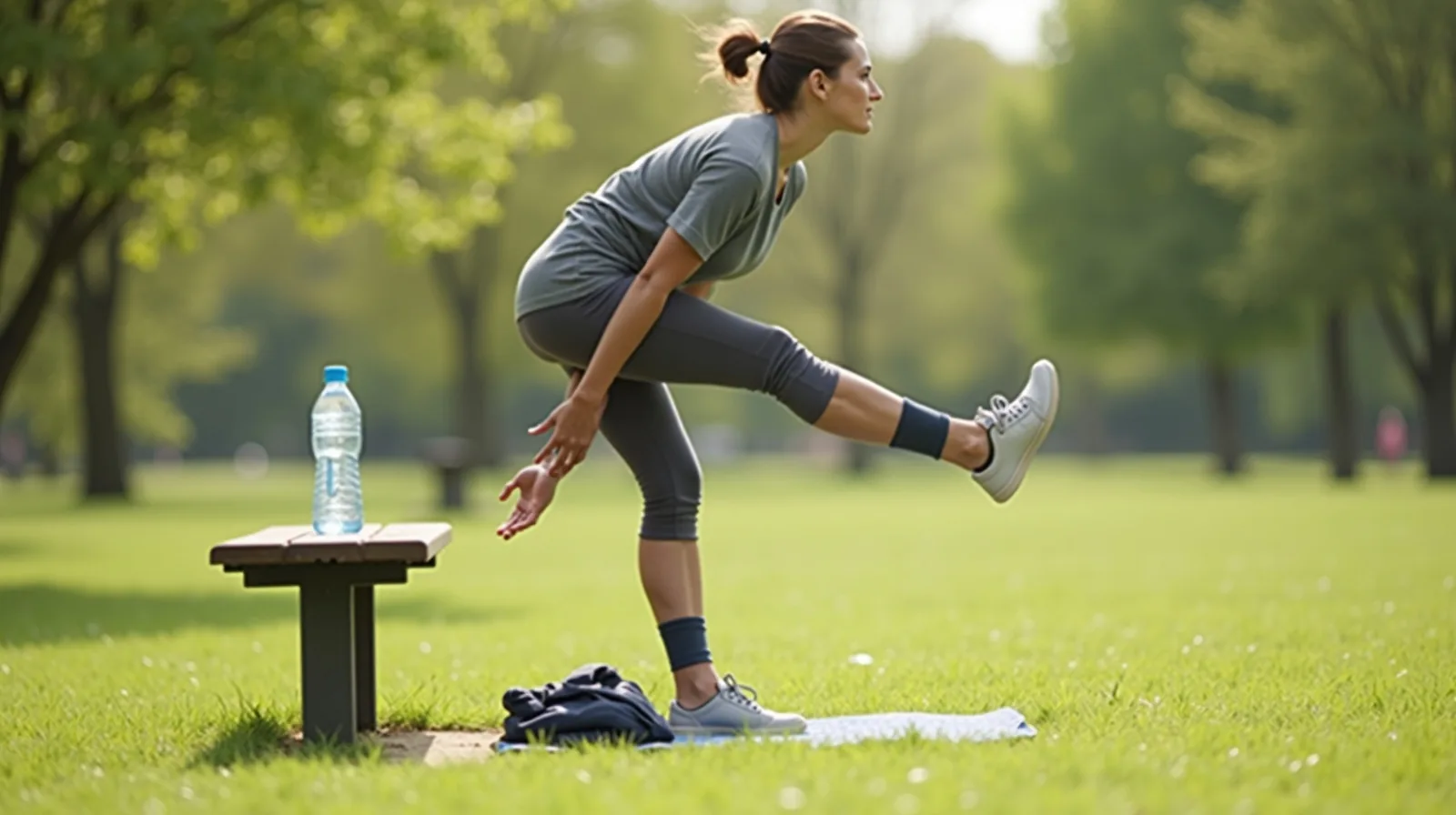
- Stretch it gently. For a calf, straighten the leg and pull the toes toward you, or press the heel down with your hands against a wall. For a hamstring, straighten the knee and hinge forward slightly from the hips.
- Hold steady. Keep the stretch for roughly 20 to 30 seconds without bouncing, breathe slowly, and repeat if the knot returns.
- Add light pressure. Kneading or rubbing the muscle with your hand can help it let go.
- Ease back in slowly. Walk or move at an easy pace for a few minutes before returning to full effort — or call it a day if the cramp keeps coming back.
The muscle may feel tender for a day or so afterward. Gentle movement and warmth usually help more than complete rest.
Habits That Make Cramps Less Likely
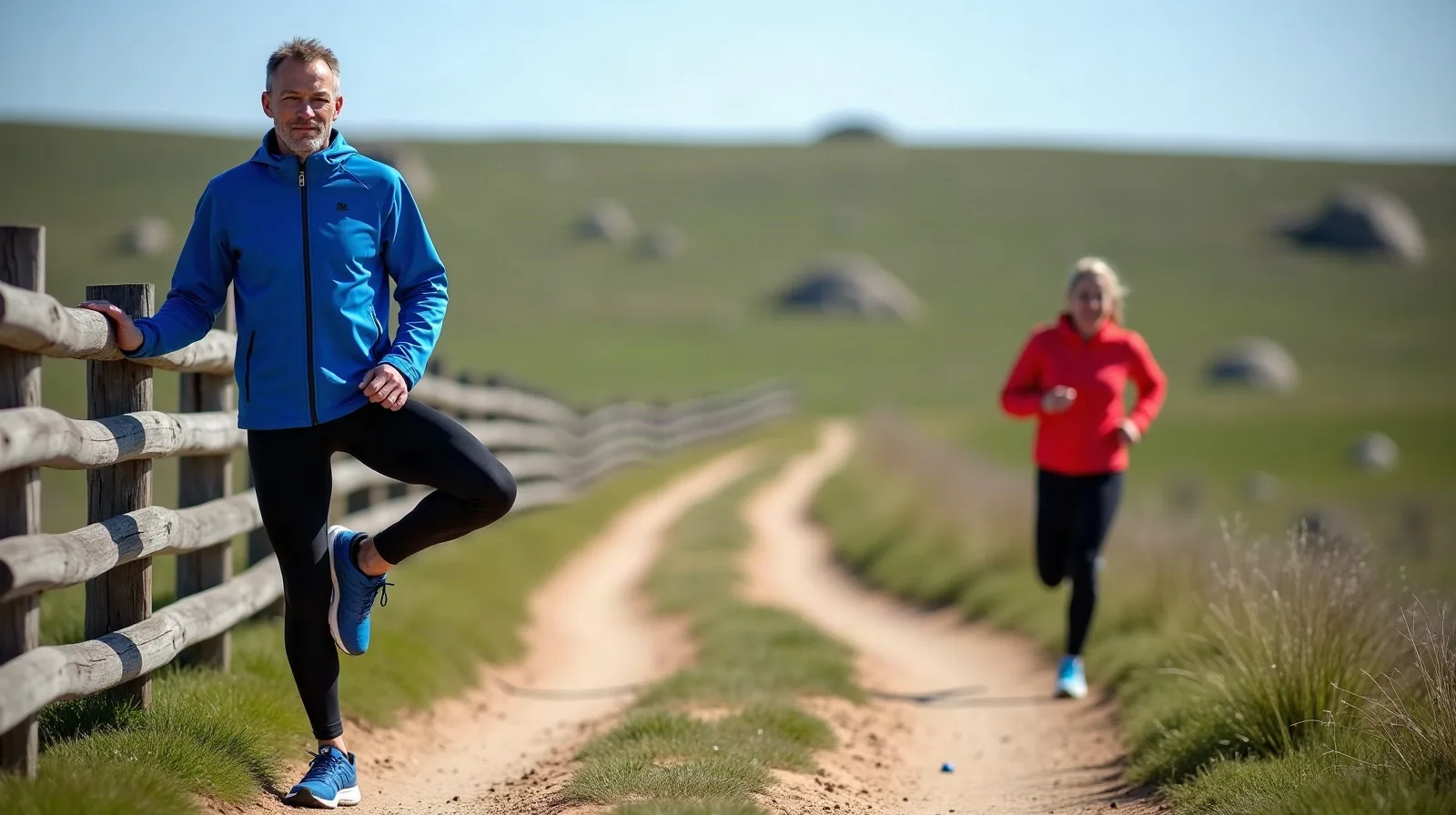
Because fatigue is a leading suspect, the most dependable prevention is training within your current fitness. Build distance, pace and weight gradually rather than in big jumps, and expect cramps to be more likely late in a long or unusually hard session. A short dynamic warm-up prepares muscles for the work ahead, and regular stretching of the calves and hamstrings keeps them comfortable through their full range.
Drink to thirst before and during exercise, and pay closer attention on hot days and in long sessions, where heavy sweating can deplete sodium as well as water. A normal meal beforehand covers most people; for very long efforts, mainstream sports guidance generally points toward drinks that include electrolytes. Sleep and rest days matter too, since tired muscles cramp more readily.
When a Cramp Is Worth Checking
An occasional cramp during hard exercise is normal. It is worth checking with your doctor or a qualified professional if cramps are frequent or severe, happen often at rest or at night, come with swelling, redness, warmth or weakness in the leg, or began after starting a new medication — and before making big changes to your training or fluid habits if you have a heart, kidney or circulation condition. Sudden severe pain, confusion or dizziness while exercising in heat needs prompt medical attention.