
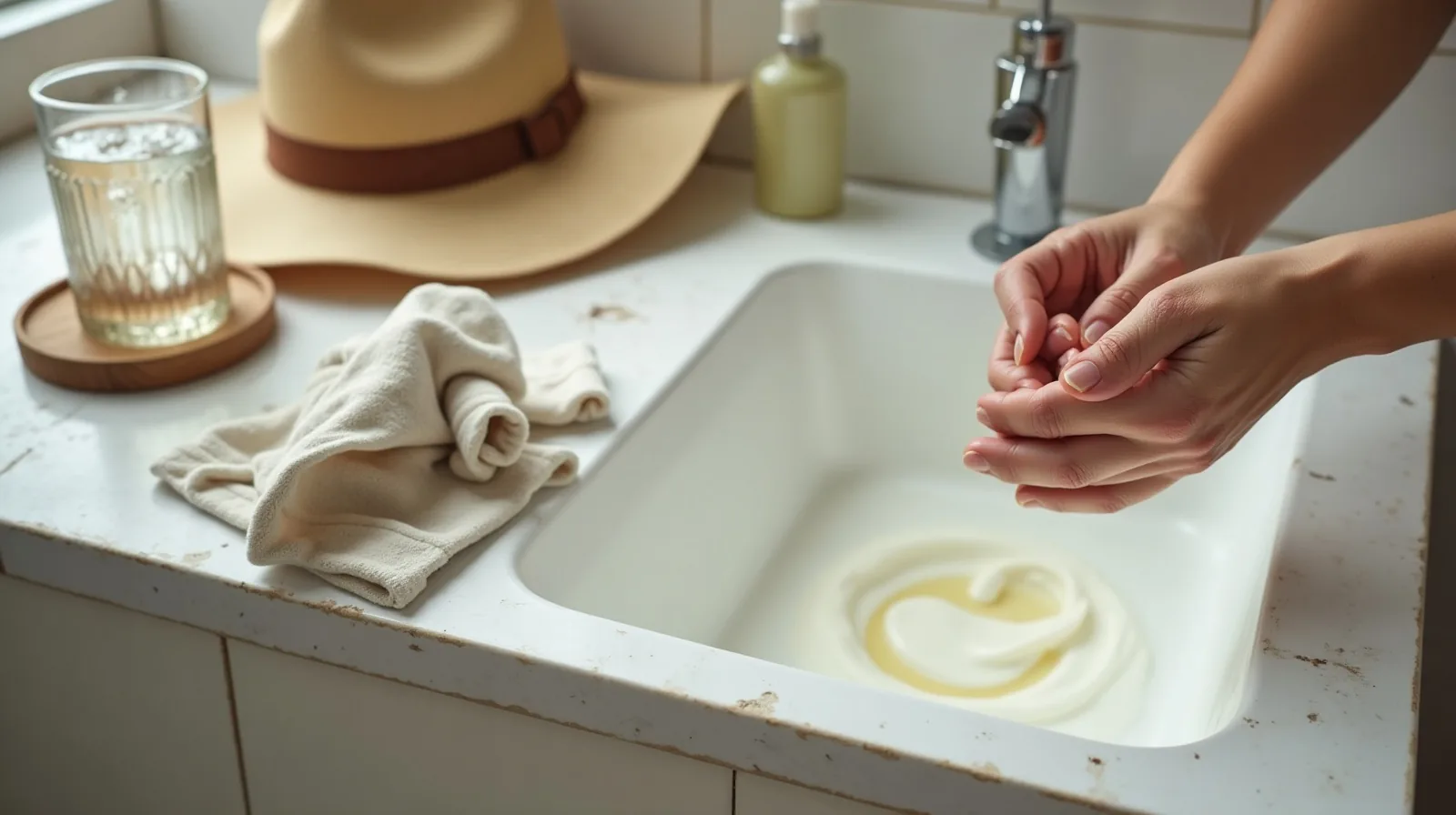
Skin aging is mostly arithmetic. Very little of what shows up in a mirror at forty came from one bad summer or one late night. It came from small, repeated exposures stacking up over decades in the same few places: the backs of the hands, the tops of the cheeks, the side of the face that spends years next to a car window. Buried in that math is something encouraging, though. The same repetition works in the other direction, and the habits involved are ordinary ones.
What Visible Aging Actually Is
Under the surface, skin is held up by a scaffold of collagen and elastin. Older skin has less of both, and what remains is more disorganized, so the surface loses the springiness that lets it bounce back from a smile or a pillow crease. Pigment cells get patchier over the same period, which is where uneven tone and the flat brown spots on hands and forearms come from.
Skin specialists tend to separate the clock from the exposure. Some change is simply time and genetics, and none of that is a failure of care. A large share of what people actually notice, especially texture, spots and deep lines in uncovered areas, is attributed to accumulated environmental exposure. That is the portion daily habits can touch.
The Habits That Add Up Quietly
None of these do visible damage in a day, which is exactly why they are easy to keep. All of them are cumulative.
- Unprotected sun exposure. Research so far points consistently to ultraviolet light as the largest single contributor to visible aging in exposed skin. Incidental exposure counts: the commute, the walk to the mailbox, an hour on a patio.
- Short sleep, night after night. Skin does a good deal of its repair work during sleep, and chronic short nights are associated with duller tone, slower healing and more visible puffiness.
- Smoking and vaping. Smoking is well established as an accelerator of skin aging, through both reduced blood supply and repeated damage to collagen. The fine lines around the mouth are the familiar signature.
- Heavy drinking and running dry. Well-hydrated skin looks smoother and reflects light more evenly, while alcohol is both dehydrating and inflammatory. A run of heavy nights shows in a face before it shows anywhere else.
- Repeated friction. Rubbing tired eyes, resting a chin in a hand for hours, or sleeping face-down in the same position every night presses the same creases into the same places thousands of times.
- Over-scrubbing. Daily harsh exfoliation, very hot water and stripping cleansers wear down the barrier that holds moisture in, leaving skin that reads as rough and irritated rather than fresh.
When Trying Too Hard Backfires
That last one deserves its own paragraph, because it is the habit most often mistaken for good care. A stinging face is not evidence that something is working. Stacking several strong active ingredients, exfoliating every morning and finishing with a scalding shower can leave the barrier compromised for weeks, and a compromised barrier flakes, flushes and stings under products it used to tolerate. The fix is usually subtraction: a gentle cleanser, a plain moisturizer, and a pause on everything else. If a routine keeps leaving skin raw, or a spot changes shape, size or color, that is a conversation for a doctor or a dermatologist rather than a reason to buy something stronger.
What Reliably Helps
Public health guidance generally points toward daily sun protection on exposed skin as the highest-value habit available, with shade, a brimmed hat and long sleeves doing a real share of the work alongside sunscreen. Everything else is similarly unglamorous: a mild cleanser, moisturizer applied while skin is still damp, enough sleep to feel rested most mornings, water through the day, and not smoking. Anyone considering a prescription-strength ingredient or an in-office procedure is better off running it past a qualified professional first, particularly alongside other medications.
Expect slow returns. Skin renews on a scale of weeks, and the payoff from better habits arrives over months rather than days — which is precisely why the small repeated things matter more than anything dramatic.