Meal planning gets all the credit for grocery savings, and it earns some — but a surprising share of the bill is decided after you walk through the doors, in a building professionally arranged to raise your total. The store’s layout, the shelf heights, the end-of-aisle displays, even the music are all doing a job. The good news is that the counter-moves are simple, they don’t require coupons or spreadsheets, and once they become habit they work on every single trip.
Read the Shelf Tag’s Small Print
The big number on the shelf tag is the price. The small number underneath — cost per ounce, per pound, or per hundred count — is the truth, and it’s the single most valuable habit in this article. Unit prices let you compare across every trick of packaging: the “family size” that costs more per ounce than two regular boxes, the sale sticker on a shrunken package, the fancy jar versus the humble bag. Bigger is often cheaper, but not reliably — which is exactly why the unit price exists. Check it every time for the categories you buy weekly, and within a month you’ll know your staples’ fair prices by heart, which turns every “sale” sign into a claim you can verify instead of a reflex you obey.
Give Store Brands a Fair Audition
Store brands routinely cost meaningfully less than the name on the billboard, and for pantry staples — flour, sugar, oats, canned tomatoes, butter, frozen vegetables, basic medications with the same active ingredient — the difference in the package is often larger than the difference inside it. The fair way to test this is one swap at a time: replace a single name-brand staple with the store version for a week, keep the ones nobody notices, and quietly return the few that genuinely taste worse to you. Most households that run this experiment end up keeping far more swaps than they expected, and the savings recur on every trip forever.
Habits That Pay at the Shelf
A handful of in-store reflexes do most of the remaining work:
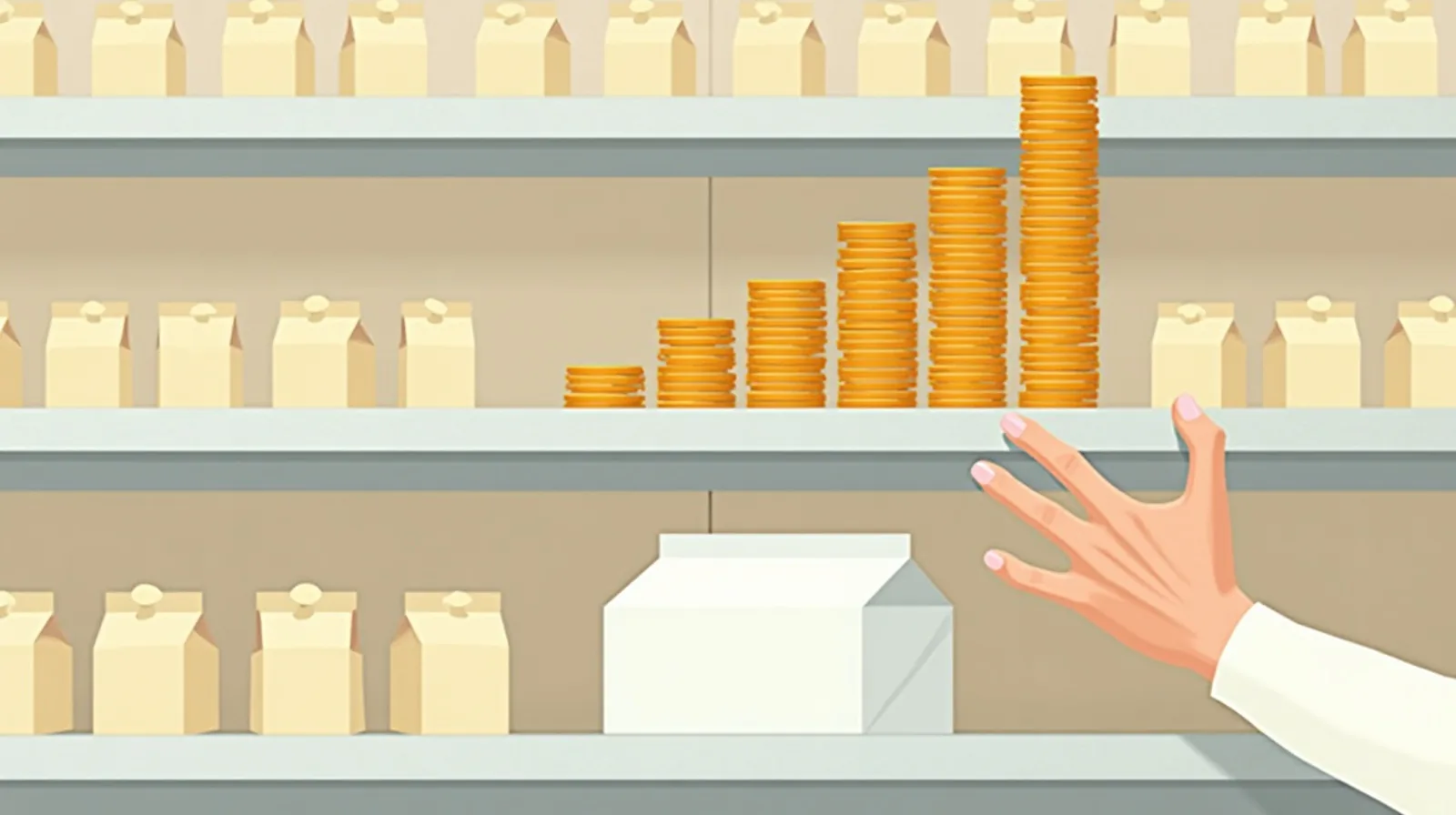
- Look high and low. Eye-level shelf space is the store’s prime real estate, and premium brands occupy it. The better unit prices usually live near your knees and above your head.
- Be skeptical of end caps. Those end-of-aisle displays read as deals, but they’re often just featured products at regular price. Check the tag against the item’s home aisle.
- Learn the markdown rhythm. Bakery, meat, and ready-made items get discount stickers on a schedule — often in the morning. Ask a staff member when; they’ll usually just tell you.
- Price the convenience tax. Pre-cut fruit, shredded cheese, and single-serve packs can cost double per pound. Sometimes the time is worth it — but decide on purpose, at the tag.
- Open the loyalty app in the aisle. Many stores lock their best prices behind digital coupons that take one tap to add. Thirty seconds before checkout regularly finds money on items already in the cart.
- Run a cart audit. Before the register, take sixty seconds to find two impulse items you don’t actually want. They’re almost always there.
Timing Is the Quietest Discount
When you shop changes what you pay. Midweek trips tend to meet fuller markdown shelves and shorter lines than weekend rushes, and many stores start new sale cycles midweek too. Shopping after a meal instead of before one is old advice that keeps earning its keep — hunger is the impulse aisle’s best salesperson. And simply going less often may be the biggest lever of all: every trip has a floor of impulse spending, so two well-timed trips will almost always beat four quick ones, no willpower required.