Somewhere between the school-supply aisle and the kitchen table, “practice at home” became a stack of worksheets — and a nightly standoff. Kids can smell a worksheet through a closed backpack. But watch the same child play a card game and you’ll see them compare numbers, add in their head, and hold a rule set in memory for half an hour without a word of complaint. The skills schools want practiced are already hiding inside play. The job at home isn’t inventing lessons — it’s nudging the games you already play until they quietly do double duty.
Why Play Beats the Worksheet
Practice works through repetition, and repetition is exactly what worksheets ration and games deliver by the bucket. A kid playing a dice game rolls, adds, and compares dozens of times in ten minutes — more math reps than a page of problems, with none of the dread. Games are low-stakes: a wrong answer costs a turn, not a red mark, so kids keep swinging. And because they’re fun, kids ask to play again, which is the whole battle. Short, frequent, and cheerful beats long, rare, and grim every single time.
Math You Can Play on the Driveway (and the Floor)
Most of it needs nothing but chalk, cards, and dice:
- Hopscotch math. Draw a numbered grid in sidewalk chalk and call out problems — “hop to 3 plus 4!” — so answers land with both feet. Movement makes numbers stick.
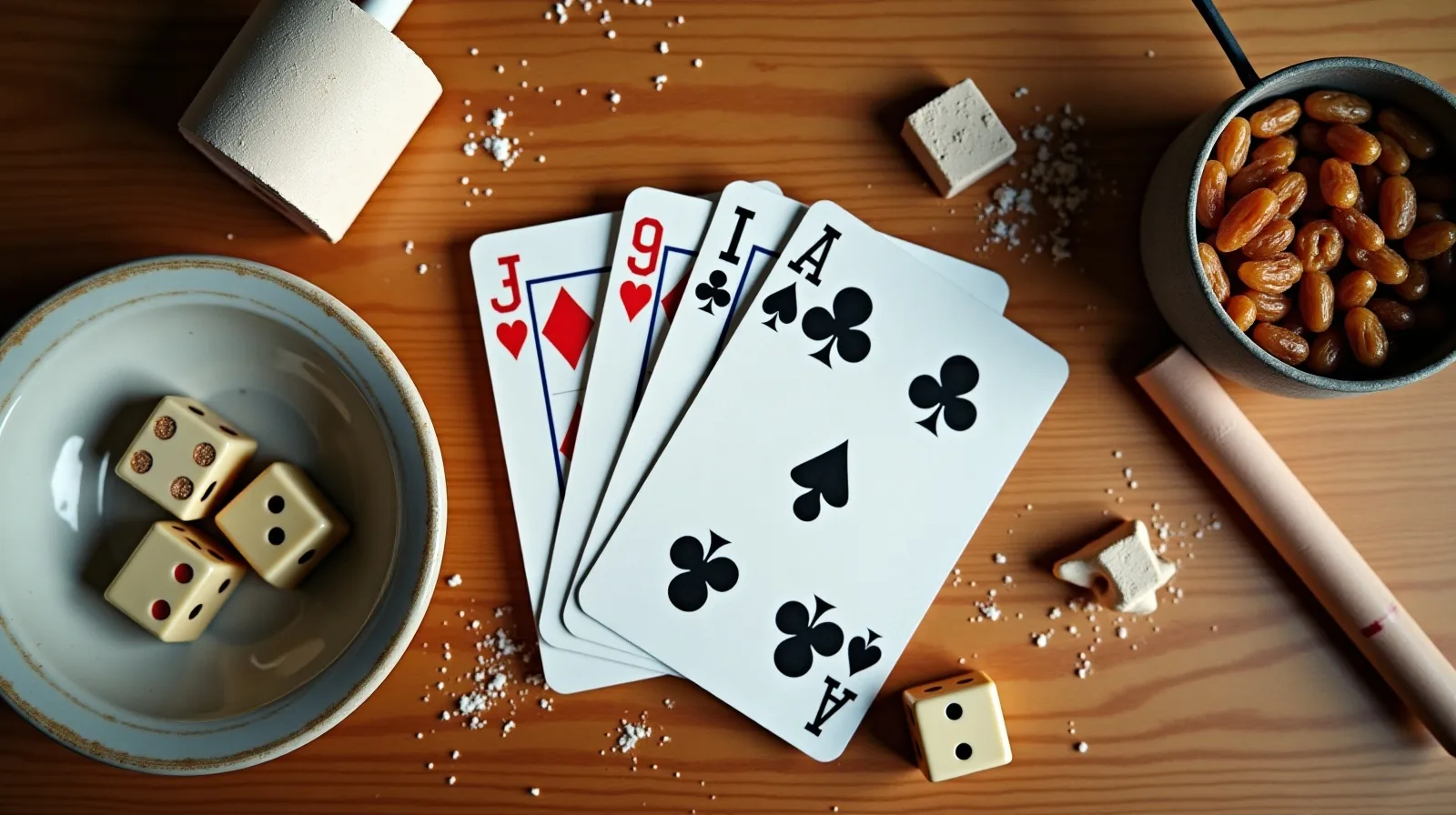
- A deck of cards. The classic top-card battle is pure number comparison; flip two cards each and race to add them for the next level up.
- Dice on the table. Roll two and add, roll three for bigger kids, race to 100 with a running tally — place-value practice in disguise.
- The measuring cup. Halving or doubling anything you cook together is a fractions lesson with a snack at the end.
- Grocery guessing. Everyone estimates the cart total at checkout; closest wins. Rounding and estimation, taught by a receipt.
Reading Games That Sneak Past the Resistance
Reading practice doesn’t have to look like reading. A treasure hunt with written clues turns decoding into a race to the prize — start with one-word clues and work up to full silly sentences. Turning on captions during shows quietly pairs spoken and written words for hundreds of lines a night. Handing over the menu and letting kids order for themselves gives reading an immediate, delicious payoff. In the car, sign games — find a word that starts with B, read the funniest town name — fill the miles. And fill-in-the-blank story games, where kids supply the words and read back the ridiculous result, make rereading its own reward. None of it looks like practice, and all of it is.
Keep It Small, and Quit While It’s Fun
The rules for making this work are mostly rules of restraint. Five minutes counts — frequency matters far more than length. Follow the child’s energy: a game they chose beats a better game they didn’t. Stop while it’s still fun, because ending on a laugh is what earns the next round. And resist the urge to turn every game into a pop quiz — the moment it feels like a test, the disguise fails and the resistance comes right back. If a child struggles with these games well past what feels typical for their age, that’s worth a friendly conversation with their teacher, who can tell you whether extra support would help. Otherwise, deal the cards and let the practice hide in plain sight.