Weekday breakfast usually loses to the clock. There is time to eat, in theory, but not to stand at a stove cracking eggs while someone hunts for a missing shoe, so breakfast becomes coffee and whatever is nearest the door. A freezer full of breakfast burritos fixes that particular problem better than almost anything else, because the whole meal is already assembled, portioned, and wrapped. One afternoon of cooking yields a month of mornings where breakfast takes ninety seconds and involves no decisions at all.
One Afternoon, Twelve Burritos
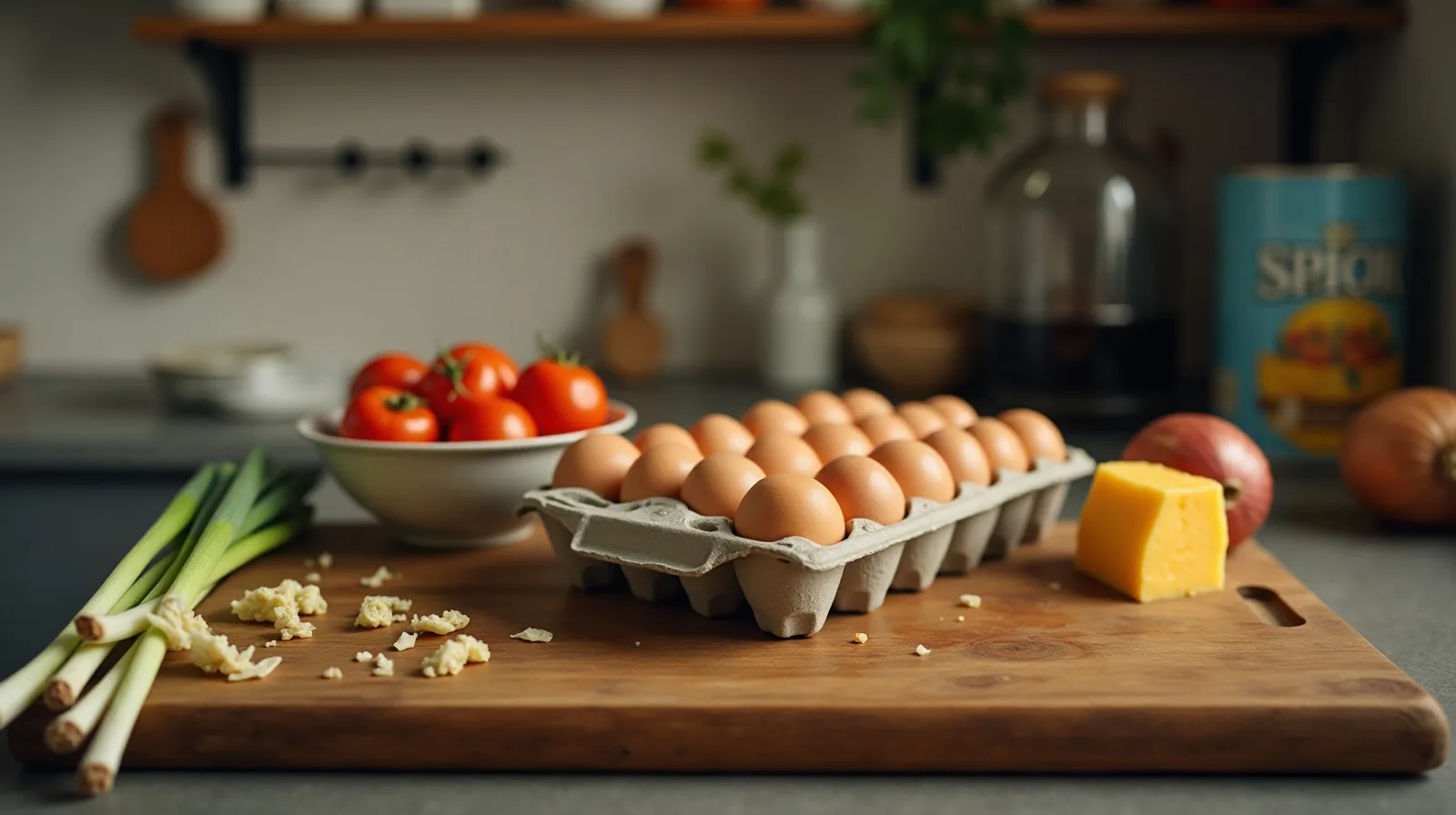
The batch below makes a dozen. You need twelve large flour tortillas, about two pounds of potatoes cut into small cubes, eighteen eggs, a pound of cooked breakfast sausage or two drained cans of black beans, and roughly two cups of shredded cheese. Toss the potatoes with oil, salt, and paprika and roast them on a sheet pan at 425°F for about 30 minutes, turning once. While they roast, brown the sausage in a skillet, then scramble the eggs low and slow and pull them off the heat while they still look slightly underdone. They will finish cooking during reheating, and eggs that were fully cooked twice turn rubbery.
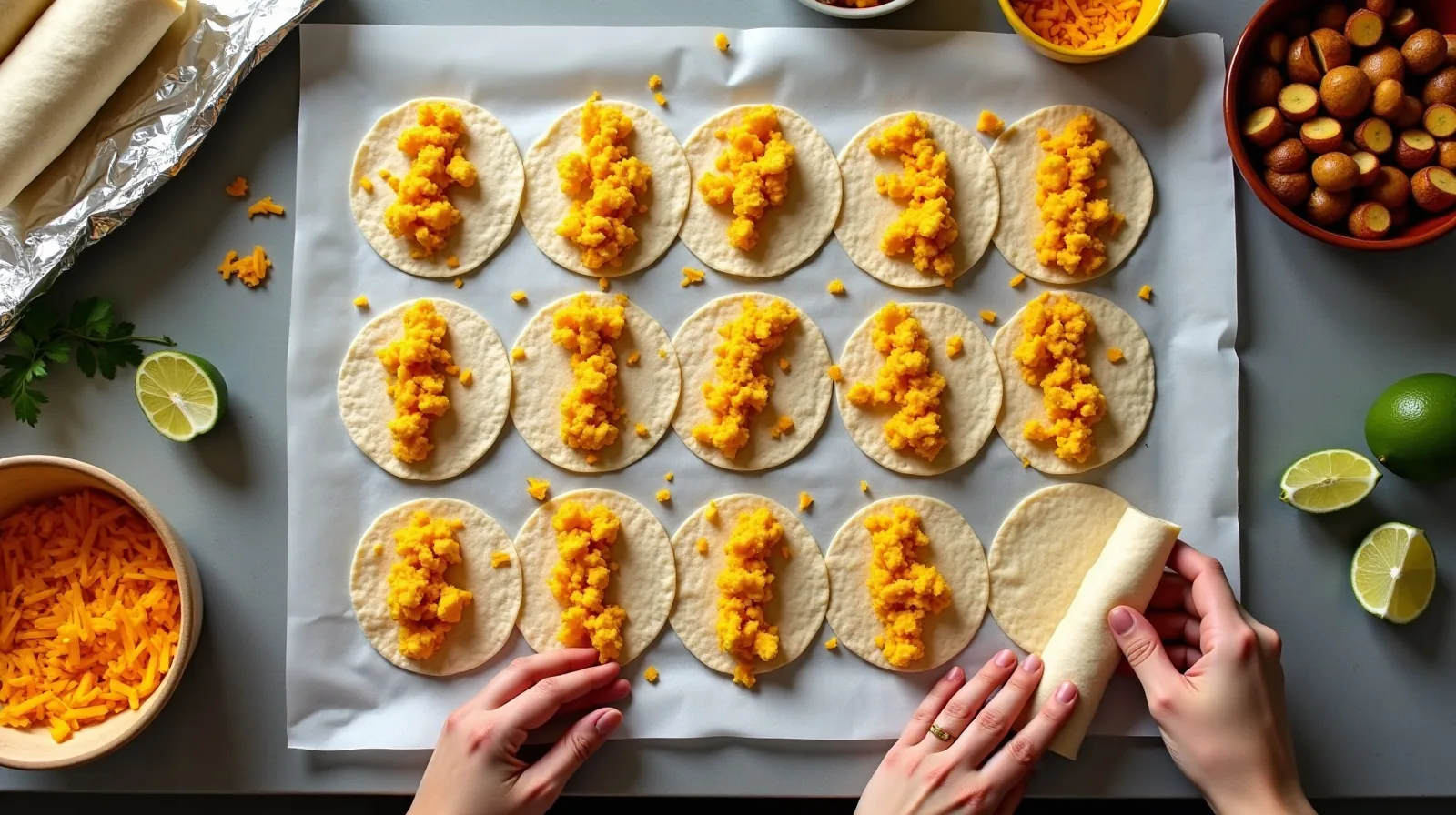
Then comes the step people skip, and it is the one that decides whether the whole batch works: let every component cool completely, spread out, before anything gets rolled. Warm filling steams inside the wrapper, and that trapped moisture is what turns a good burrito into a wet one four weeks later. Once everything is cool, line the tortillas up on the counter and load them one component at a time, assembly-line style, rather than building each burrito start to finish.
Fillings That Survive the Freezer
- Starchy anchors. Roasted potatoes, rice, or a spoonful of drained beans sit at the bottom of the roll and absorb moisture that would otherwise reach the tortilla.
- Slightly underdone eggs. Scrambled soft and cooled fast, they reheat into something close to fresh. Overcooked eggs come back squeaky.
- Cooked and well-drained proteins. Sausage, chorizo, shredded chicken, or seasoned beans all freeze cleanly as long as you drain the fat and liquid first.
- Firm shredded cheese. Shred it yourself if you can, and keep it in the middle of the roll where it melts into a seal rather than a puddle.
- Cooked, not raw, vegetables. Sautéed peppers, onions, and spinach work well once squeezed dry. Raw tomato, lettuce, avocado, and salsa do not.
- Everything fresh goes on later. Hot sauce, sour cream, cilantro, and sliced avocado belong on the plate after reheating, not inside the roll.
Wrapping and Labeling
Warm the tortillas briefly so they fold without cracking, then keep the filling in a tight stripe slightly below center. Fold the two sides in first, then roll away from you, pulling back gently on each turn so the log stays firm. Loose burritos come apart in the freezer; tight ones do not. Wrap each one snugly in parchment or foil, then put the wrapped burritos into a large freezer bag with the air pressed out, which is the double barrier that prevents freezer burn. Label the bag with the filling and the date, freeze the burritos in a single layer for a couple of hours before stacking, and plan to eat them within about a month for the best texture.
Reheating Without a Soggy Tortilla
Sogginess is a steam problem, so the goal is to let steam escape. Unwrap the burrito completely, set it on a plate lined with a paper towel, and microwave it in stages: about a minute, flip, then 45-second bursts until it is hot in the middle. If you have three extra minutes, finish it in a dry skillet over medium heat, a minute or two per side, which crisps the outside and drives off the last of the moisture. From frozen in the oven, wrap in foil and bake around 375°F for 25 to 30 minutes, then open the foil for the last five. An air fryer does the same job faster if the burrito has thawed overnight in the refrigerator.