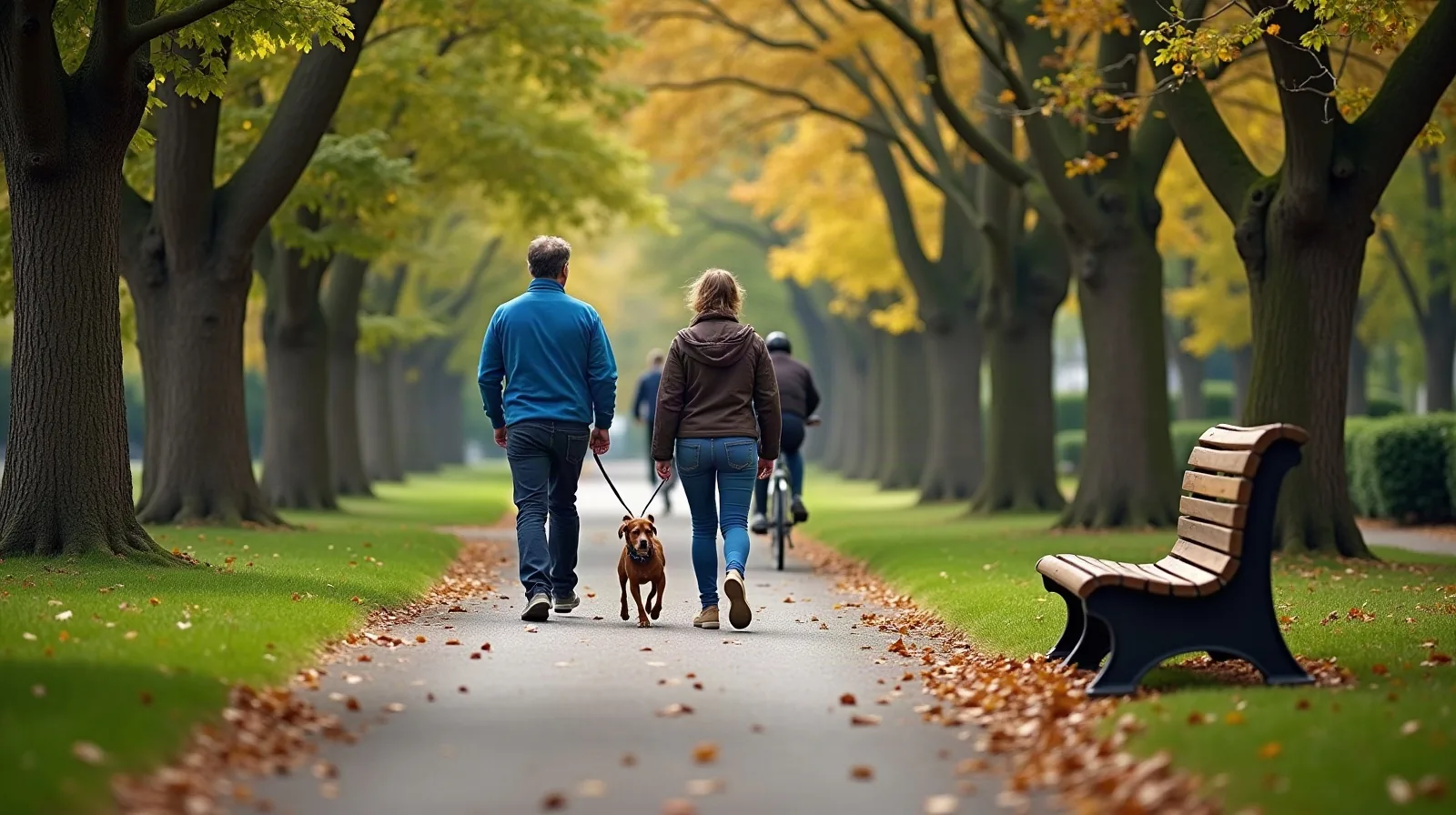

Walking is the cheapest and often the best way to get to know a city. It slows everything down enough to notice the corner bakery, the side street, the way a neighborhood changes block by block. It is also how many travelers end a day with sore feet, a dead phone and the feeling they saw less than they hoped. The difference is rarely stamina. It is the plan, and a good one is lighter than most people expect.
Pick an Anchor, Then Cluster the Stops
Start the day with one anchor: a single place worth building the hours around, such as a market, a museum, a hilltop or a historic square. Then look at a map and add only the stops that sit close to it. Distances look short on a screen and feel much longer on pavement, so a rough rule is to count about twenty minutes for each mile of steady walking and add time for every stop along the way.
Grouping stops by neighborhood beats ticking items off a master list. A route that zigzags across town burns energy on crossing it, while a cluster lets one stroll hold a coffee stop, a viewpoint and a quiet park without any backtracking. Leaving one or two gaps unplanned is deliberate. Some of the best discoveries happen in the spaces between the stops.
Build the Day in Three Loops
A tidy way to avoid retracing steps is to think in loops rather than a line. Walk a morning loop out from the anchor, return to the middle of the day near a good place to eat, then take a shorter afternoon loop that finishes close to where the next day begins or near transit home. Mornings are usually cooler and less crowded, which makes them the best time for the longest stretch or the most popular sight.
The middle of the loop is the part most people skip. Sitting down for a real meal, not a snack eaten on the move, resets energy and gives feet an hour of rest. Planning that break in advance keeps the afternoon from collapsing into a slog back to the hotel.
Make Your Feet and Phone Last
Footwear matters more than any sight on the list. Shoes that are already broken in beat a new pair every time, and socks that wick moisture help prevent blisters, which tend to form on the first long day. A small kit goes a long way:
- Water — a refillable bottle, topped up whenever a fountain or café allows.
- Power — a small battery pack, since maps and photos drain a phone quickly.
- Offline maps — downloaded the night before, so a weak signal never leaves the route in doubt.
- Layers — a light jacket or scarf for shade, wind and air-conditioned interiors.
- Foot care — a couple of bandages and a snack for the point where energy dips.
Pace is part of the kit. Public transit is a tool, not a failure, and hopping a bus or tram for one stretch can save the legs for the part of the day worth walking. Anyone with a health condition, an injury or a mobility concern is better off checking with a doctor or a qualified professional about how much walking suits them before a trip built around it.
Keep a Little Slack in the Schedule
The best city days leave room. Open-air spots close for weather, lines run longer than expected and a good side street deserves an extra ten minutes. A plan with one must-see per half day and a short list of maybes survives all of that gracefully. If the end of the afternoon arrives with energy to spare, the maybes are right there. If not, nothing important was lost.