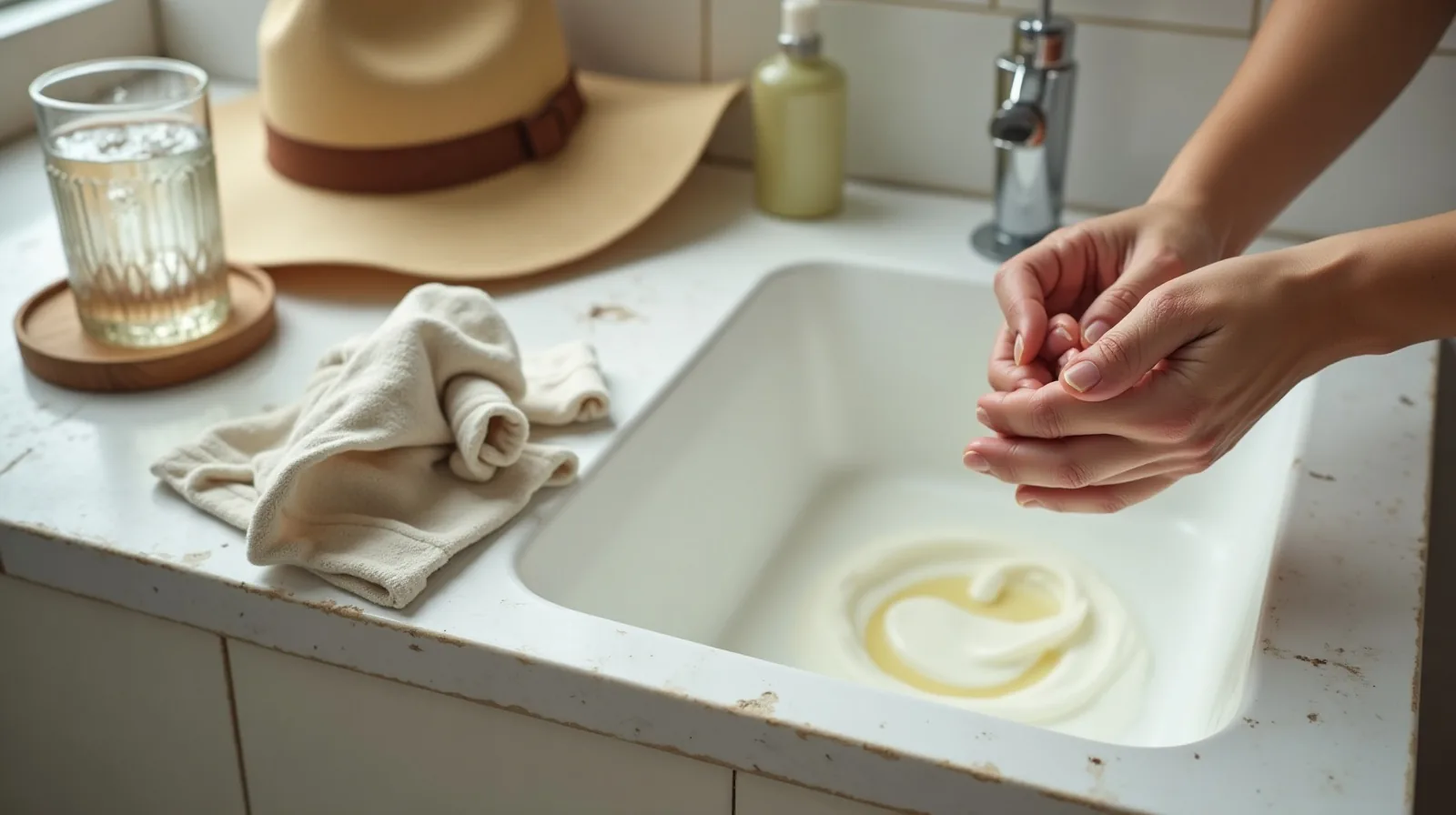

Every year the same thing happens: the heating comes on, the air outside turns cold, and within a couple of weeks hands feel tight, shins look flaky and lips start to crack. Dry winter skin is common and usually harmless, but it can be itchy and uncomfortable, and cracked knuckles can sting for days. The good news is that most of the fix comes down to a handful of everyday habits, and none of them require an elaborate routine or expensive products.
Why Winter Air Pulls Moisture From Skin
The outer layer of skin works like a thin wall: flat cells act as bricks, and natural oils and fats act as the mortar that holds water in. Cold air holds very little moisture, and indoor heating dries it further, so water evaporates from that outer layer faster than usual. Wind, hot showers and frequent hand washing strip away some of the oily mortar at the same time. The result is a barrier that leaks water more easily, which shows up as tightness, rough patches, fine flaking and, on hands, small cracks around the knuckles and fingertips.
That is why the most useful habits do two things at once: they avoid stripping the barrier, and they help it hold on to the water it still has.
Rethink the Shower and the Sink
A long, steaming shower feels wonderful on a cold morning, but hot water dissolves skin oils quickly. Dermatology guidance generally favors shorter showers in warm rather than hot water, with a gentle, fragrance-free cleanser used mainly where it is needed instead of lathered over the whole body. Afterward, pat the skin with a towel rather than rubbing it, leaving it slightly damp.
Timing matters here. Applying moisturizer within a few minutes of drying off traps the water still sitting in the skin, which is why a pump bottle kept right next to the shower and the sink tends to work better than one stored in a drawer. The same rule applies to hand washing: wash thoroughly, since clean hands still matter in cold and flu season, then pat dry and moisturize while skin is a little damp.
Choose Moisturizer by Texture, Not Hype
Labels make big promises, but the texture tells you most of what you need to know. Thin lotions spread easily and suit mild dryness; thicker creams and ointments sit on the skin longer and generally do more for rough hands, heels and elbows. Ingredients often mentioned in dermatology guidance include glycerin and hyaluronic acid, which draw water in, and petrolatum, dimethicone, shea butter or ceramides, which help seal it. A few habits help the product do its job:
- Keep a bottle at every sink so moisturizing happens right after washing, not when you remember
- Use a thicker layer at night on hands and feet, with cotton gloves or socks over it if that is comfortable
- Run a humidifier in the bedroom during heating season, and clean it as the instructions direct
- Wear gloves outdoors and for dishwashing, and swap wet gloves for dry ones quickly
- Pick fragrance-free products and laundry detergent, which are less likely to irritate already-dry skin
Lips need their own attention: a plain balm applied often, and resisting the urge to lick them, which dries them further as the saliva evaporates.
When Dry Skin Needs a Professional Look
Most winter dryness eases within a week or two of better habits. It is worth checking with your doctor or a dermatologist if itching keeps you up at night, skin cracks deeply or bleeds, patches turn red, swollen, oozing or crusted, or dryness does not improve despite steady care. Those can point to eczema, an infection or another condition that responds better to targeted treatment, and a qualified professional can suggest what suits your skin before you change your routine.