Nobody needs convincing that water matters — the advice aisle already handled that. And yet the pattern repeats everywhere: a resolution, a fancy bottle, three good days, and then a return to running on coffee until dinner. The failure isn’t discipline. It’s design. Drinking water is the kind of low-urgency task your brain happily postpones forever, which means the fix isn’t trying harder — it’s building a day where water shows up on its own.
Why “Just Drink More” Fails
Advice that depends on remembering is advice that loses to a busy afternoon. Thirst is a quiet signal, easy to talk over with deadlines and errands, and by the time it’s loud you’re already behind. Reminder apps work for about a week — then the notification joins all the others you swipe away without reading. What actually changes behavior is the same thing that changes it everywhere else in the house: making the good option the visible, zero-effort option.
Make Water the Easy Choice
- Fill once, in the morning. A big jug or bottle filled with breakfast turns “drink enough today” into “finish this” — visible progress, no counting.
- Put a glass at every anchor. Desk, nightstand, kitchen counter, car cup holder. You drink what’s within arm’s reach, and you don’t what isn’t.
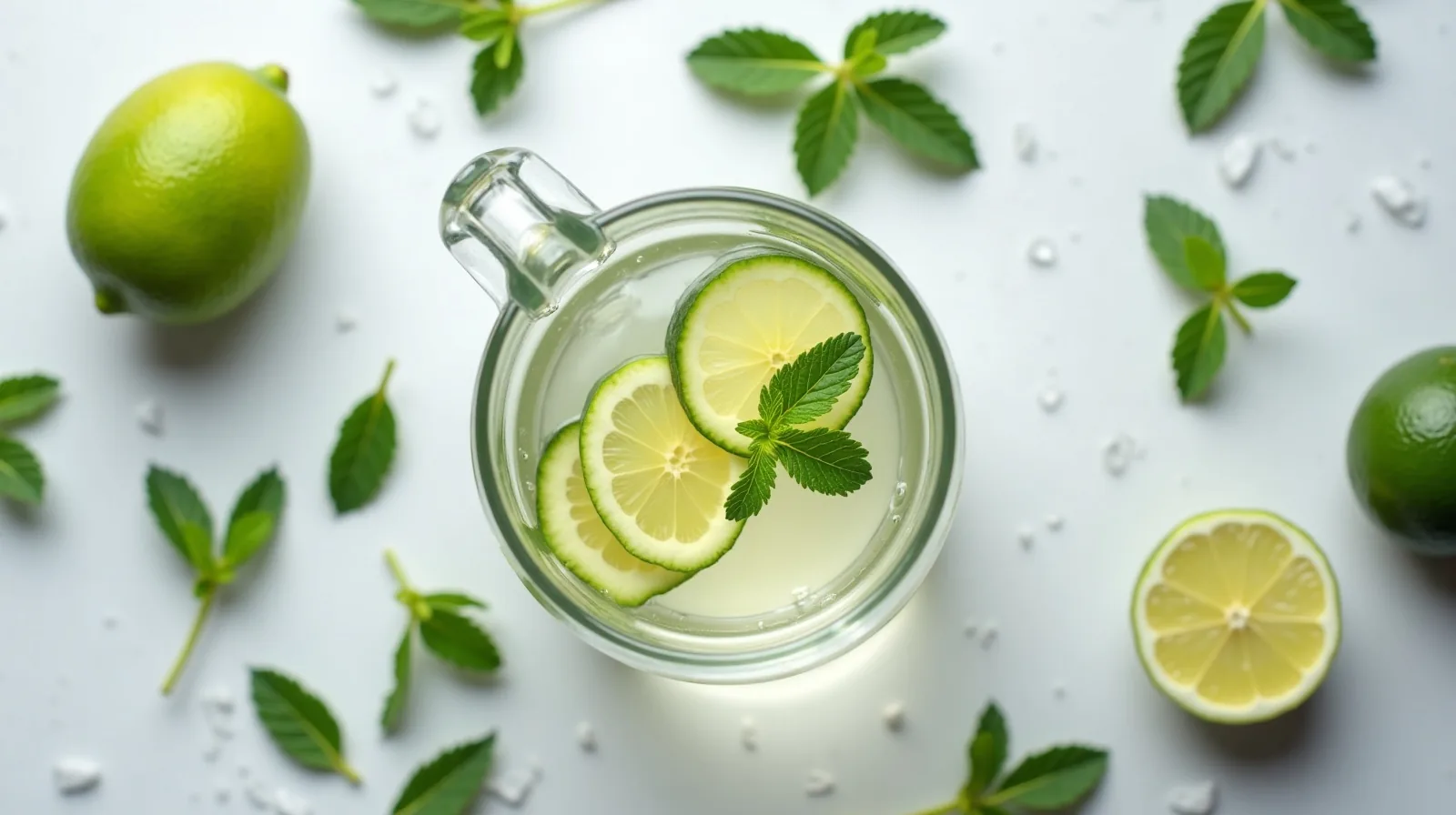
- Let it taste like something. Lemon, cucumber, mint, a splash of juice, sparkling if that’s your thing. “Plain water only” is a rule nobody assigned you.
- Piggyback on habits you already have. A glass before every coffee, every meal, every time you stand up for a break. Existing routines are free reminders.
- Serve it how you like it. Ice-cold, room temperature, in the nice glass — friction hides in preferences we ignore.
How Much Is Enough, Really?
The famous eight-glasses rule is more slogan than science — real needs vary with body size, activity, climate, and what you eat, since food (fruit, vegetables, soup, even coffee and tea) contributes real fluid too. General guidance for many adults lands somewhere around six to eight cups of fluids a day, but the everyday signals beat any number: drink when you’re thirsty, drink a bit more around exercise and heat, and glance at the low-tech gauge — pale-straw urine generally means you’re fine; consistently dark means drink up. Chasing crystal-clear all day isn’t a badge; it usually just means extra bathroom trips.
When It’s a Question for Your Doctor
For most healthy adults, a little more water is a safe, boring win. But fluid targets stop being casual when health conditions enter the picture: kidney or heart conditions, certain medications, and pregnancy can all change how much — or how little — is right, and endurance athletes have their own math where more isn’t automatically better. This article is general information, not medical advice: if any of those apply, or you notice unusual thirst that won’t quit, your doctor is the right person to set the number.