Soup might be the most generous thing a home cook can make: the pot barely notices when you double it, and most soups honestly taste better after a rest. Which makes the freezer the best sous-chef you’re not using — every big pot can quietly bank two or three future dinners that reheat faster than delivery arrives. But anyone who has thawed a container of grainy, broken potato soup knows the freezer is not neutral territory. Some soups come back gorgeous. Others come back as evidence. The difference is predictable, and it starts with what’s in the pot.
What Makes a Soup Freezer-Proof
Three ingredients cause nearly all the heartbreak. Dairy tends to split and turn grainy when frozen and reheated. Potatoes go mealy and waterlogged as ice crystals wreck their texture. And pasta or rice keeps drinking broth in the freezer, coming back bloated and mushy in a soup gone strangely dry. Meanwhile, brothy soups, bean soups, tomato bases, and sturdy vegetables like carrots, celery, squash, and greens shrug off freezing completely. The move isn’t avoiding the fragile ingredients forever — it’s freezing the base and adding the delicate things fresh when you reheat. Cream swirled in at the end, noodles boiled on soup night: five extra minutes that rescue the whole texture.
The Soups Worth Doubling Every Time
- Chili and bean stews. The champions. Beans and a tomato base are completely unbothered by freezing, and the flavors genuinely deepen — many pots taste better the second time.
- Lentil soup. Freezes flawlessly and thickens as it sits; loosen with a splash of water and brighten with a squeeze of lemon when reheating.
- Minestrone, minus the pasta. Freeze the vegetable-and-bean base on its own, then simmer a handful of small pasta straight in the pot the night you serve it.
- Chicken and vegetable. Shredded chicken holds up remarkably well in broth; hold the noodles or rice and add them at reheat time.
- Silky purees. Butternut squash, tomato, carrot-ginger — anything blended smooth freezes like a dream. Freeze it dairy-free and swirl the cream in after reheating, never before.
Cool It Fast, Freeze It Flat
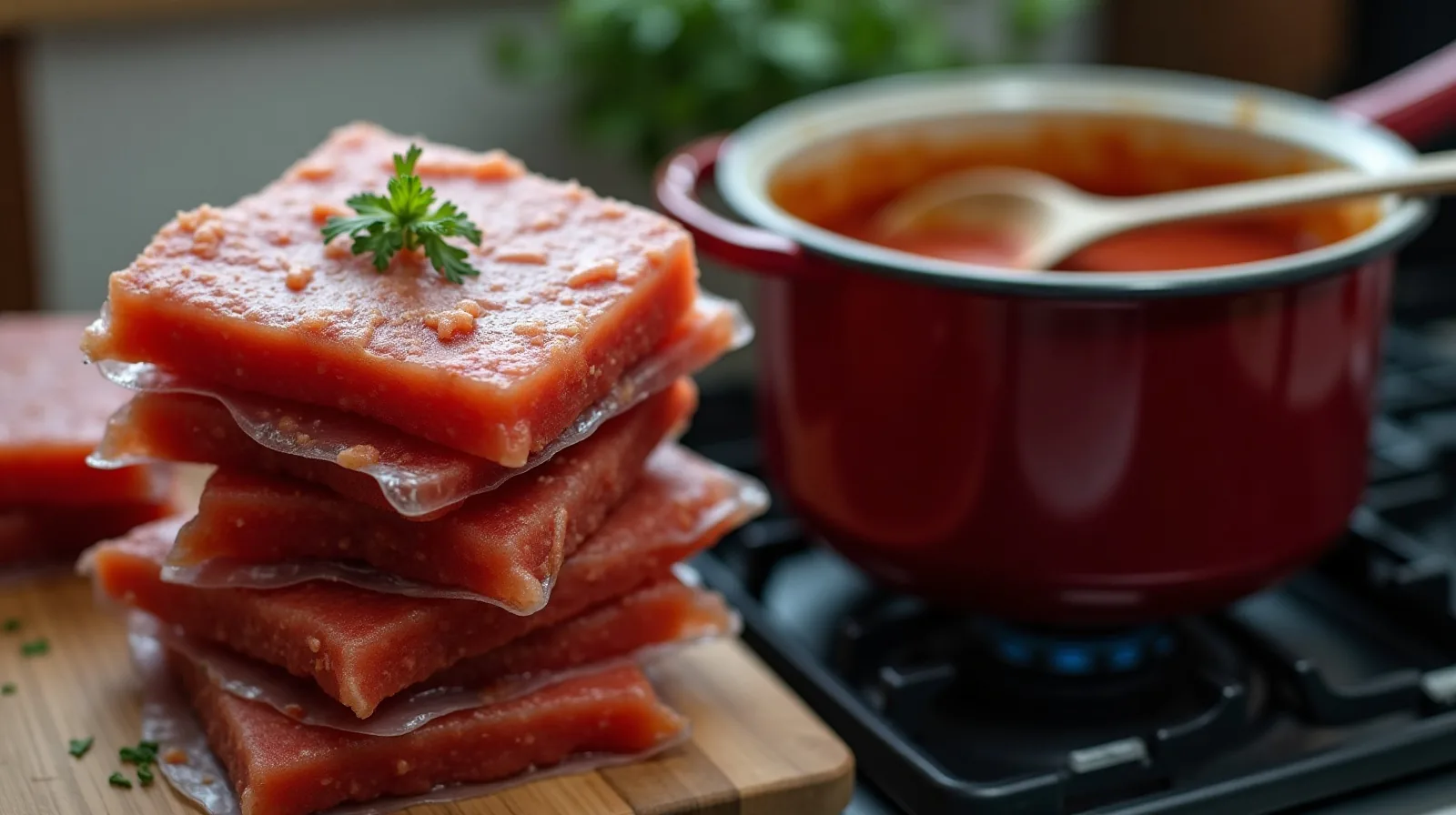
Here’s the food-safety part worth taking seriously: a big pot of hot soup left to cool on the stove spends hours drifting through the temperature range where bacteria multiply fastest — and “it’ll be fine overnight” is exactly how it goes wrong. Get soup out of that zone quickly: portion it into shallow containers so the heat can escape, or set the pot in a sink of ice water and stir, and aim to have it refrigerated within about two hours of cooking. Once chilled, freeze it flat — freezer bags laid on a sheet pan, or slim containers — and it will freeze faster, thaw faster, and stack like books. Label everything with the name and date; most soups are at their best within about three months.
Bring It Back to Life
Thaw overnight in the fridge, or run the sealed bag under warm water and slide the frozen block straight into a pot with a splash of water. Reheat to a real simmer — steaming hot all the way through, not just warm at the edges. Then spend one minute reviving it: frozen soup tends to dull slightly, and a squeeze of lemon or a dash of vinegar, a few grinds of pepper, and a shower of fresh herbs bring the brightness right back. Cook the pasta or rice fresh, swirl in any cream at the very end, and nobody at the table will know dinner was made a month ago.