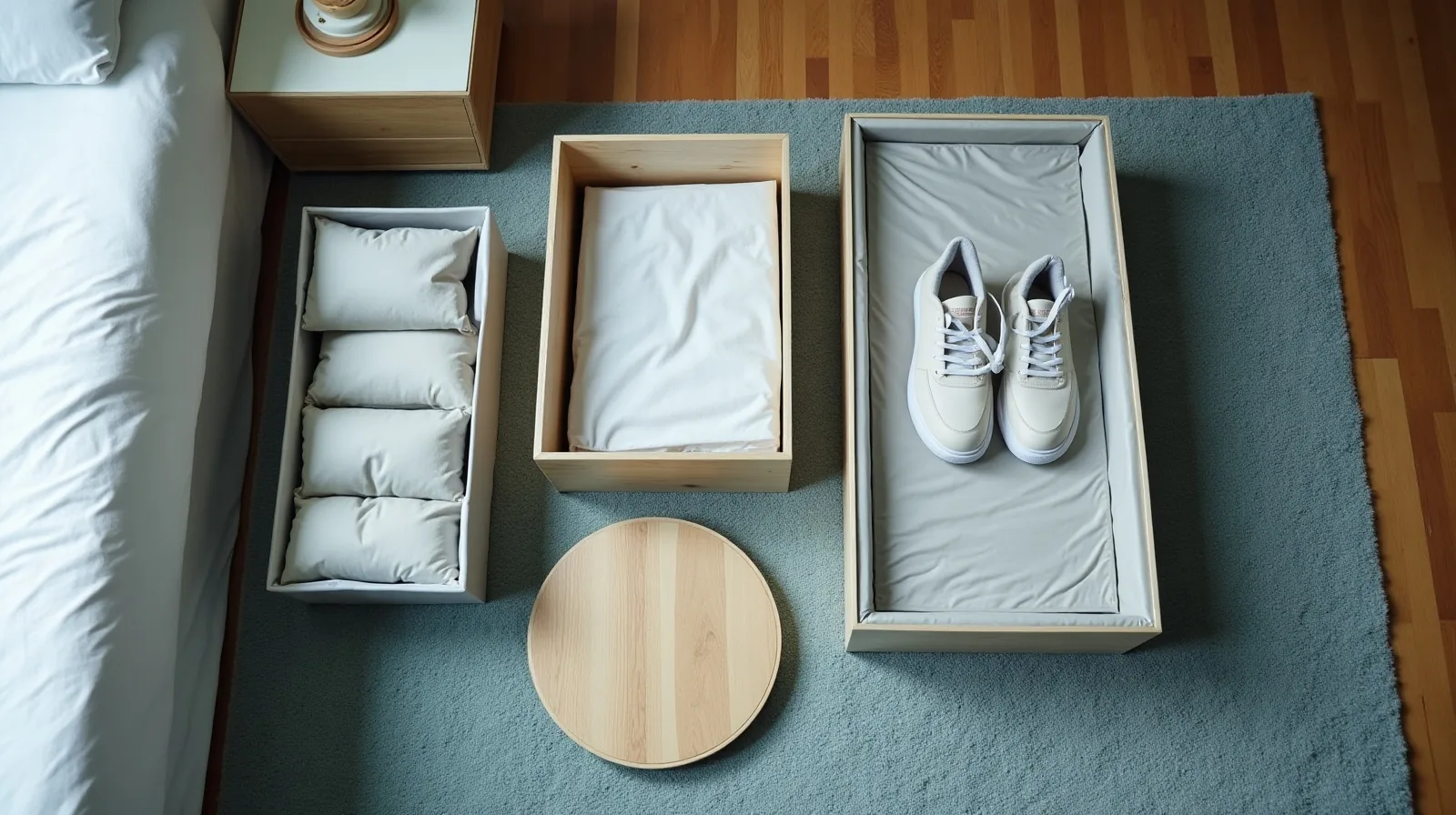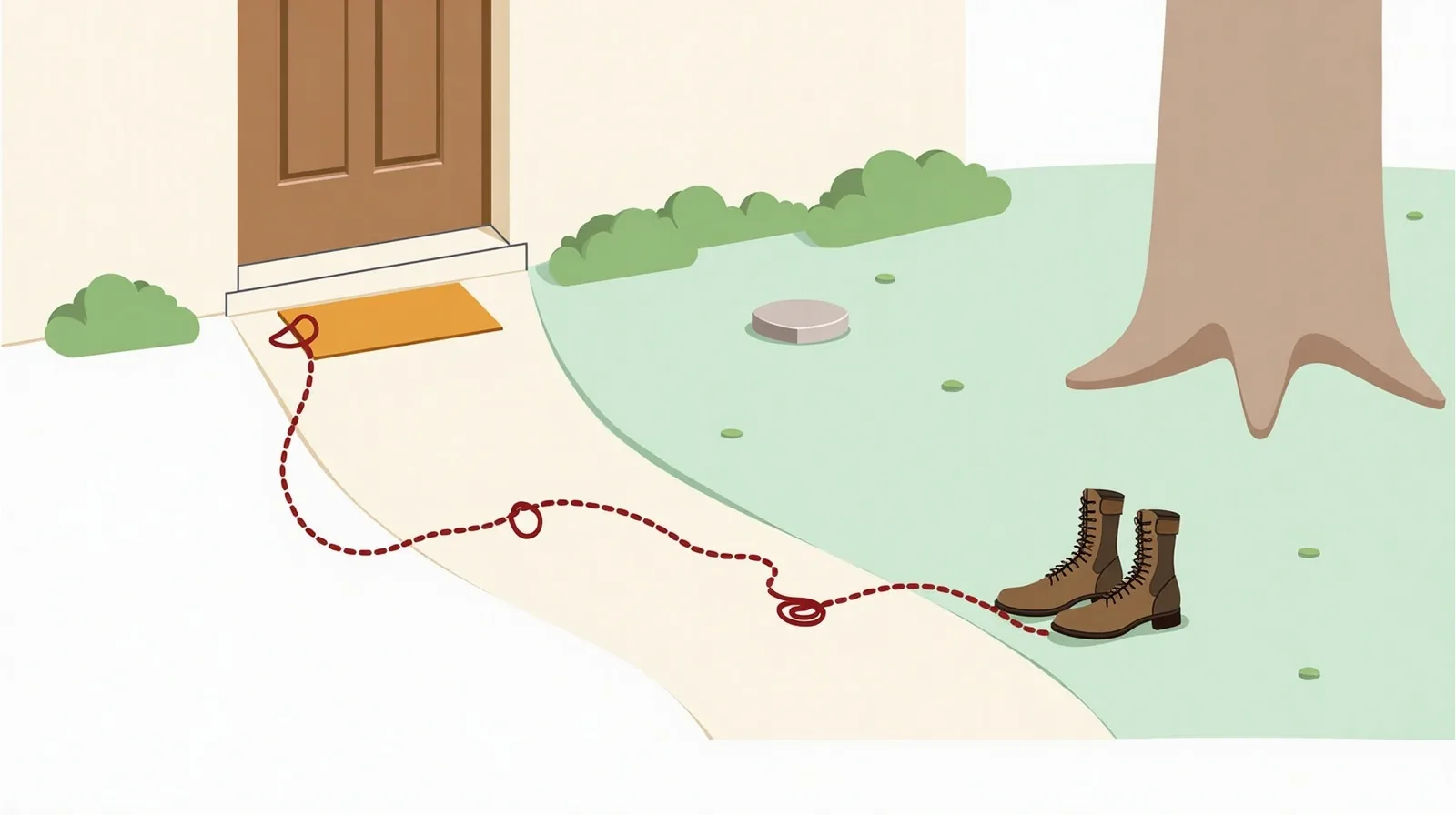

A chaotic morning looks like a time problem — not enough minutes between the alarm and the door. It’s usually a placement problem instead. Somewhere along the way, a pile of small jobs got scheduled into the worst hour of the day: finding clothes, assembling lunches, hunting keys, signing forms, packing bags, deciding breakfast, all performed groggy and against a deadline. The fix most people reach for is waking earlier, which mostly gives the chaos more room. The better fix moves the jobs. Almost none of them actually require a morning — they require ten calm minutes, and the night before has plenty.
Move the Work, Not the Alarm
Walk back through your last rushed morning and sort every task into two piles: things that genuinely must happen in the morning — waking up, eating, brushing teeth, leaving — and things that merely tend to. The second pile is almost everything, and every item in it is portable. Done at 9 p.m., with no clock pressure and no negotiating with half-asleep humans, the same tasks take a fraction of the time and generate none of the friction. The rest of this piece is that one principle applied three ways: stage it, batch it, or duplicate it.
Stage Tonight What You’ll Grab Tomorrow
Staging means tomorrow-you only grabs; tonight-you does all the finding and deciding:
- Hang tomorrow on a hook. The full outfit, down to socks, on one hook or chair per person — no dresser archaeology at 6:45.
- Pack every bag to done. Work bag, school bags, gym bag: zipped, checked, and parked at the door, with the forms signed and already inside.
- Set the breakfast scene. Load the coffee maker, set out the bowls and the non-perishables, park the blender parts together. Morning assembly beats morning decisions.
- Stage the car, not just the hallway. Anything bulky — sports gear, returns, the donation box — goes in the trunk tonight, not through the door mid-scramble.
- Give leaving a launch pad. One tray or shelf by the door for keys, wallet, badge, and sunglasses. Everything lands there at night; everything launches from there at dawn.
Batch Weekly What You Repeat Daily
The nightly setup gets even shorter when whole categories are handled once a week instead of seven separate times. A row of labeled hooks holding five staged outfits turns fifteen minutes on Sunday into a week of zero clothing decisions; a batch of grab-and-go breakfasts and prepped lunch components does the same for the kitchen. Fill the gas tank during a weekend errand instead of discovering it empty on a Tuesday. Batching feels like more work because it happens all at once — but five of anything, done together, takes far less than five separate frazzled versions of it.
Duplicates End the Migration Problem
Half of morning chaos is hunting things that migrated overnight: the charger that left the bag, the umbrella in the other coat, the hairbrush that wandered upstairs. Cheap duplicates end the hunt — a second phone charger that lives in the work bag permanently, a spare toiletry kit zipped into the gym bag, an extra umbrella that never leaves the car, a backup house key with a trusted neighbor for the truly rough mornings. The rule that keeps it all working: bag copies never come out of the bag. The moment a duplicate migrates, it’s just one more thing to find.