Backyard play usually gets pitched as energy management: send them out, let them run, hope they come back tired. That works, but it misses the other thing a yard is good for. Small children are natural observers, and the same patch of grass that hosts a game of tag will hold still for an hour of looking — at ants, at the underside of a leaf, at clouds that keep turning into other things. Observation play asks for less space, less refereeing, and almost no equipment.
Why Slow Looking Holds Their Attention
Adults tend to assume children need novelty to stay interested. What they usually need is permission to go deep on something ordinary. A single log turned over delivers more genuine surprise than a new toy, because it is real, it belongs to them to investigate, and nobody told them in advance what was going to be under it.
Framing helps more than equipment. Give the activity a question rather than an instruction. “How many different kinds live under here?” lands better than “go look at the bugs,” and the play tends to run itself. The pace also suits mixed ages. A toddler can hold a leaf while a seven-year-old sorts the pile by shape, and neither one is stuck waiting for a turn.
Bug Hunts, Rubbings, and Prints
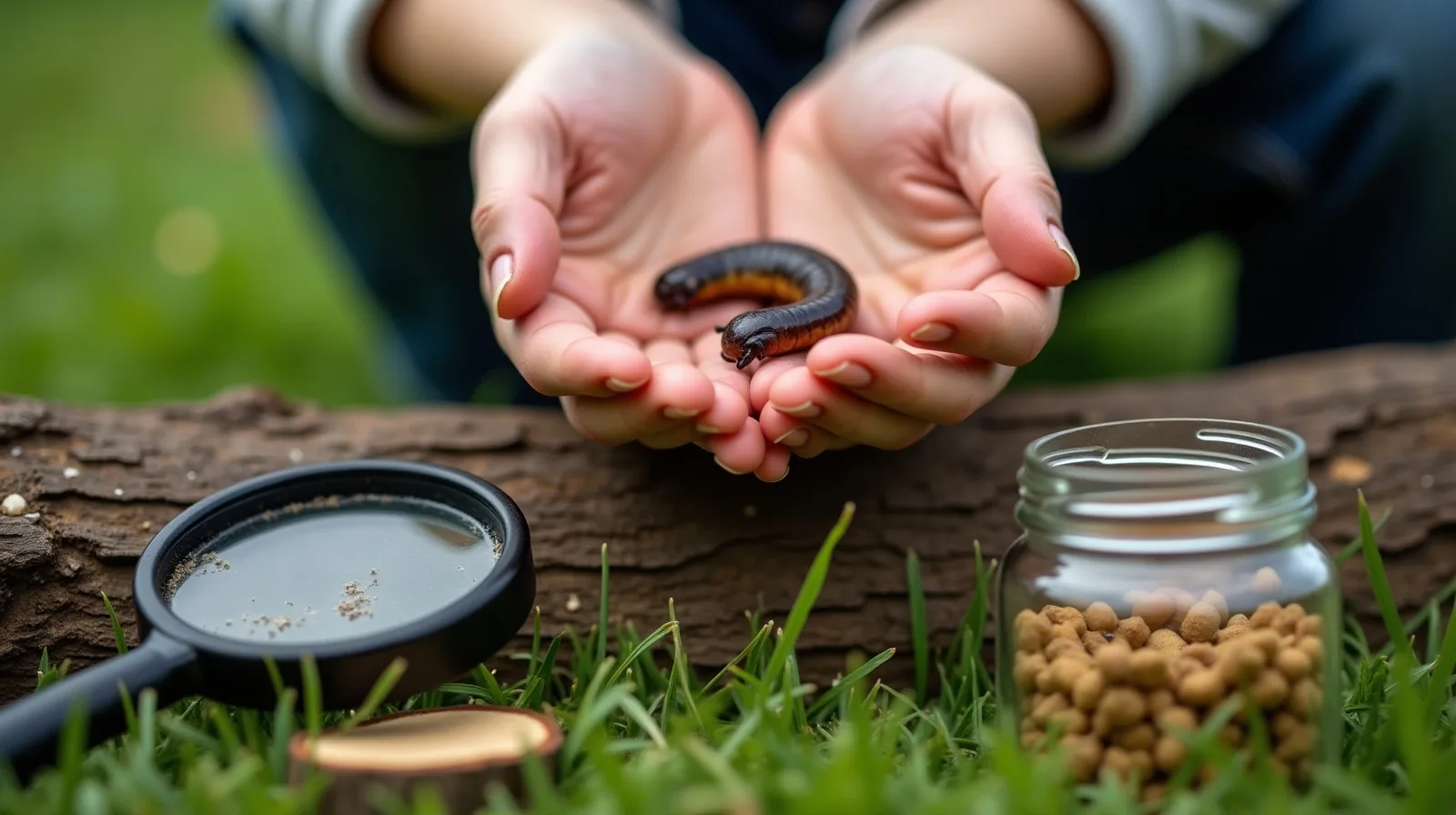
A bug hunt needs a clear jar with air holes, a spoon for gentle lifting, and one firm rule: everything goes back exactly where it was found. The best hunting is under things — logs, stones, upturned pots, the damp lip of a planter. The game improves when the goal is counting kinds rather than collecting specimens. Keep a tally on a scrap of paper and the yard turns into a survey site that can be repeated in a different season.
Rubbings turn texture into something a child can keep. Lay thin paper over a leaf with the veins facing up and rub the side of a peeled crayon across it until the pattern surfaces. Bark works the same way with the paper taped to the trunk. Line a dozen rubbings up on the floor afterward and the differences between species become obvious in a way no amount of naming would achieve.
Mud, Seeds, and Sky
A mud kitchen is exactly what it sounds like: a low surface, a chipped pot, a wooden spoon, a bowl of water, and access to dirt. What makes it more than mess is the pretending. Soups get named, portions get served, recipes get argued over. It also quietly teaches volume, texture, and the difference between mixing and stirring, none of which needs to be pointed out.
Planting works best when the payoff is fast. Radishes and beans push up within days, which suits attention spans far better than a slow-growing flower does. Give each child one labeled pot and let them make the decisions about water, including the occasional drowning; a dead seedling teaches more about roots than a lecture would.
Cloud watching costs nothing and is the easiest activity to reach for on a day when nobody has the energy for a project. Lie on a blanket, take turns naming shapes, then look for the flat-bottomed piles that mean a settled afternoon versus the thin streaks that ride high and fast.
The Small Kit That Makes It Easy
- A clear jar and a soft brush. The brush moves small creatures without pinching them, and the jar makes close looking possible before the release.
- Peeled crayons and cheap paper. Wax crayons with the wrappers removed are the only reliable tool for rubbings, and printer paper is thin enough to work.
- A retired pot, pan, and spoon. Anything already headed for the donation box becomes mud kitchen equipment with no guilt attached.
- Fast seeds and a shallow tray. Radish, bean, or grass seed, plus a tray that catches the inevitable overwatering.
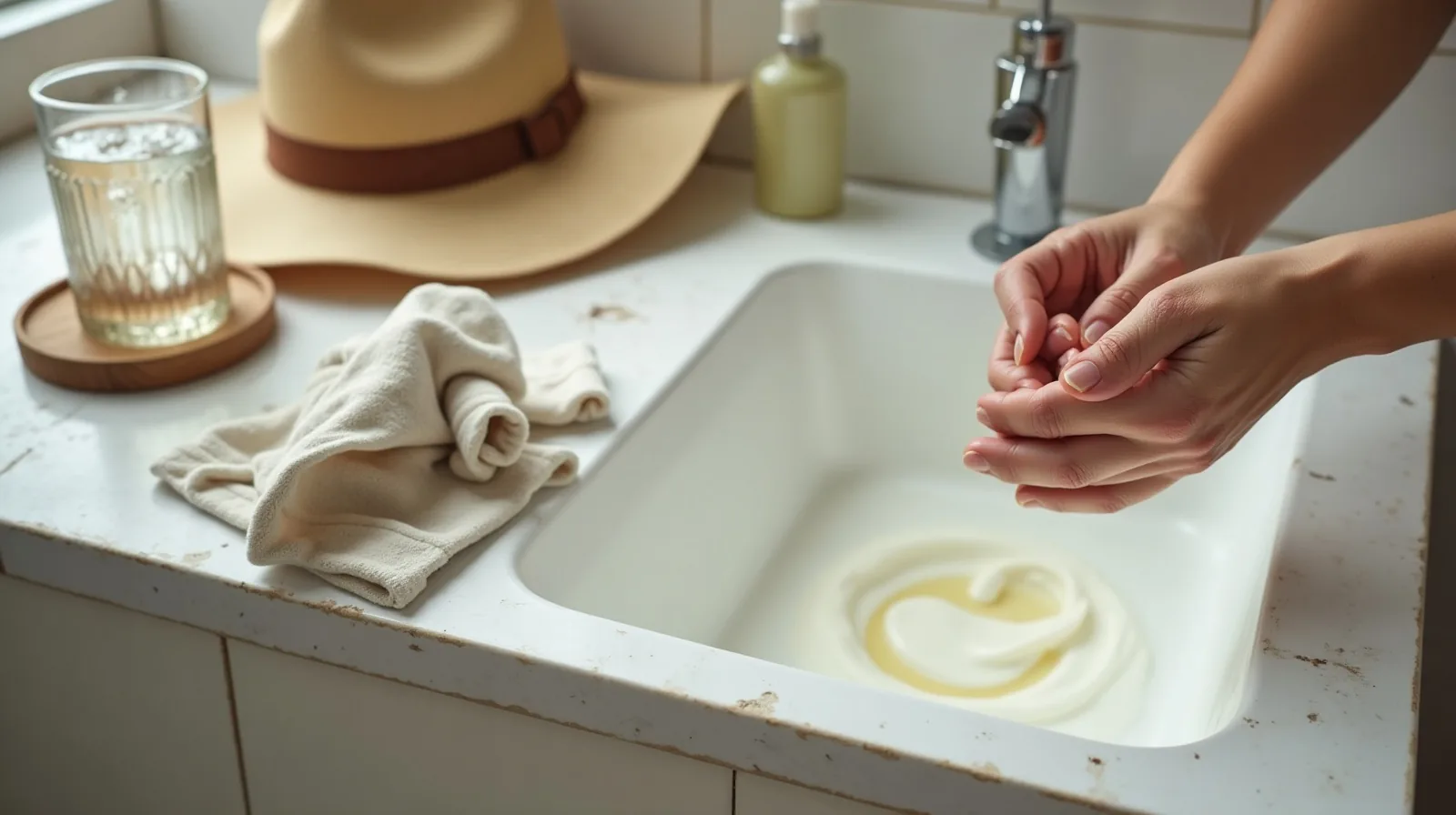
- An old towel by the door. The single item that determines whether muddy play is welcome again next week.