“Anti-inflammatory” has become one of those labels stamped on everything from teas to face creams, which makes it easy to dismiss the whole idea as marketing. Underneath the noise, though, sits a genuinely useful concept. Chronic low-grade inflammation — the slow-burn kind, not the redness around a cut — shows up in research again and again alongside conditions like heart disease and type 2 diabetes. And while no food is a medicine, the way you eat over months and years is one of the levers generally associated with keeping that background hum lower. The best part: the foods involved are ordinary groceries, not exotic powders.
What Inflammation Is (and What Food Can’t Do)
Acute inflammation is your immune system doing its job — a sprained ankle swells, heals, and the response switches off. The concern is the version that never quite switches off: a low, persistent simmer linked to stress, poor sleep, smoking, inactivity, and diet quality. Food’s role here is real but unglamorous. No single meal “fights” anything, and no ingredient cures a disease. What nutrition research generally shows is quieter: people whose overall eating patterns lean a certain way tend to have lower levels of inflammatory markers in their blood. That’s an association worth acting on — just not a promise to bank on.
The Foods That Keep Showing Up
Across studies of eating patterns associated with lower inflammation, the same grocery list keeps appearing:
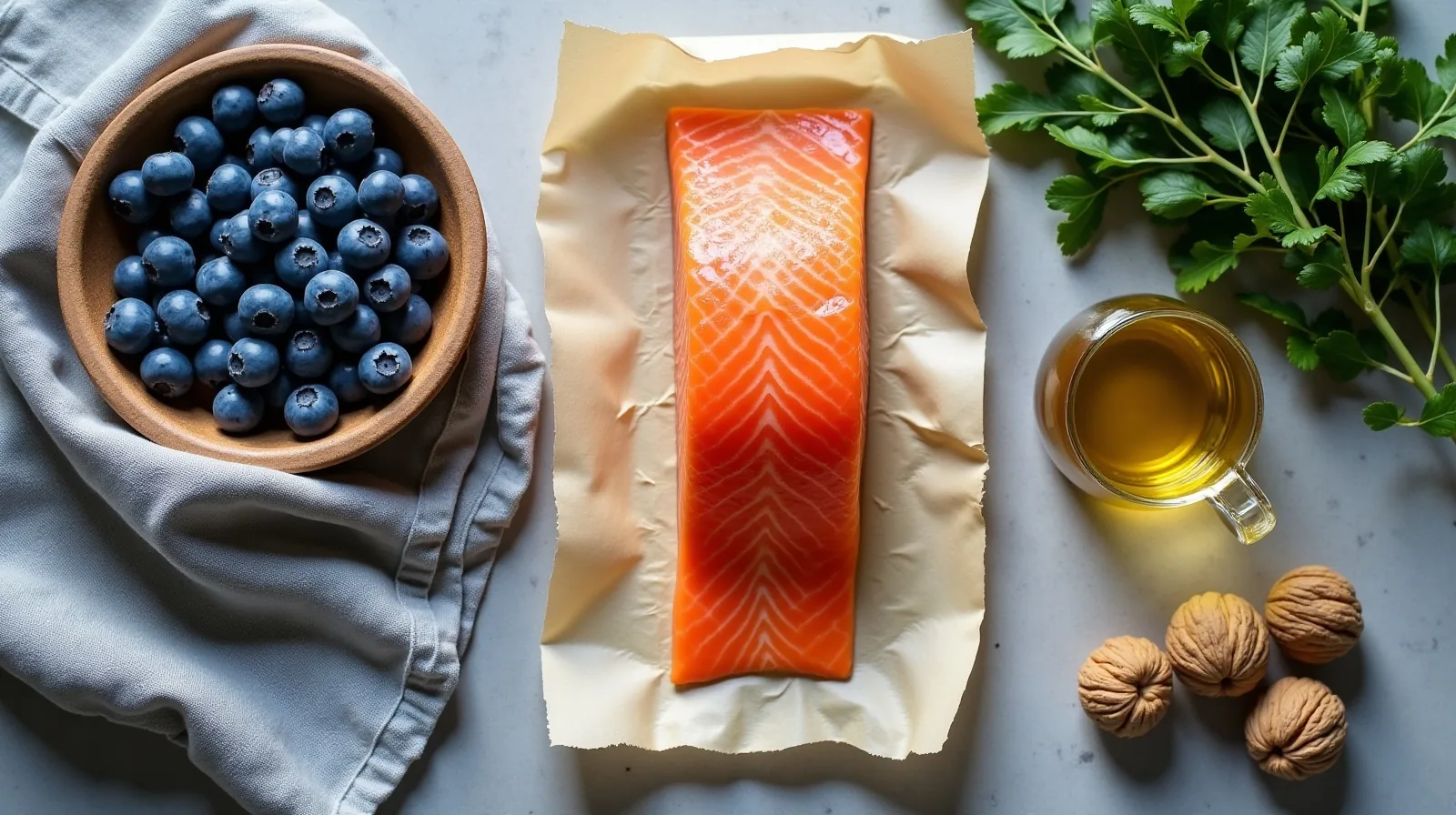
- Fatty fish. Salmon, sardines, and mackerel carry omega-3 fats, the nutrient most consistently tied to a calmer inflammatory profile. Once or twice a week is the usual shape of the guidance.
- Berries. Blueberries, strawberries, and their cousins are dense in polyphenols — the plant compounds studied for exactly this. Frozen count just as much as fresh, and cost less.
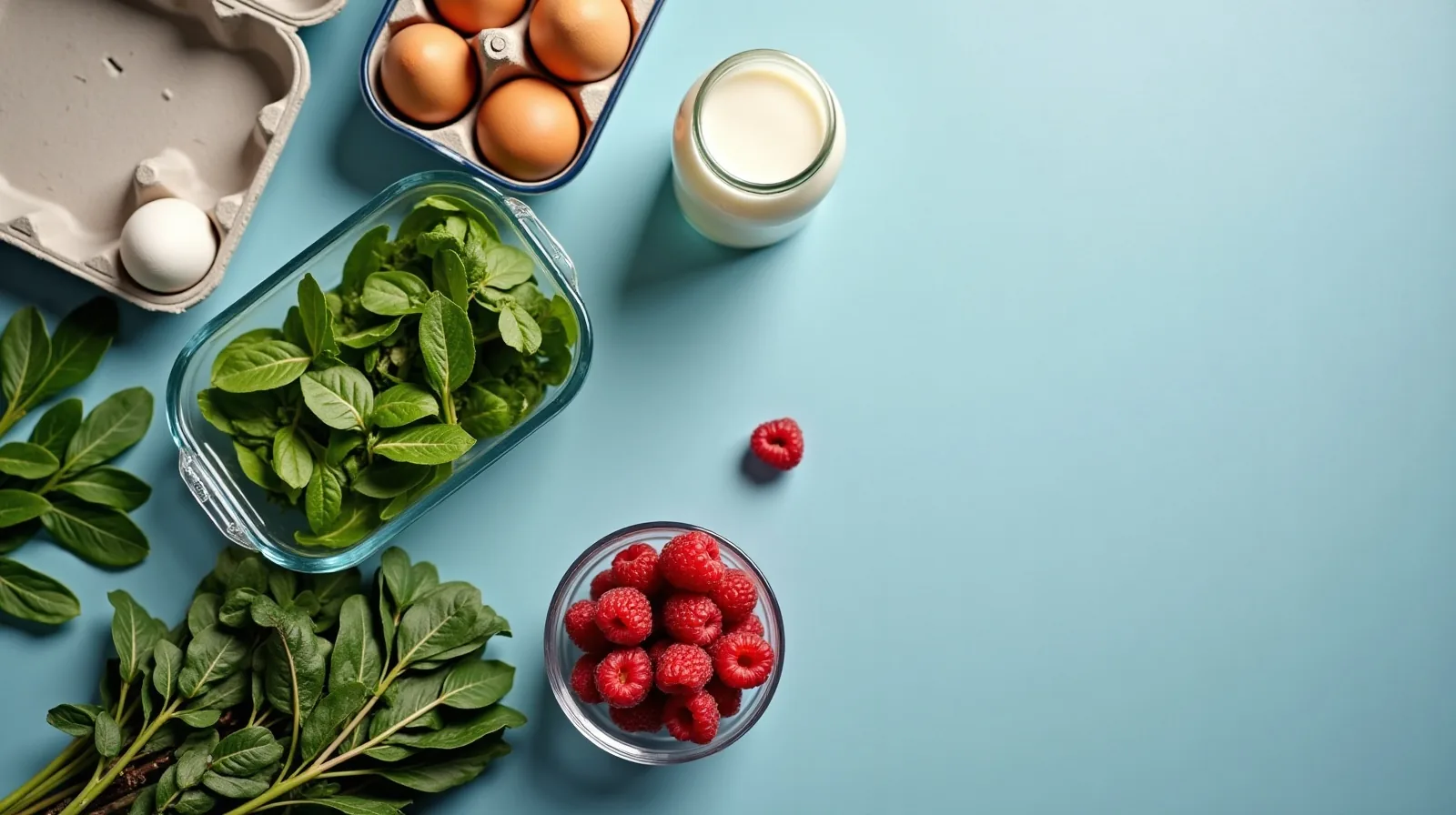
- Leafy greens. Spinach, kale, and chard deliver fiber, folate, and carotenoids with essentially no downside — the easiest slot to fill every day.
- Extra-virgin olive oil. The backbone fat of Mediterranean-style eating and one of the most-studied ingredients in this entire field.
- Nuts. A small handful of walnuts or almonds most days shows up in pattern after pattern.
- Beans and whole grains. Their fiber feeds the gut bacteria increasingly linked to how the immune system behaves.
The Pattern Beats Any Superfood
Here’s the part the marketing skips: none of those foods does much as a garnish on an otherwise rough diet. The research is about patterns — whole ways of eating, like the much-studied Mediterranean style, where fish, produce, olive oil, beans, and nuts do most of the work meal after meal. The flip side matters too: patterns heavy in sugary drinks, refined carbohydrates, and heavily processed foods tend to associate with higher inflammatory markers. The practical move isn’t forbidding anything; it’s crowding. Add the good stuff often enough and it naturally displaces some of the rest. Think in weeks, not meals — one salmon dinner proves nothing, but a year of mostly-this-way eating is exactly what the studies measure.
Keep It Measured — and Loop In Your Doctor
A calmer-inflammation eating pattern is a reasonable, low-risk bet for most people, but it’s worth saying plainly: it is not a treatment. If you’re managing arthritis, an autoimmune condition, heart disease, or anything else with an inflammatory component, food supports care — it doesn’t replace it. And before any significant change to how you eat, especially if you take medications or have a diagnosed condition, run it past your doctor or a registered dietitian. The boring truth is also the reassuring one: the same plate that’s associated with lower inflammation is just… a good plate. There’s no downside to eating this way while the science keeps refining the details.