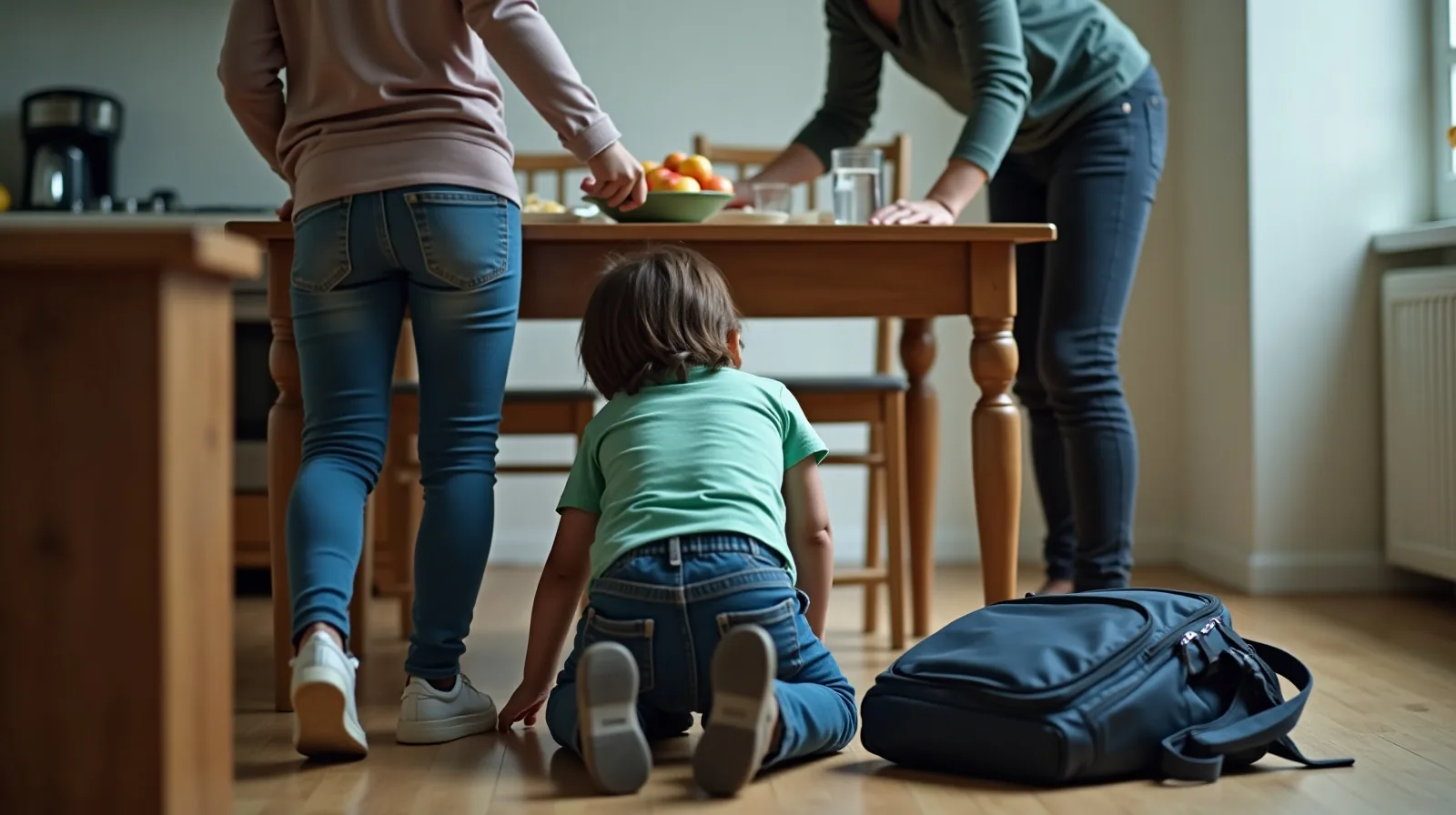
The teacher says the day went beautifully. Then the car door closes, or the front door does, and a perfectly fine child dissolves over a missing snack, a sibling breathing wrong, or nothing identifiable at all. It can feel like a verdict on the household, or on the school, and it is usually neither. The after-school collapse is one of the most predictable events of the elementary years, and it responds far better to a changed first twenty minutes than to a conversation about behavior.
Why the Best Days End the Worst
School asks a child to hold a great deal together at once: sit still, wait a turn, ignore the noise from the next table, follow instructions delivered to twenty-five people simultaneously, and manage friendships without much adult help. That effort is invisible from the outside and expensive on the inside. By the last bell the reserve is spent, and the first safe, familiar person becomes the place where the whole day comes out. A meltdown at pickup is often less a sign that something went wrong than a sign that something went right for six straight hours.
Hunger and thirst amplify all of it. Lunch may have been early, rushed, or mostly untouched, and a long afternoon of holding still runs on very little fuel.
Protect the First Twenty Minutes
Treat the stretch right after pickup as a decompression window rather than a catch-up window. Keep demands low: no chore list, no homework reminder, no schedule announcements, no phone handed over for photos of the day. Quiet here is not indifference. A child who is flooded cannot process questions, and answering them costs energy that simply is not there yet.
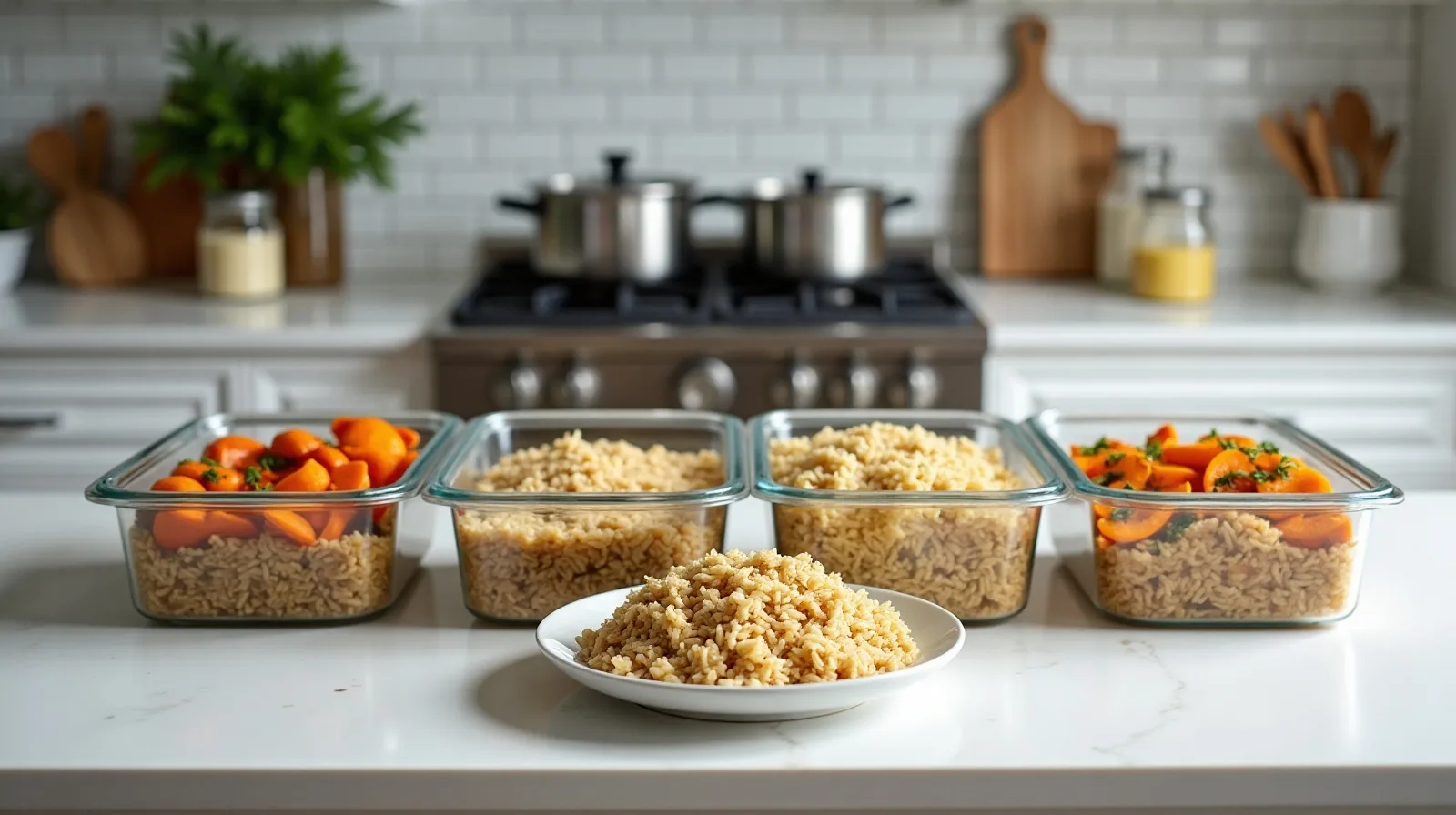
- Food before conversation. Have something ready before the door opens, ideally with some protein in it, so nobody has to negotiate while hungry.
- Lower the volume literally. Radio off in the car, television off at home. A loud environment keeps a spent nervous system switched on.
- Give the body something to do. A walk home the long way, a scooter loop, ten minutes in the yard. Movement drains the leftover charge faster than sitting does.
- Keep the landing spot identical. Same seat, same snack place, same order of events. Predictability removes one more thing to manage.
- Stay nearby without hovering. Being in the room, doing something ordinary, offers company that does not demand a performance.
Ask Later, and Ask Sideways
“How was your day?” arrives at the worst possible moment and asks for a summary of six hours from someone who has no processing power left. It usually earns a shrug, which then feels like a snub. Save it. Side-by-side moments pull far more out than face-to-face questions do: chopping vegetables together, the drive to practice, the few minutes after lights-out. Narrow questions work better than broad ones. Who did you sit with at lunch. What was the loudest part of the day. What made somebody laugh.
If a real problem surfaces later, it will surface then, in a calmer voice and with more detail than the parking lot would ever have produced.
When the Pattern Deserves a Closer Look
Most after-school unraveling is ordinary and eases as a school year settles, especially after a transition to a new building, a new teacher, or a longer day. Some of it is seasonal, arriving with dark afternoons and short weekends. Adjusting bedtime by twenty minutes fixes a surprising amount of it.
Still, patterns are worth watching. If the meltdowns escalate rather than settle, stretch across the entire evening every day, arrive with stomachaches, headaches, disrupted sleep, or a growing refusal to go at all, that combination is worth raising with the classroom teacher and with your pediatrician rather than waiting it out. Teachers often see the daytime half of the picture that never makes it home, and a doctor can rule out the physical explanations that look exactly like defiance from the outside.