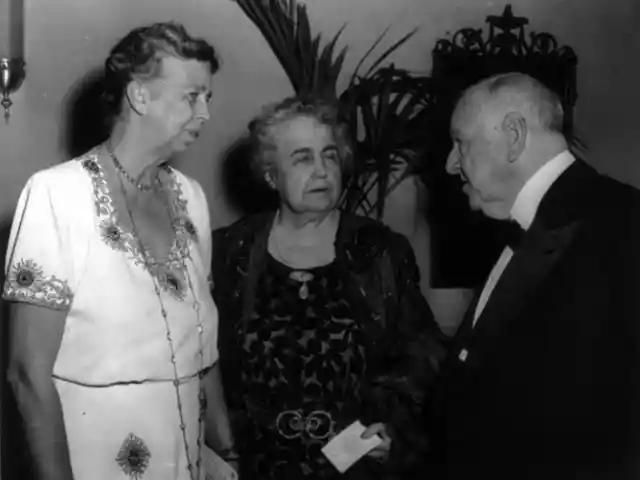
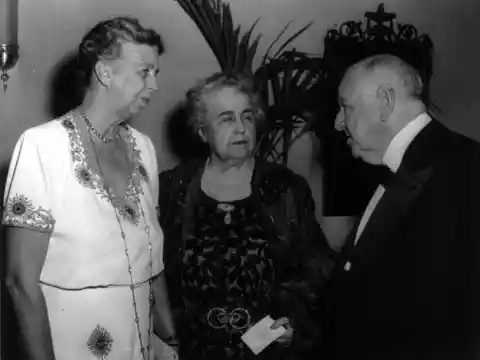
Eleanor Roosevelt
These political campaigners, fashion icons, and stay-at-home mothers have sealed their place in American history. But where do they rank in terms of their political prowess and public image as First Lady?
From Mary Todd Lincoln to Jill Biden, each First Lady has taken the position and distinguished themselves as a hostess and famous figure in their own right, expanding it to include broader political aspirations or taking a more traditional path.
A variety of factors were considered, including background, dedication to the country, ethics, leadership, stewardship at the White House, accomplishments, courage, public image, and value to the president. Here are 20 well-known First ladies ranked best to worst.
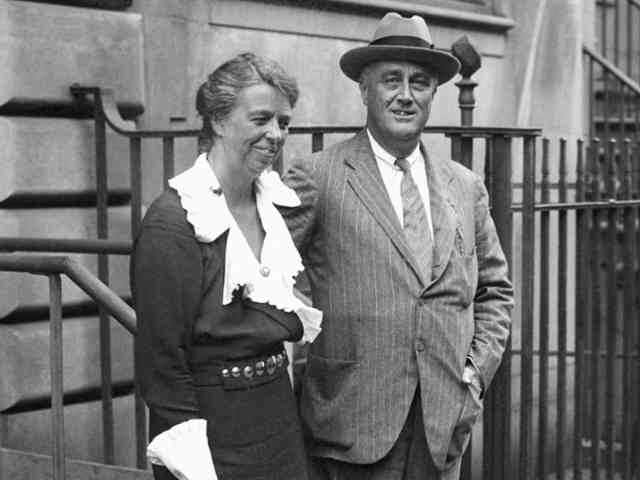
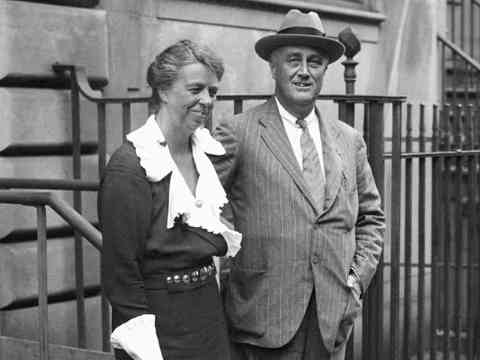
Eleanor Roosevelt may have “never wanted to be a president’s wife.” Still, her incredible activity has earned her the title of the most important first Lady in history. She grew up in a family that valued community involvement, explaining why she became such an outspoken campaigner. Before being engaged to Franklin Delano Roosevelt, she worked as a schoolteacher.
However, she was a frequent target of political opponents for her support of liberal causes, including civil rights, low-income housing, women’s equality, and youth unemployment. She didn’t shrink away from the spotlight like some of her counterparts.
She leveraged her position to organize weekly press briefings with female reporters. She also toured around the country, talked on the radio, and wrote for newspapers and publications.
Abigail Adams
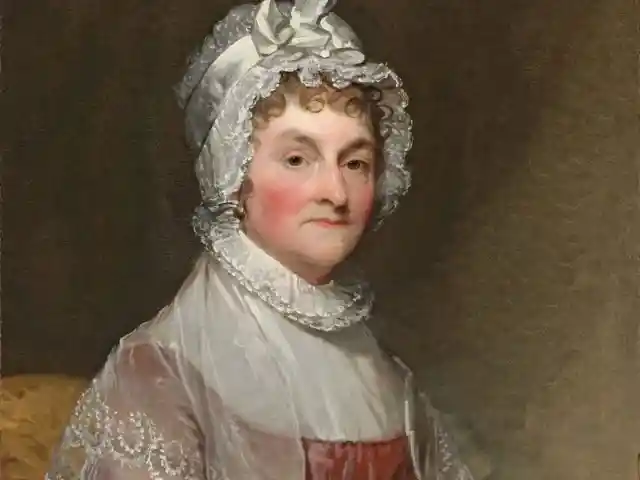
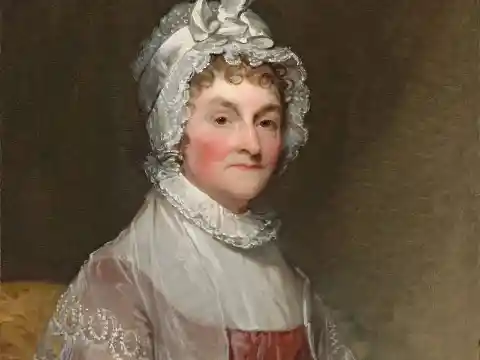
Abigail Adams was the wife and a mother of two presidents of the United States. As the First Lady married to John Adams, she advocated for women’s liberty and education. Abigail wrote to John when he drafted the Declaration of Independence, asking him to “consider the ladies.”
Abigail had a rigid routine as a First Lady, starting at five a.m. every day and participating in numerous political debates, which was unusual for a woman. She oversaw the family farm, supervised public events, and assisted in reviewing her husband’s speeches. She supported slavery abolition.
But she was not always popular among Americans. Rivals dubbed her “Mrs. President” because of her opinionated personality and power over her husband.
Jacqueline Kennedy Onassis
Jackie Kennedy was more than just a fashion icon and a tragic character for the American people to adore. Jackie Kennedy became the youngest First Lady in over 80 years when Jack Kennedy was elected president. As soon as she became First Lady, she upgraded and maintained the White House furnishings.
She formed the White House Historical Association and hired a Smithsonian curator to inventory the mansion’s treasures. She doubled the number of books in the library and advocated for civil rights and groups like the American Cancer Society.
She also promoted the arts by hosting meals for academics and artists. The high-profile features of being a presidential wife did not appeal to Jackie. She avoided reporters and frequently asked others to represent her at public events.
Dolley Madison
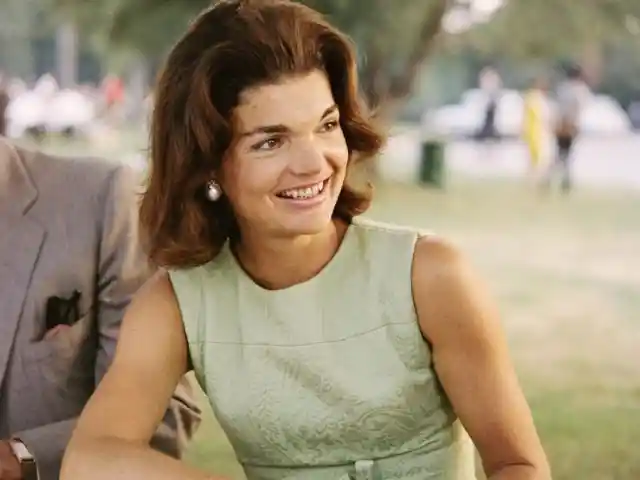
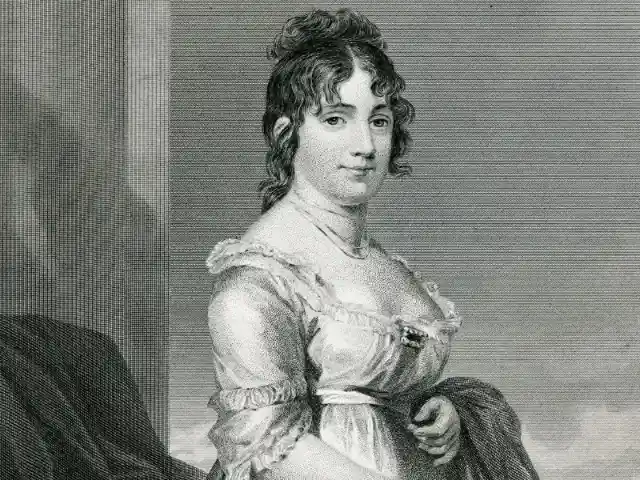
This “Lady Presidentress” (the original title for the First Lady of the United States) was well-known for her activities during the War of 1812 when British forces invaded the country. She waited until the last possible moment to flee, saving a painting of George Washington and other government documents.
Dolley Madison hosted political dinners and was the first First Lady to remodel the White House. She also fostered orphans and assisted with networking during her husband James’ presidential campaign in 1808.
Dolley Madison was known to find a compromise between the president’s democratic focus and the belief that the White House should be exclusively available to a select few people. She began having weekly White House events, welcoming anyone who wanted to come in and interacting freely with her visitors.
Michelle Obama
When Michelle Obama became the first African-American First Lady in 2009, she created history. She focused on kids’ nutrition, exercise, education in the White House and military families, and LGBTQ rights. She scored very well in the categories of own woman, public image, and worth to the president. She’s also one of the most admired presidential wives.
In 2009, she established a garden on the White House’s south lawn to promote a healthier diet. In recent years she’s become a best-selling author, public speaker, and podcast host. She’s also known for participating in exciting shows such as the James Cordon show.
Hillary Clinton
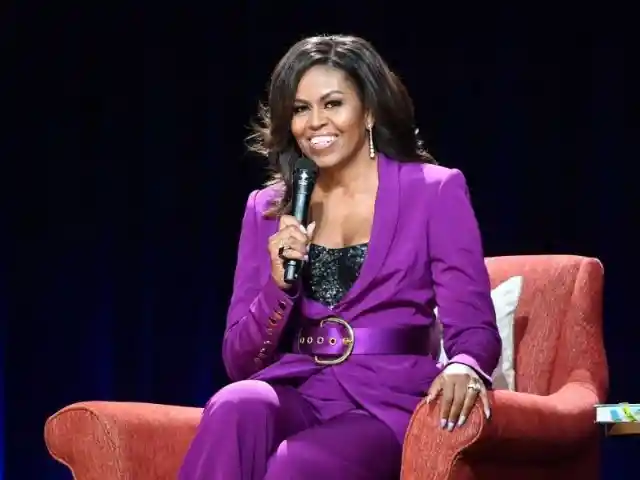

Hillary Clinton, the former First Lady and presidential contender, is one of the study’s top-ranked wives, notably for leadership, personal womanhood, achievements, and importance to the president. The Yale-educated lawyer became involved in policymaking and lobbying for women’s and children’s rights in other nations during Bill Clinton’s presidency.
She is one of history’s most distinguished first wives. She served as a senator from 2001 to 2007 and then as Secretary of State during Barack Obama’s first term in office from 2008 to 2013. Hillary has also published books, given speeches, and run for president independently.
Nonetheless, she has been linked to various scandals, such as the Whitewater and Travelgate investigations. The FBI probed her for a personal email account, which may explain why she lags below some of the other First Ladies in terms of integrity and public image.
Lady Bird Johnson


Lady Bird Johnson succeeded Jackie Kennedy as the First Lady on the heels of America’s darling. Yet, she remained one of the country’s most famous first women. She was well-known for campaigning hard for her husband’s presidential campaign in 1964, bringing her train, called the “Lady Bird Special,” across various Southern states.
She supported working women and persuaded her husband, Lyndon B. Johnson, to appoint women to government positions. She pledged to “beautify” the country by advocating for removal of obnoxious advertising from roads and protecting California redwoods.
Lady Bird was the first First Lady to get a press secretary and staff director. Her importance to the president and leadership abilities place her in the top tier. Her favorite program as the First Lady was Head Start – a program intended to assist preschool children from low-income families prepares for their education.
Betty Ford
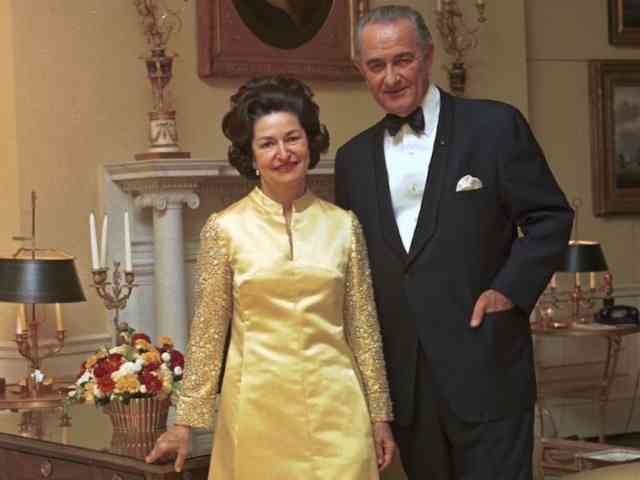
Betty Ford was a strong personality in her own right who didn’t shy away from contentious themes. She freely acknowledged her mental treatment, advocated for women’s equality, argued that premarital sex could reduce divorce rates, and backed the 1973 Supreme Court decision Roe v. Wade.
When she opted to be open about her treatment for breast cancer in 1974, she was possibly the first First Lady to be candid with the public about her health difficulties. Despite having chemotherapy, she continued to execute all of her responsibilities. She struggled with drug and alcohol addiction.
Still, she completed treatment and co-founded the Betty Ford Center for Substance Abuse. For her contributions to raising public awareness and rehabilitation of drug and alcohol addiction, George H.W. Bush bestowed her with the Presidential Medal of Freedom in 1991.
Martha Washington
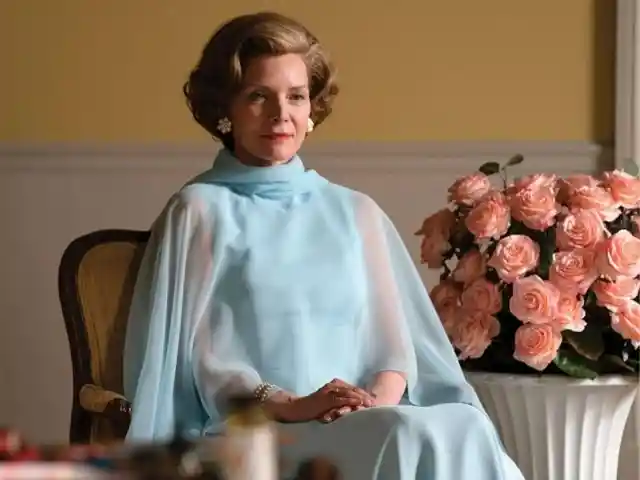
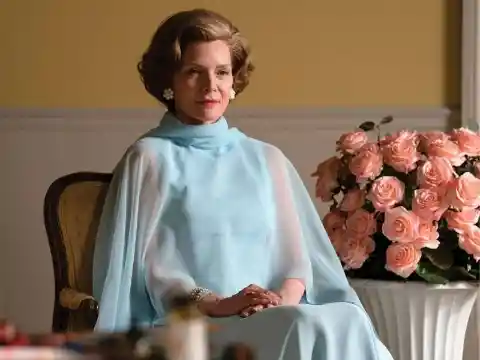
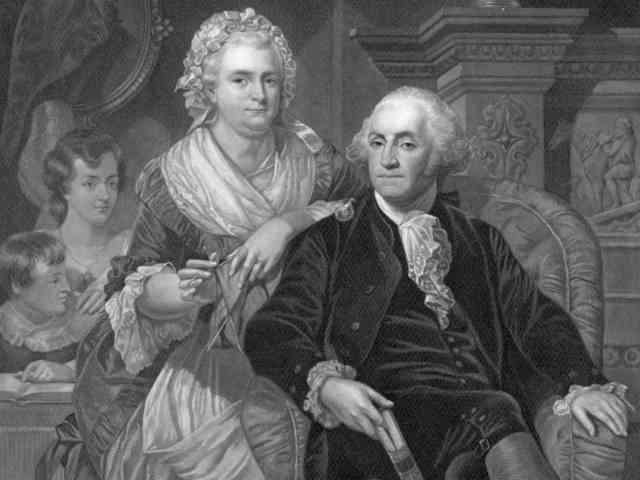
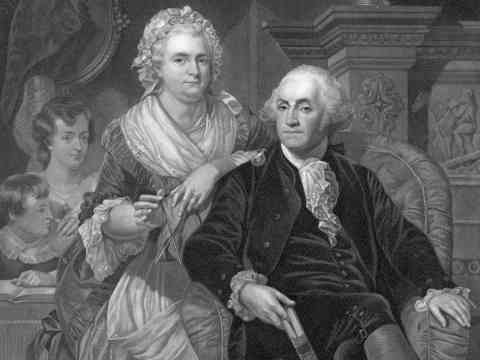
The very First Lady of the United States, Martha Washington, defined the job by giving receptions, welcoming callers and guests, and assisting veterans and the needy. She spent many winters with her husband in his military lodgings. She encouraged other officers’ wives to contribute to the war effort by saving money and assisting their husbands in any manner they could.
Her last son died during the Revolutionary War. She quickly adopted two of her surviving grandsons as surrogates for the children she and George had never had. She didn’t frequently express her political views, although she did attend political debates and advocate for girls’ education.
Rosalynn Carter
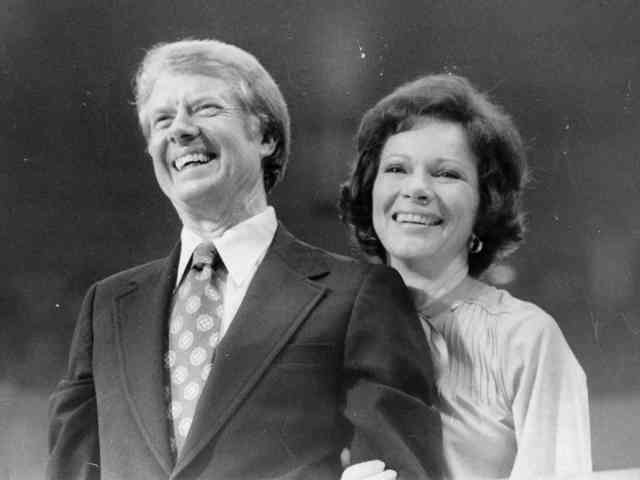
Rosalynn Carter was the first to employ a chief of staff with a rank and salary equivalent to other West Wing aides. She formed and managed the formal Office of the First Lady. She handled most of her husband’s political communications while in office.
She became a huge advocate for and backer of his constituents’ ideas. Rosalynn took an interest in politics that none of her predecessors had, to the point where she and her husband booked weekly business lunches to address her work.
She attended cabinet meetings, advised her husband Jimmy, and served as the president’s official ambassador to Latin America in 1977. Rosalynn took his place at the primaries and fundraisers when her husband remained in D.C. to deal with the Iranian hostage situation instead of traveling the campaign route for re-election.
Barbara Bush
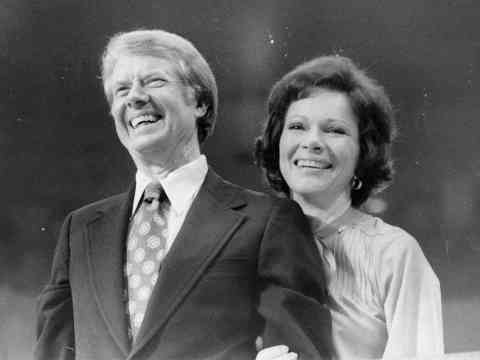
Barbara Bush earned strong favorability ratings throughout her husband’s presidency, and aides nicknamed her “The National Treasure.” She encouraged reading, frequented homeless shelters and hospitals, raised AIDS awareness, and supported senior citizen initiatives. Barbara was one of the few First Ladies to marry while still in her teens.
She was a stay-at-home mother for many years, raising a family of five while supporting her husband’s political and business career. Barbara reckoned that the Bushes had moved 29 times during George Senior’s career by the time they moved into the White House in 1989.
According to others, despite her sweet, grandmotherly public persona, Barbara wasn’t nearly as friendly in private.
Laura Bush
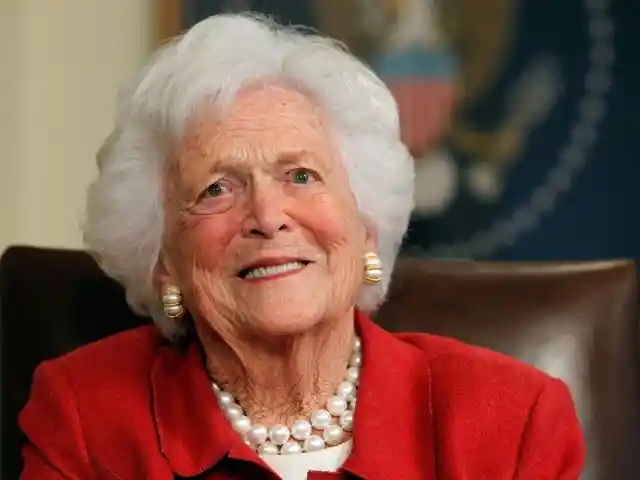
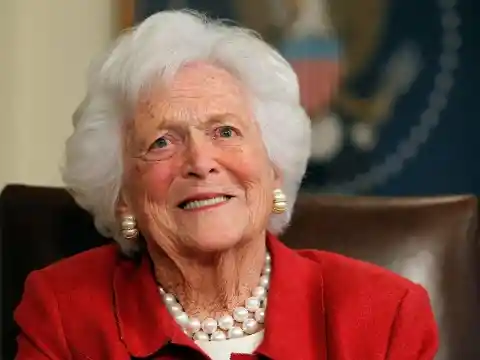
During her term as the First Lady, Laura Bush, the wife of George W. Bush, pushed reading programs (much like her mother-in-law) and backed the well-being of women around the world. She wasn’t as involved as some of her predecessors regarding political roles.
She has an academic background, having earned a Master’s degree in library sciences in 1973 and later worked as a librarian in Austin. Laura traveled to Europe on her own as a First Lady and spoke before the Senate on education.
She also arranged a national book fair with American writers and received accolades for her caring support of 9/11 survivors. In 2001, she made history as the first presidential spouse to deliver the White House weekly radio address, speaking about the Taliban’s abuse of Afghan women.
Edith Roosevelt
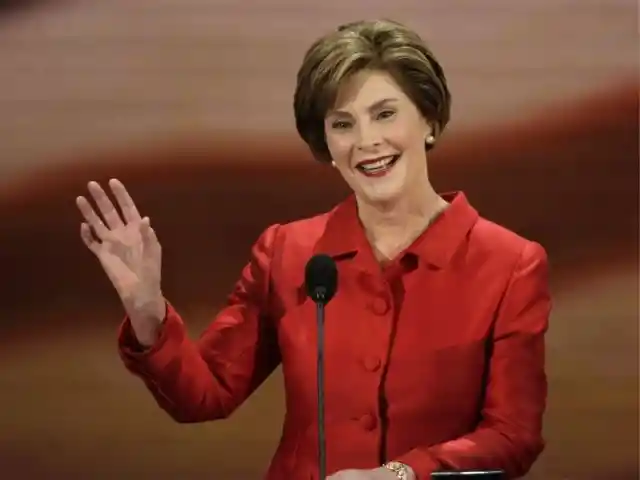
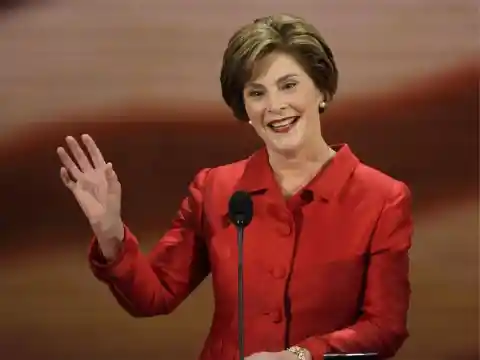
Edith Roosevelt, President Theodore Roosevelt’s second wife, was the first First Lady to hire a full-time social secretary and operate as an unofficial counsel to her husband. She was also the first First Lady to formalize some of her responsibilities.
Her responsibilities of convening a regular meeting of cabinet ministers’ wives to discuss moral standards and the acceptable level of party spending were seen as a level of control that some criticized as overbearing.
Edith lagged in leadership qualities. She stayed out of the spotlight during her husband’s presidential campaigns and was known for refusing to speak to reporters. Despite this, she is consistently ranked among the top third of all first ladies. She is remembered for major White House renovations like enlarging the family rooms and preserving posterity portraits of previous First Ladies and their china sets.
Nancy Reagan
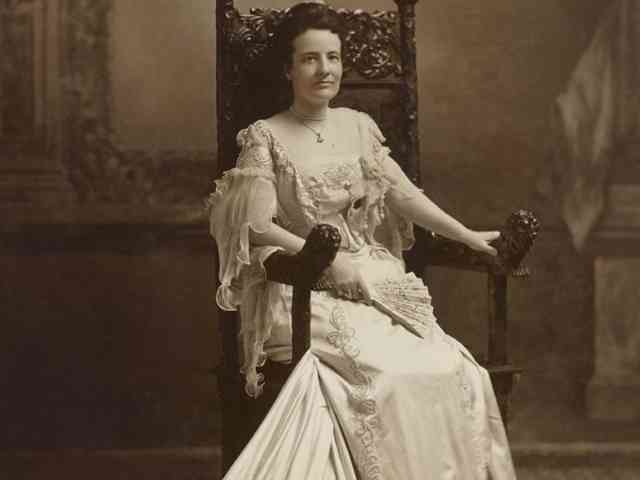
This former actress was instrumental in her husband Ronald Reagan’s ascension to the White House and his campaign preparation and personnel administration. She wanted the president to recapture a more glamorous persona after the Fords’ more “down-home” years.
She recruited Letitia Baldrige, Jacqueline Kennedy’s social secretary, to help recover that degree of flair. It was widely assumed that she had stretched the function of the First Lady into an “associate presidency.”
After her husband got shot in an assassination attempt, the media criticized her for wearing fashionable gowns, ordering an expensive refurbishment of the White House, and visiting an astrologist. She had a reputation for being a little out of touch.
While she utilized her position to raise awareness about drug usage, the public chastised the Reagan administration for cutting federal support for such programs. Nancy believed that raising awareness was more important than raising funds.
Bess Truman
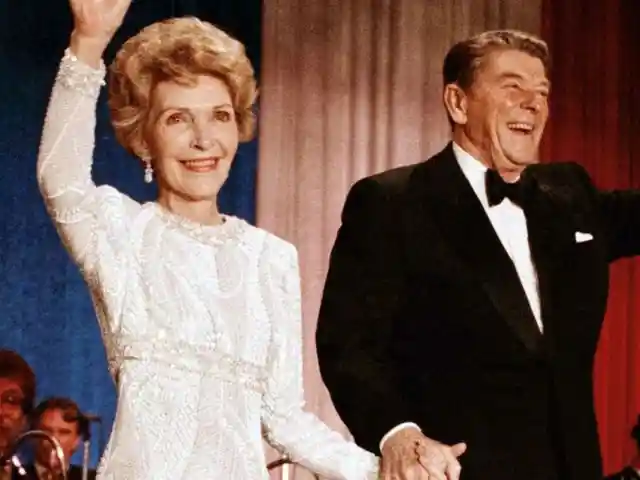
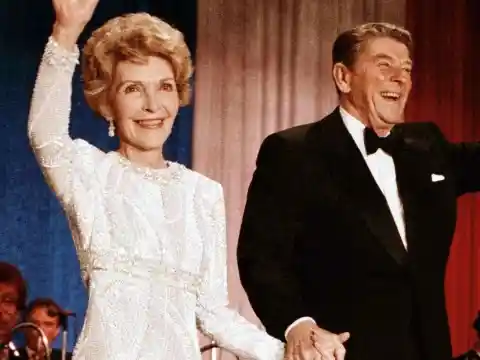
Even though it was tough to follow in the footsteps of the revered Eleanor Roosevelt, Bess Truman didn’t appreciate the publicity and politics of being the first Lady. She worked as her husband’s secretary and assistant behind the scenes and contributed to writing his speeches.
Margaret, their only child, was born in 1924, and she was her primary caregiver. Bess decided to rebuild and restore the White House rather than demolish the current structure and start over, which would have been the most cost-effective option when it became clear that the White House needed extensive repairs in 1949. Unlike her predecessors, she did not meet with female reporters.
Louisa Adams
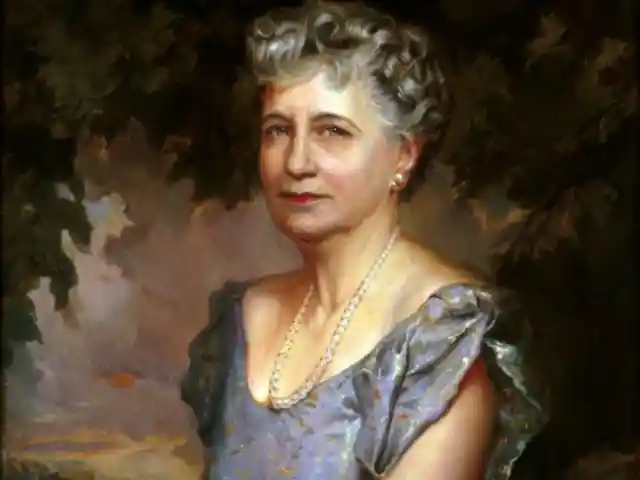
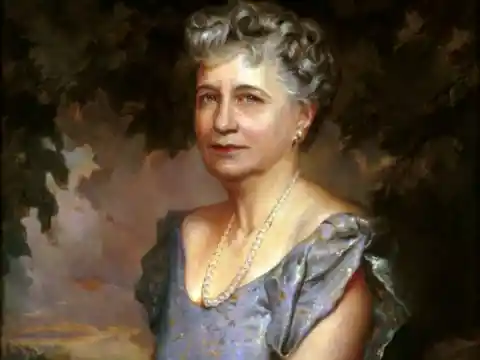
The first First Lady born outside the United States, Louisa Adams served as her husband’s unofficial campaign manager. She frequently counseled John Quincy Adams and assisted him in gaining a social reputation, moving him towards the presidency. However, after John won the election, he depended on her less, except when he wanted her to hold an official event.
This explains why she scored lower in leadership, own woman, and achievements. She despised her job as First Lady and referred to the White House as “a prison.” Despite this, it helped her husband win the hotly contested election of 1824.
Melania Trump
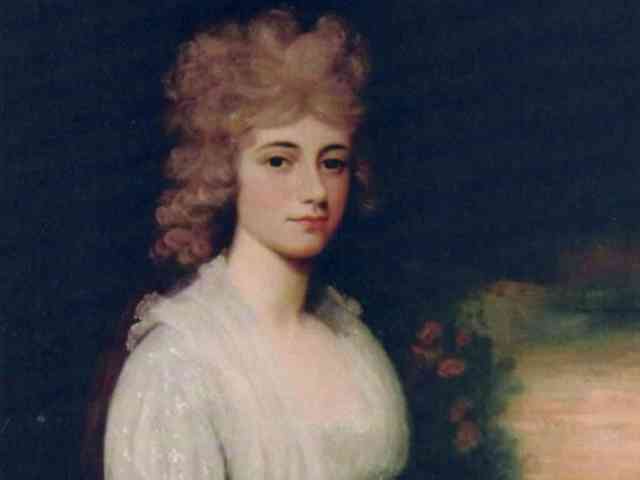
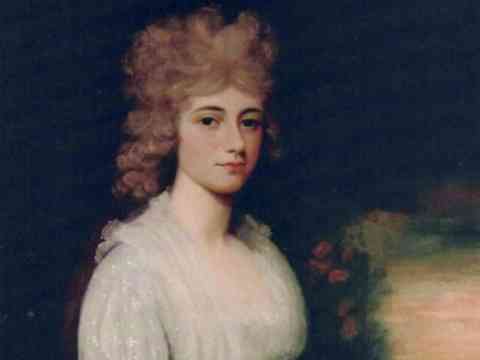
She was better known for her modeling and QVC skincare brand before her husband got into politics. She has kept a low and cryptic public presence. She was less visible and involved in White House operations than her recent predecessors.
Fashion decisions have caused controversy (such as a blazer with the statement “I really don’t care. Do U?” on a trip to meet imprisoned migrant children) and a leaked, expletive-filled audio about Christmas decorating tarnished her image as the graceful and elegant First Lady.
She didn’t do much throughout her husband’s two presidential campaigns in 2016 and 2020 except for giving a single speech at the Republican National Convention. Her anti-cyberbullying campaign, “Be Best,” was also criticized, with opponents noting how her husband’s online habits led to his suspension from Twitter and other social media platforms.
Her Secret Service nickname, “Muse,” started with the same initial as Trump’s “Mogul” code name.
Mamie Eisenhower
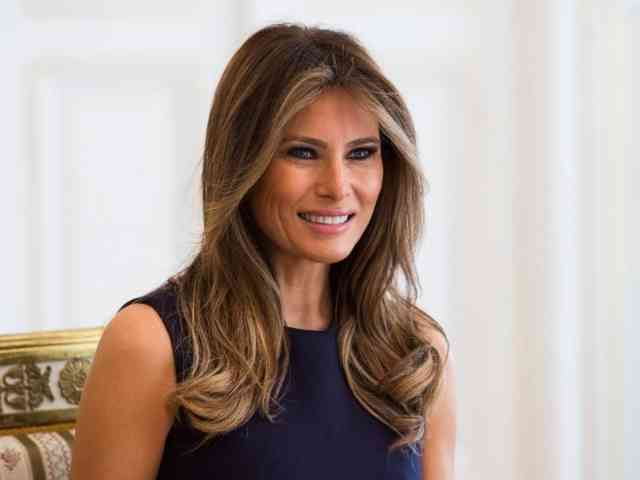
During her term as the First Lady, Mamie Eisenhower was noted for her fashion taste. Her bubblegum pink Nettie Rosenstein inaugural gown is still on display at the Smithsonian, routinely appearing on “best dressed” lists. She was sociable and liked by large crowds. She was not shy with “important” people and could easily engage high-powered guests.
Despite her status as a fashion icon, Mamie didn’t have leadership qualities. She took her job seriously, recognizing the political ramifications. She oversaw all White House employees, examining their work for any flaws.
She didn’t get involved in politics much, only visiting the White House four times (on invitation) and avoiding reporters. Despite her apolitical stance, the public adored her; she was especially popular among American women for her sense of elegance and unaffected demeanor.
Mary Todd Lincoln
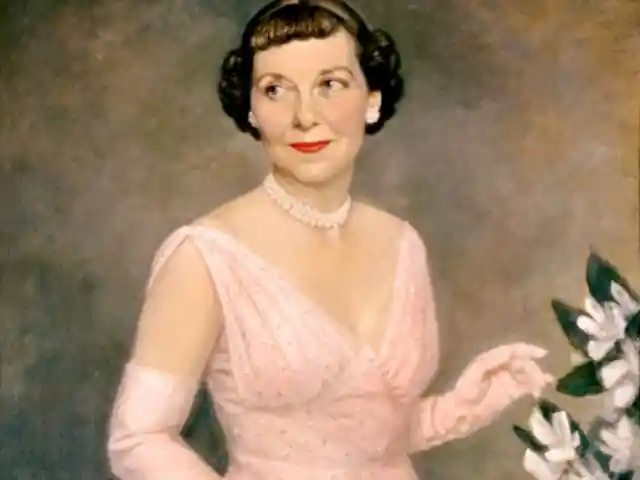
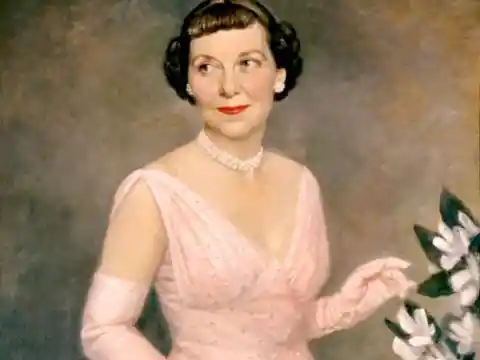
Mary Todd Lincoln was not just the wife of America’s most famous president. She was also one of history’s most reviled first ladies. Mary became the First Lady soon before the Civil War broke out, which was difficult because she was from the south and some of her ancestors were Confederate soldiers.
While she was initially praised for her parties and hosting skills, she came under fire for her wartime renovation of the White House. She had already lost one son to typhoid disease in 1850. The public began to notice her more eccentric behavior after the death of her second, Willie, in 1862.
In 1870, Congress granted her a $3,000 annual pension as the wife of the nation’s first assassinated president, which is around $65,000 in today’s money. She gained notoriety for her terrible temper and lavish spending during her time in the White House.
Her last son committed her to a mental institution for three months. She spent the rest of her life in poor condition after being liberated and died in 1882. She was buried close to her husband.
Pat Nixon
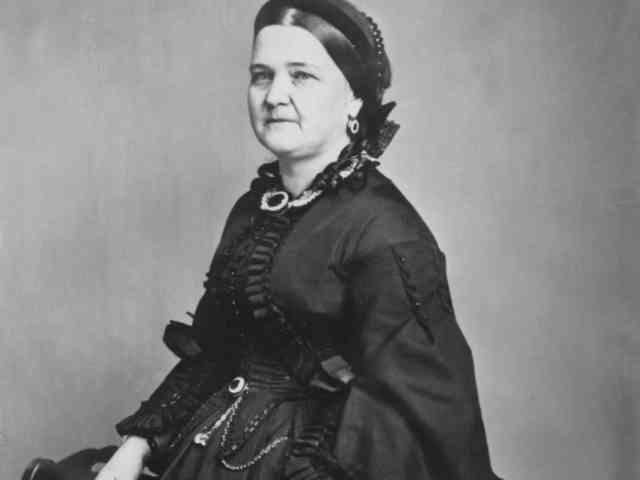
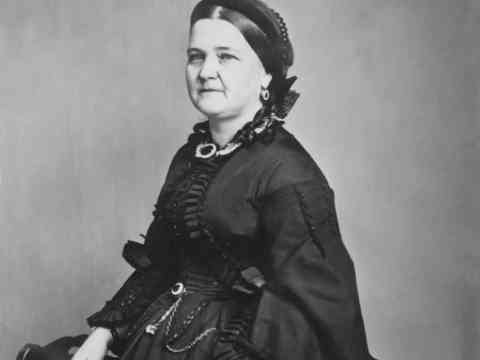
Pat Nixon’s “sole ambition,” according to reports, was to “go down in history as the wife of a president.” Alas, history will primarily remember her for that. Despite being one of the most well-traveled first ladies in history, acting as ambassador and assistant, and vocally supporting equal rights, she scored low across numerous measures, including leadership, own woman, and achievement.
Her credibility is also lacking, possibly due to her husband Richard’s tragic Watergate scandal. Pat advised him to erase the incriminating cassette recordings while they were still private property, and instead of resigning, he should defend the charges.
Additionally, she played a pivotal role in making the White House more accessible to the hearing impaired, the physically disabled, and those whose work schedules only permitted nighttime off. She gained the harsh nickname “Plastic Pat” for her stiff smile, but Pat stated that the criticism did not disturb her in interviews.
Jane Pierce
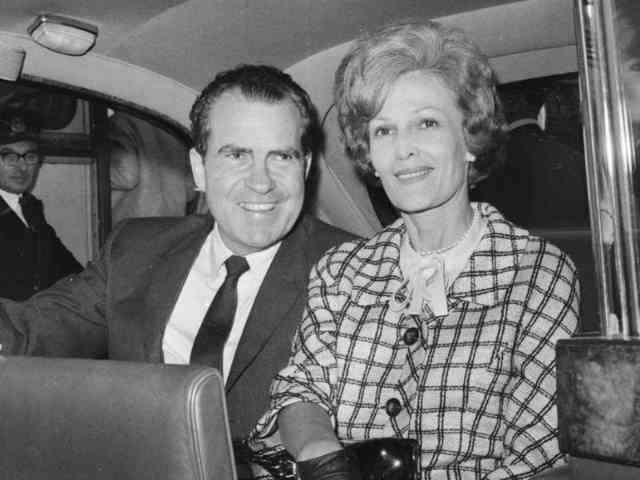
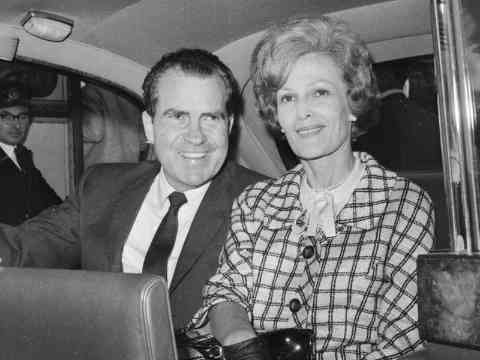
C-SPAN designates Jane Pierce as the most tragic first lady in light of the adversities she faced. By the time President Franklin Pierce assumed office, the couple had endured the heartbreaking loss of all three sons, with one tragically perishing in a train derailment. Jane, disinterested in politics and initially opposed to her husband’s presidential pursuit, interpreted her son’s death as divine retribution. Subsequently, she grappled with understandable depression and developed a tendency to ailments, often avoiding social functions. Despite her intelligence, Jane’s official contributions garnered a mere 2.75 out of five. Grateful to depart Washington after her husband’s term, she passed away in 1863, encapsulating a life marked by profound tragedy and personal struggles.
Eliza Johnson
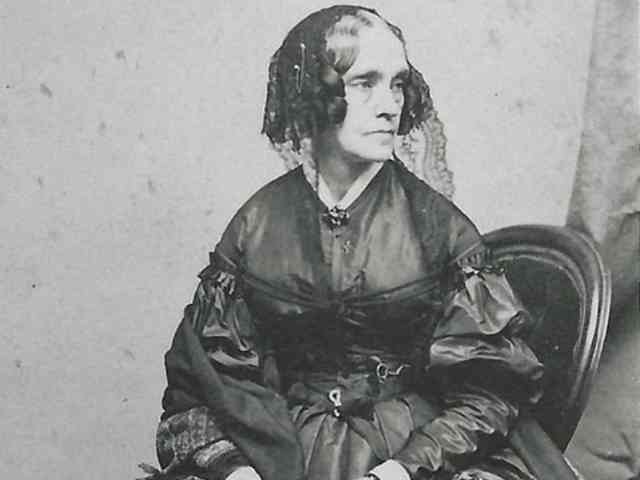
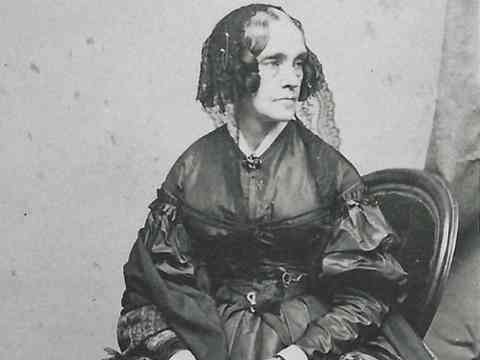
Eliza McCardle Johnson, wife of the first impeached president, Andrew Johnson, served as the inaugural First Lady from 1865 to 1869. Despite having only an eighth-grade education, Eliza was self-taught, possessing intelligence and a love for literature. She dedicated herself to supporting her husband and efficiently managing their household. The White House Library attributes Andrew’s political ascent to Eliza’s financial acumen and child-rearing skills. Battling tuberculosis upon entering the White House, Eliza positioned her bedroom nearby Andrew’s office, becoming his advisor, clipping news stories, soothing his temper, and providing a valuable sounding board. Notably, in the Siena College study, Eliza earned her highest score (3.06 out of five) for her invaluable contribution to her husband’s success.
Letitia Tyler
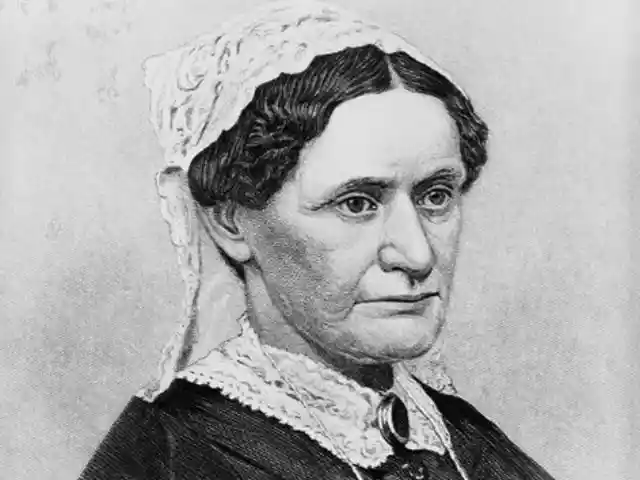
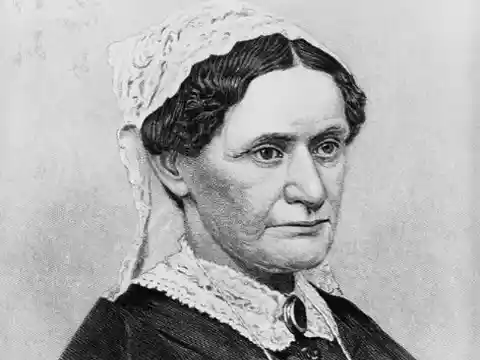
Letitia, the inaugural wife of the 10th U.S. president, scores modestly in the Siena College study, largely attributed to her brief tenure as the first lady. Serving for only a few months at the commencement of John Tyler’s term, Letitia, affectionately known as Lizzie, had already weathered a significant stroke before her husband assumed the presidency following William Henry Harrison’s death in 1841. C-SPAN scholars highlight Lizzie’s determination as she managed eight children and household affairs despite her physical challenges. Described as naturally reserved and a homebody, Letitia, even without physical frailty, might not have embraced the grand hostess role expected of first ladies at the time. Unfortunately, she suffered another stroke in 1842 and became the first lady to pass away in the White House in September of that year.
Florence Harding
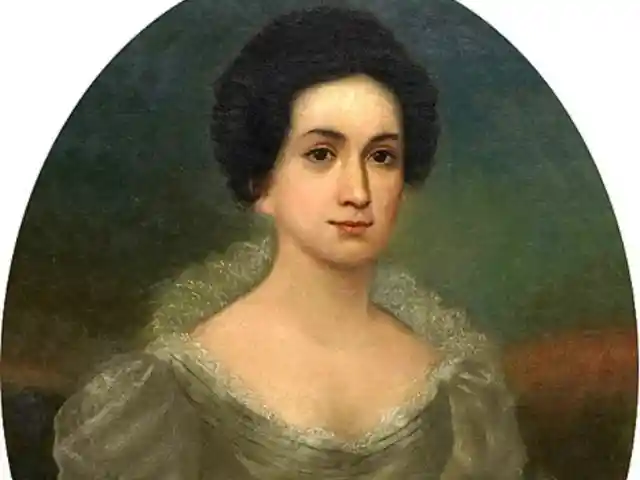
Florence Harding, the first lady from 1921 to 1923, broke new ground as the inaugural divorced first lady and the first to exercise her voting rights, notes C-SPAN. Displaying a profound concern for World War I veterans, she hosted regular garden parties for their benefit. Warren Harding affectionately referred to her as the Duchess, and she ardently supported his election campaign, declaring, “I have only one real hobby — my husband.” Unfortunately, President Harding passed away during a cross-country tour in 1923, unveiling the scandals that have since marred his legacy. Posthumously, Florence faced media scrutiny, earning a reputation for being “difficult,” reflected in her Siena rankings, particularly in public image and integrity, which were notably low.
Margaret Taylor
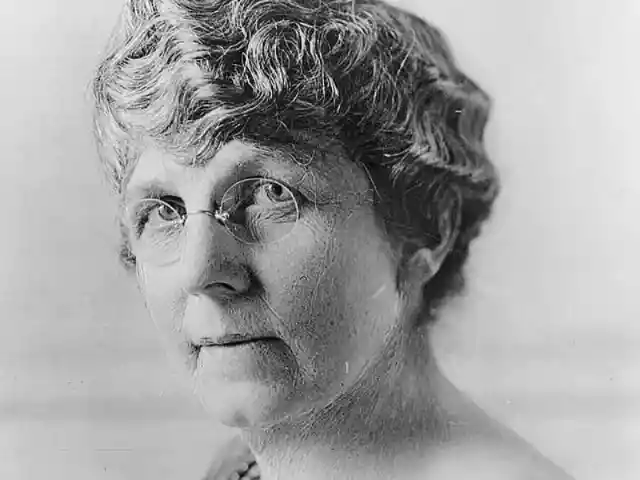
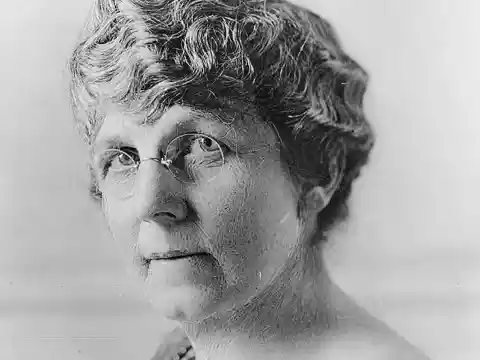
Margaret Taylor’s stint as first lady, spanning 1849 to 1850, was marked by brevity and a reluctance for the role. Hailing from a military background, the Taylors, though affluent due to their Louisiana plantation, were perceived as rural in Washington. Unaccustomed to the social demands, Peggy, as she was known, was uncomfortable in crowds, prompting her to delegate most first lady responsibilities to her daughter, Betty. Tragically, less than two years into Zachary Taylor’s presidency, he succumbed to illness after consuming cherries and milk on a scorching Fourth of July. In the Siena College study, Peggy received scores ranging from 2.86 to 2.90 out of five, reflecting her limited engagement in public image, leadership, and accomplishments, mirroring her brief and reluctant tenure.
Ida McKinley
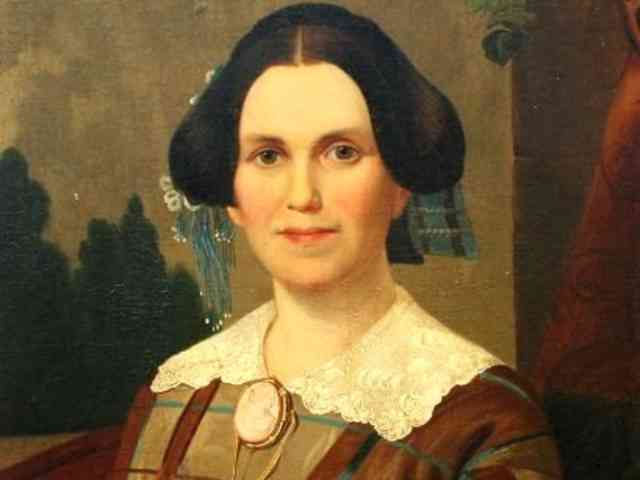
Ida, born into a politically radical and affluent family, emerged as the most educated first lady up to her time, marrying William McKinley in 1871. Tragically, both their daughters passed away before reaching five. Afflicted by epilepsy and deep vein thrombosis, Ida faced intermittent perceptions of invalidity from 1876 onwards. Challenging protocol during state dinners, she sat beside McKinley, reportedly taking bromide salts to forestall seizures. Despite low Siena College scores in expected areas (2.87 for leadership, 2.88 for accomplishments, and 2.89 for independence), Ida championed women’s rights, supported the Crittenden House for abused women, and the Red Cross. Following McKinley’s assassination in 1901, Ida, enduring her ailments, outlived him by six years.
Abigail Fillmore
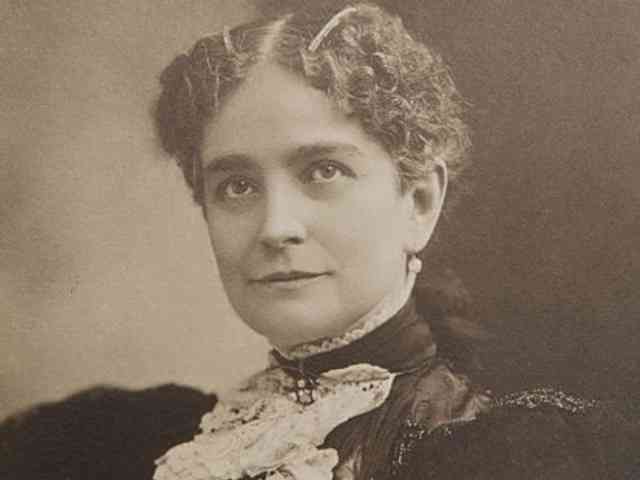
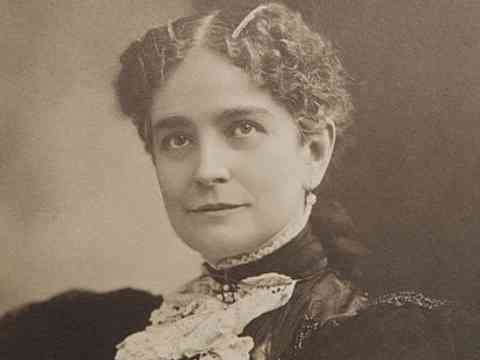
Abigail Fillmore, the wife of the 13th president, Millard Fillmore, served as the first lady from 1850 to 1853. A groundbreaking figure, she was not only a teacher but also the first lady to work after marriage, having initially met Millard when he was her student. If first ladies championed causes in her era, Abigail’s focus would have been literacy, as she was hailed by C-SPAN as a true intellectual staying informed about political affairs. Renowned for establishing the first White House library, Abigail, due to an ankle injury, often hosted literary salons seated alongside her daughter, Abby. Despite her contributions, she received modest scores in the Siena College study, potentially influenced by her reserved nature and chronic health issues, reflecting a challenging assessment.
Elizabeth Monroe
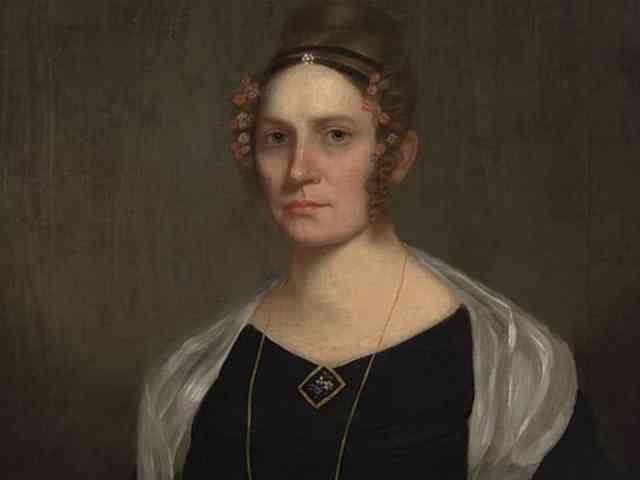
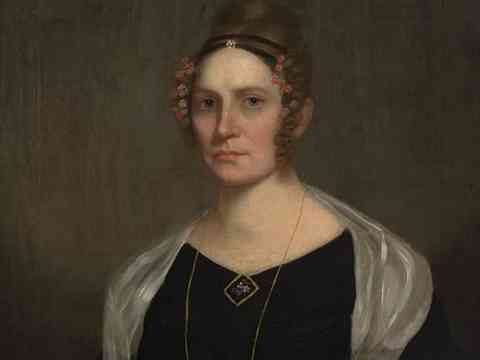
Elizabeth Monroe, the fifth first lady from 1817 to 1825, shared a celebrated love match with her husband, President James Monroe, according to the White House Library. Possessing diplomatic prowess, Elizabeth faced challenges as her ill health hindered her ability to engage with her husband’s diplomatic relations during his presidency, potentially straining those connections. Battling excruciating headaches, rheumatism, arthritis, and speculated late-onset epilepsy, she earned a reputation as a reclusive figure, favoring familial company over the expansive social obligations of her role. The Siena College study reflects consistently low scores, particularly in leadership, public image, and accomplishments, registering at 2.92, 2.93, and 2.95 out of five, respectively. Despite 44 inseparable years with James, she garnered a score of 3.05 out of five for her value to her husband.
Caroline Harrison
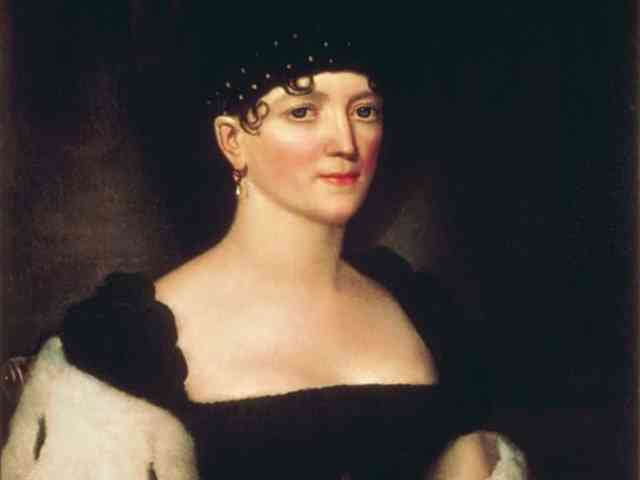
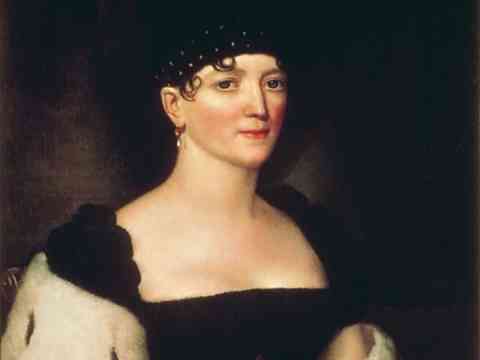
Caroline, born in 1832 in Ohio, has consistently been undervalued in her role as first lady, as per C-SPAN. An accomplished artist before marrying in her early 20s, she recognized the political impact of entertaining, with the Harrisons gaining renown for their numerous receptions. Although her aspirations for White House expansion were thwarted, Caroline redirected her efforts towards redecorating. Actively volunteering with orphans and in hospitals, she advocated for women’s admission as medical students at Johns Hopkins University. Despite her multifaceted contributions, the Siena College study assigns mostly low threes to Caroline Harrison, ranging from 3.09 for her White House stewardship to 2.97 for her public image. Tragically, she succumbed to tuberculosis in October 1892, becoming the second first lady, after Letitia Tyler, to die in the White House.
Lucretia Garfield
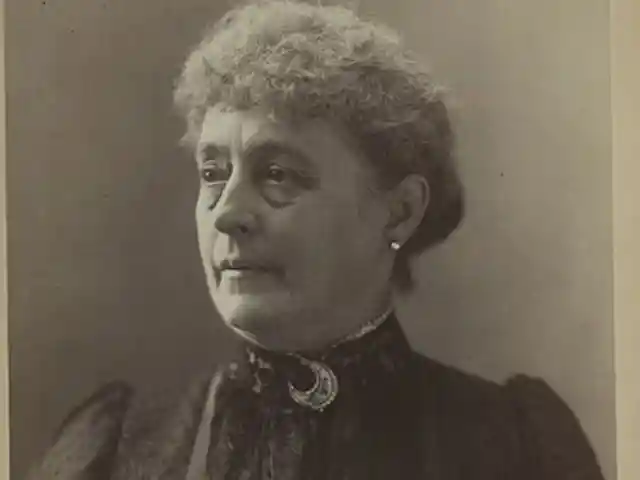
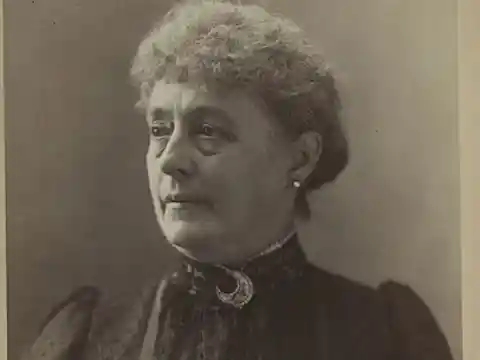
Lucretia Garfield’s stint as first lady was marked by brevity and reluctance, evident in her early sentiments conveyed to a friend through C-SPAN. Expressing ambivalence about assuming the role, she acknowledged her husband’s suitability for leadership. Shortly after James’s presidency commenced, Lucretia succumbed to illness, diagnosed as “malaria and nervous exhaustion” by the White House Library. During her absence for recuperation, James was shot by an assailant aiming for Chester Arthur’s presidency. The Siena College study yields modest scores for Lucretia, registering 2.98 for her value to the country and 2.97 for leadership. Her highest marks, at 3.09, acknowledge her courage and integrity, stemming from her unwavering fortitude and loyalty while caring for her wounded husband. James lingered for nearly three months, succumbing to an infection caused by the era’s limited understanding of bacterial transmission.
Julia Tyler
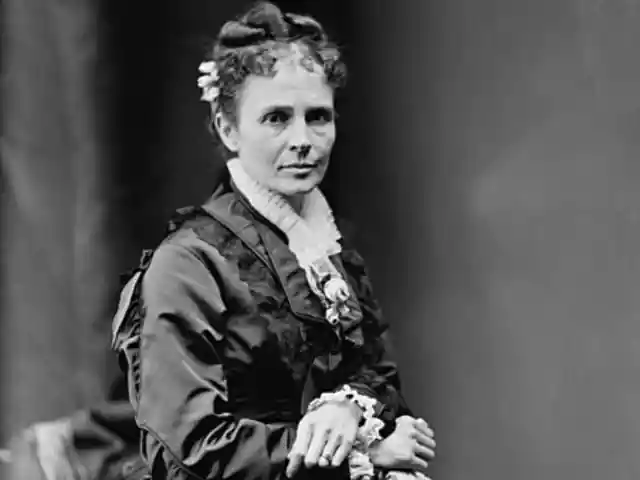
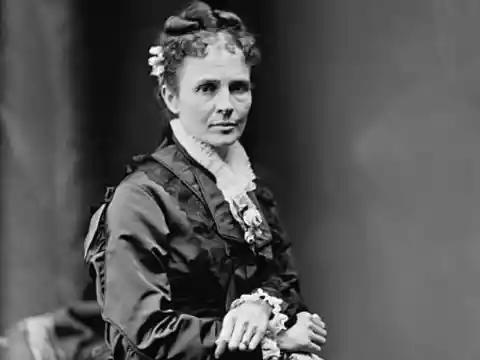
Julia Tyler, President John Tyler’s second and considerably younger wife, entered the White House after a clandestine courtship in 1844, serving as first lady for a mere eight months. Julia’s value to the country garnered a modest score of 2.95 out of five, potentially influenced by Tyler’s Confederate allegiance in 1861. Mostly scoring in the low threes, her highest mark, at 3.12, reflects her value to the president. Notably, during her brief tenure, Julia reintroduced traditional formalities, including wearing plumes and coordinating attire for attendants, as noted by the White House Library. Following Tyler’s decision not to seek re-election, the couple retired to a Virginia plantation, where Julia managed around 90 enslaved individuals at the onset of the Civil War, contributing to the Tylers’ complex and nuanced historical legacy.
Frances Cleveland
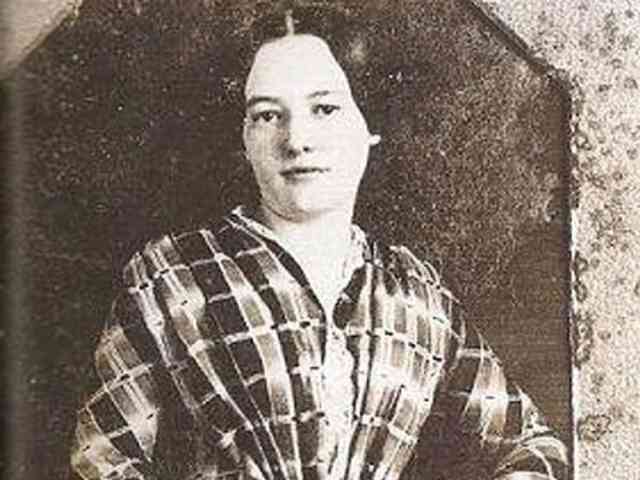
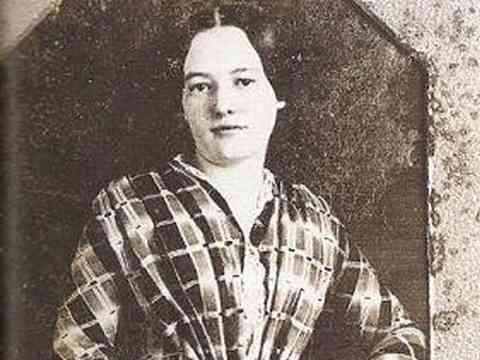
Frances Cleveland, renowned as the first lady who wed in the White House, achieved historical notoriety marrying Grover Cleveland at the age of 21, with him being 49. Having been under Cleveland’s care since her father’s death at 11, Frances captivated the public with her charm and youth, bolstering her husband’s political standing. Despite her significant impact on his image, her potential contributions to history were hindered by Grover Cleveland’s traditional views on a wife’s role, as highlighted in a C-SPAN documentary. This perspective likely influenced her notably low score of 3.05 for accomplishments in the Siena College study, perpetuating historical underestimation of Frances Cleveland’s potential influence beyond her pioneering role as a youthful and charismatic first lady.
Helen Taft
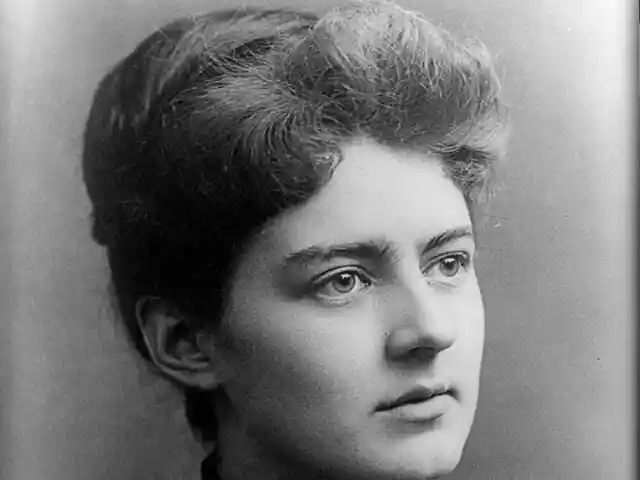
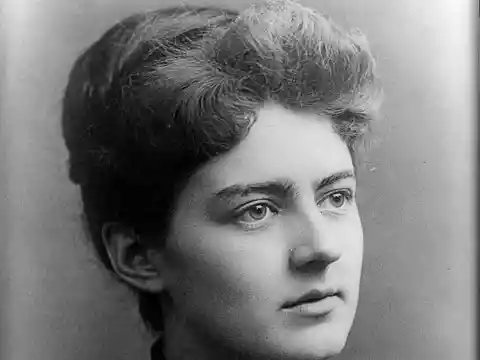
Helen Taft, the first lady from 1909 to 1913, defied the norms of her time and exhibited a spirited personality, earning her the label of a “firecracker” by C-SPAN. Despite her ambition and early political aspirations, the Siena College study surprisingly places her close to the bottom of the list, offering her the lowest scores for leadership, accomplishments, and public image. Known for her trailblazing actions, Helen was the first to ride alongside her husband in the Inauguration Parade, own and drive a car, and initiate the planting of cherry trees around the Tidal Basin. Additionally, she became the inaugural first lady to donate her inaugural gown to the Smithsonian Museum, laying the foundation for a popular exhibit. Unfortunately, her White House impact was overshadowed by a stroke in May 1909, leading to a year-long period of rehabilitation and speech relearning. Despite her notable contributions, her highest score in the study was for her value to her husband.
Sarah Polk
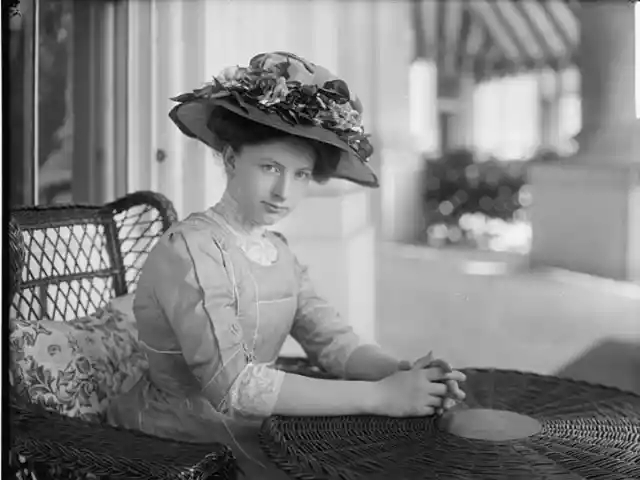
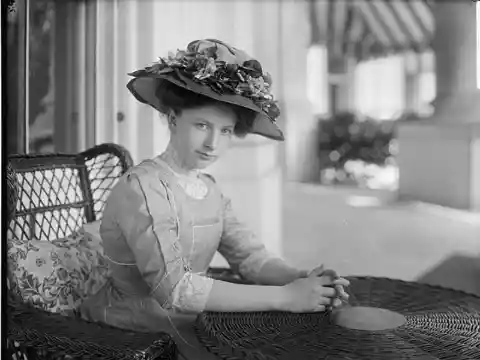
Sarah Polk, first lady from 1845 to 1849 during her husband James Polk’s presidency, may not be widely remembered, but in historical context, she was the spouse of Andrew Jackson’s political protege, as noted by the White House Library. Hailing from a wealthy background, Sarah received a superior education and adhered to a devout Presbyterian lifestyle marked by abstention from horse races and theater. In contrast to her predecessor, Julia Tyler, Sarah’s entertaining style was modest, emphasizing tactful conversation and earning guests’ respect. The Siena College study revealed lower scores for her White House stewardship, public image, and accomplishments, with her highest mark at 3.26 for her value to her husband. Privately, she assisted James Polk with speeches, copied his correspondence, and provided valuable advice.
Julia Grant
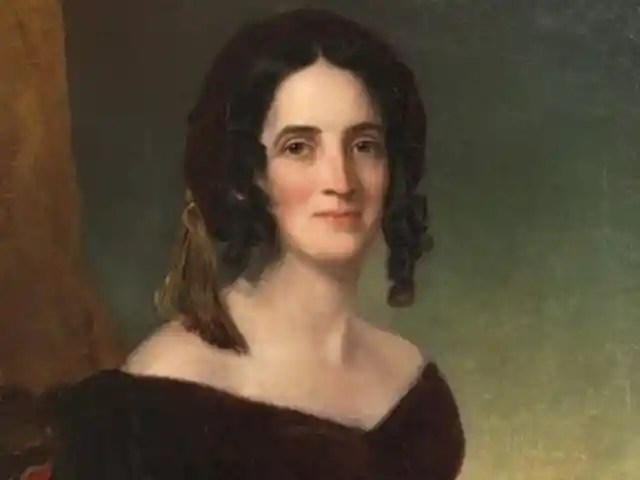
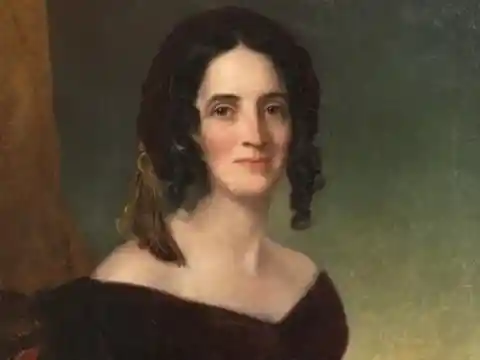
Julia Grant, wife of Ulysses S. Grant, fondly termed her time as first lady “the happiest period” of her life, according to the White House Library. Despite this sentiment, the Siena College study depicted Julia with a mixed evaluation, awarding her a 3.12 for her value to the country, 3.16 for integrity, and 3.05 for leadership. Her highest marks were 3.31 for her value to her husband and a commendable recognition for being “her own woman.” The Grants presided over the nation from 1869 to 1877 during the Gilded Age, and Julia, known for her opulent style and lavish parties, became the first presidential spouse to publish an autobiography. Britannica notes her self-consciousness about a slightly crossed eye, prompting a preference for being photographed from her “better side.”
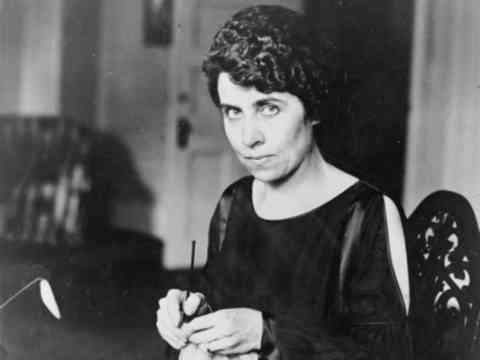
Grace Coolidge
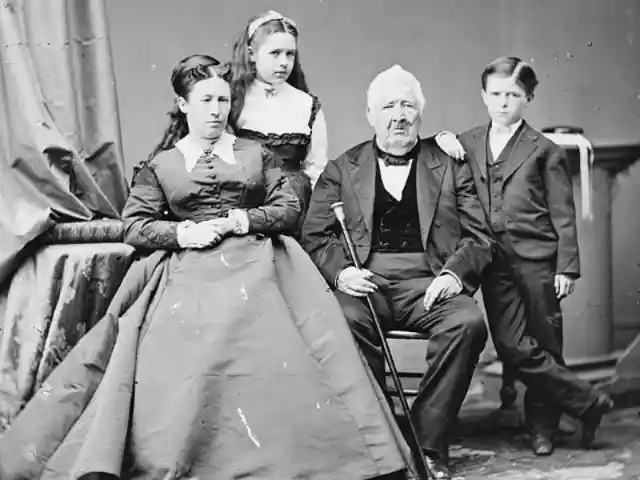
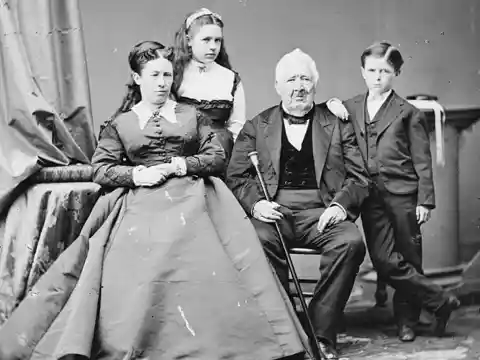
Grace Goodhue Coolidge, despite earning average marks in most Siena College study categories, received her lowest scores as first lady for being “her own woman,” leadership, and accomplishments, ranging between 3.03 and 3.07 out of five. In contrast to her reserved husband, she was known for her easygoing and fun demeanor, efficiently managing both the household and Washington society while “Silent Cal” ascended in politics, as noted by the White House Library. Britannica highlights her active involvement in causes such as the Red Cross and the Visiting Nurse Association, demonstrating her commitment despite respecting her husband’s wish for private political views. A flapper icon, Grace’s popularity among the youth stemmed from her attainment of a university degree and a pre-marriage career, marking her as a noteworthy figure of that era.
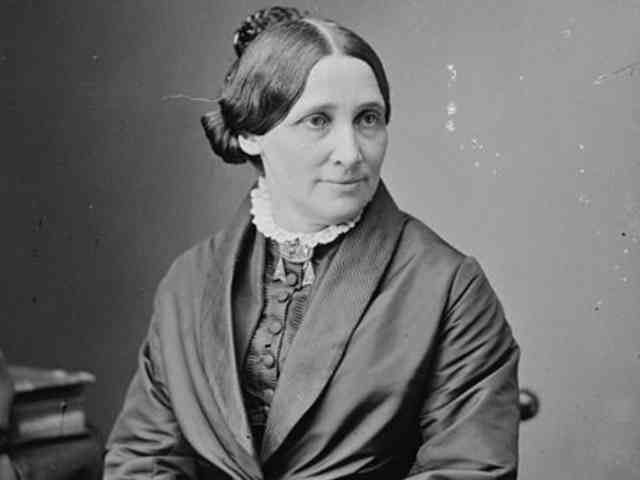
Lucy Hayes
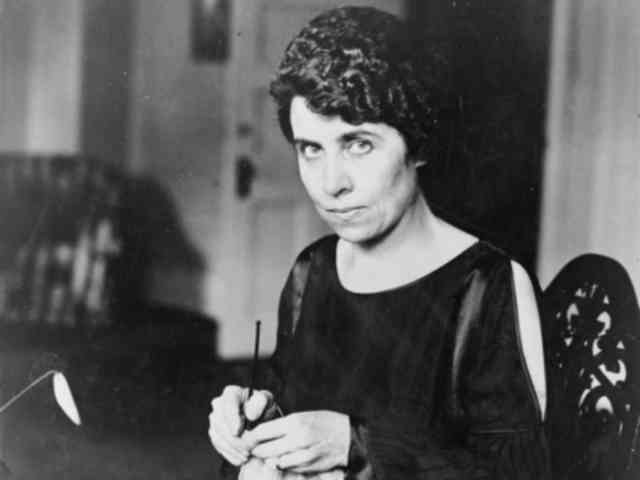
Lucy, wife of the 19th president Rutherford B. Hayes (1877-1881), receives predominantly average scores in the Siena College study, with an overall mean rank of 63%. According to the White House Library, Lucy and “Rud” enjoyed a long and happy marriage, raising five children to adulthood. During her husband’s military service, Lucy earned the affectionate nickname “Mother Lucy” from troops for her dedicated care of the wounded. A supporter of the temperance movement, her parties were alcohol-free, earning her the press moniker “Lemonade Lucy.” Demonstrating a lively and gracious hosting style, Lucy remained actively engaged in politics and charity work, particularly focusing on aiding the city’s poor, reflecting her enduring commitment to social causes, as noted by the National First Ladies Library and the Rutherford B. Hayes Library.
Ellen Wilson
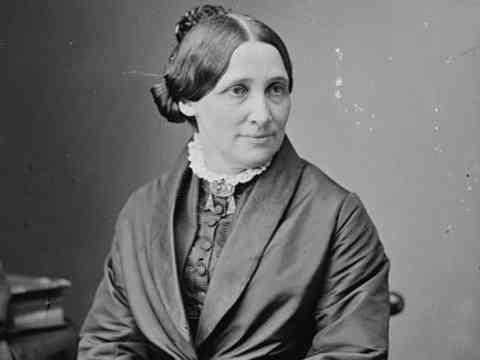
Ellen, the first wife of President Woodrow Wilson, held the title of first lady for just one year, from 1913 to 1914, before her untimely death. Despite her brief tenure, Ellen’s scores in the Siena College study hover around three out of five in categories such as courage, White House stewardship, accomplishments, and public image. A letter from the White House Library reveals Ellen’s reluctance for the role, stating, “I am naturally the most unambitious of women, and life in the White House has no attractions for me.” During her short stint, she focused on raising awareness about the Washington slums, predominantly inhabited by Black citizens, successfully advocating for a federal bill establishing minimum housing standards in D.C. Unfortunately, a fall in March 1914 revealed late-stage Bright’s disease, leading to her demise in August of that year.
Louisa Adams
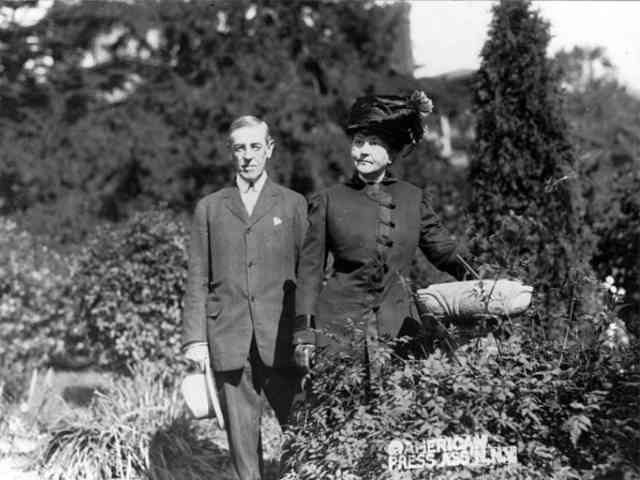
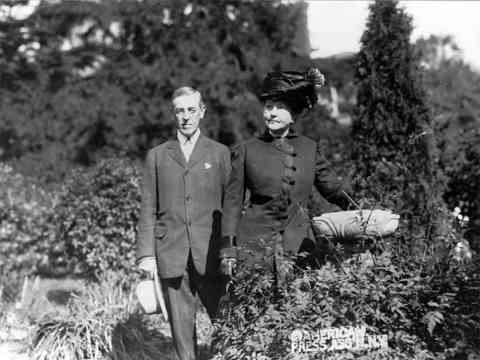
Louisa Adams, the first first lady born outside the U.S., played a pivotal role as her husband’s unofficial campaign manager, advising John Quincy Adams and aiding his social recognition on the path to the presidency. However, post-election, John diminished her influence, primarily utilizing her for official receptions. This shift likely contributed to her lower scores in the leadership, “own woman,” and accomplishments categories. Louisa, lamenting her perceived role, expressed feeling like an “incumbrance” unless needed for political maneuvers. Finding solace in volunteer work, particularly with the Washington Female Orphan Asylums, her marriage, while companionable, faced challenges, with historians speculating on the difficulties of being wed to John Quincy Adams. Unhappy in her first lady role, she referred to the White House as a “prison.”
Lou Hoover
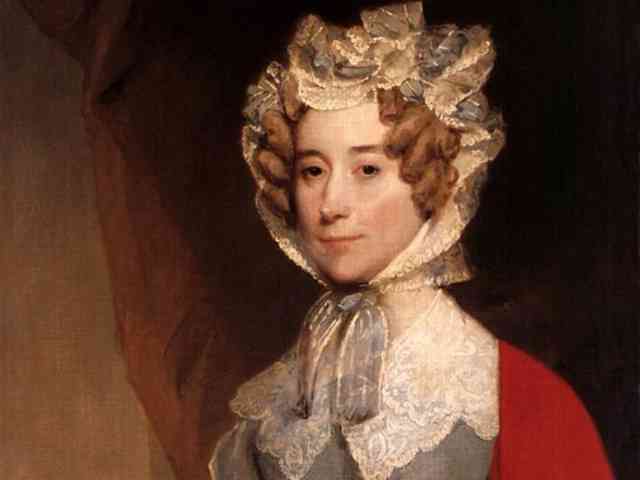
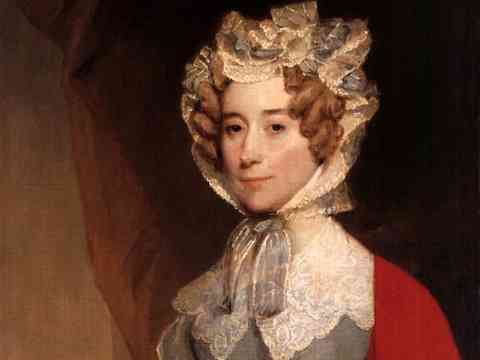
Born in Iowa in 1874, Lou Henry Hoover defied gender norms of her era, engaging in “masculine” outdoor pursuits and earning a degree from Stanford. With her husband’s work leading the family globally before his presidency, Lou honed homemaking, hosting skills, and fluency in multiple languages, epitomizing a consummate first lady. The Siena College study reflected average scores in categories like her own accomplishments, courage, and White House stewardship, yet her public image suffered, possibly due to her controversial nature in a traditional era. A proponent of physical fitness for girls, Lou, noted by the Herbert Hoover Presidential Library, broke barriers as the first lady to speak on radio and stirred attention by inviting the Black wife of a U.S. congressman to the White House, challenging societal expectations.
Edith Wilson
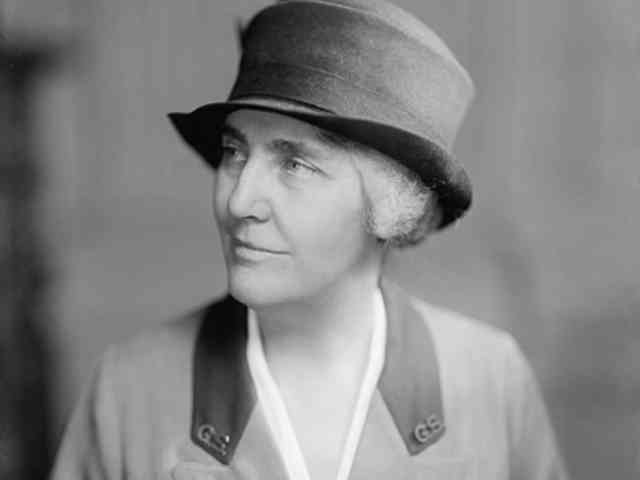
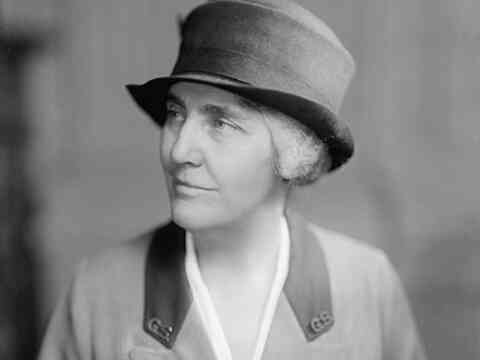
Edith Wilson, the second and younger wife of President Woodrow Wilson, entered their union after both experienced widowhood. Acknowledged as a vibrant and skilled hostess, her traditional first lady duties were eclipsed by the demands of World War I and ceased entirely when the U.S. joined the conflict. Submerging her own life to alleviate Woodrow’s stress during the war, she earned the moniker “Secret President” for managing routine government tasks following his disabling strokes. Redirecting major decisions away from him to his department heads, she scored low in integrity, reflecting her unconventional role. While her personal accomplishments ranked modestly, she fared better in Siena’s evaluations of courage and her value to the president, underscoring her pivotal but controversial influence during a critical period in U.S. history.