Wellness trends have a life cycle you can practically set a watch by: the surge of enthusiasm, the wave of merchandise, the quiet disappearance. But every so often one refuses to die on schedule. It stops being a trend and becomes furniture — something ordinary people just do. Those survivors aren’t random, and spotting the pattern is useful, because it tells you which bandwagons are worth a seat and which will be gone before the gear ships.
The Test a Trend Has to Pass
Strip away the packaging and the durable wellness trends share three traits. They’re cheap or free at their core — the gear is optional set dressing. They’re easy to keep on a bad week, because any habit that demands your best self five days in a row is living on borrowed time. And crucially, they point the same direction as boring, long-standing health guidance — the kind public health bodies have repeated for decades. Fads sell shortcuts around the fundamentals; keepers are the fundamentals wearing a new outfit. That’s the whole trick, and it makes the next section fairly predictable.
The Trends That Keep Passing It
- Everyday walking. Step goals, walking clubs, treadmill desks and walking pads — the wrappers keep changing, but underneath is the oldest advice in the book: regular movement, generally supported by decades of guidance. The wrapper will change again; the walking will stay.
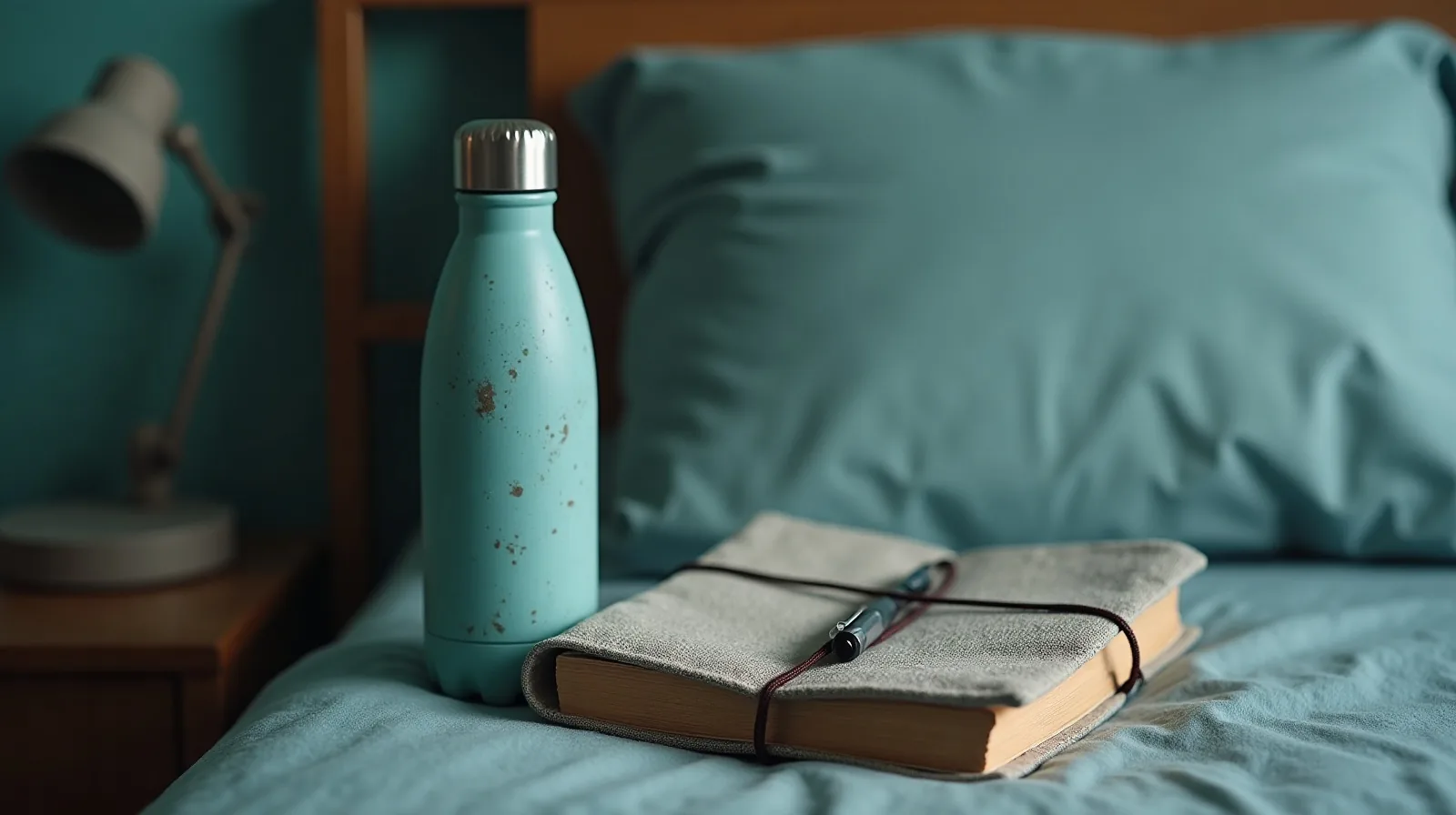
- Carrying water everywhere. The giant bottle became an accessory, which is easy to mock — but the habit it props up is simply drinking water through the day, and a visible bottle genuinely does the remembering for you.
- Taking sleep seriously. Sleep has flipped from bragging-about-less to protecting-more, and that reversal aligns with essentially everything sleep science has been saying all along. Trends that end an argument with the evidence tend to stick.
- Strength training for everyone. Once niche, now general: resistance work for ordinary adults — including older adults — matches mainstream activity guidance, which generally includes muscle-strengthening alongside cardio.
- Journaling and mental check-ins. The formats cycle — gratitude lists, morning pages, mood tracking — but a few quiet minutes of writing costs nothing and keeps proving useful enough to survive its own hype cycles.
Why the Keepers Stick
Notice what’s missing from that list: anything expensive, anything extreme, anything promising transformation by a deadline. The keepers survive because they lower the effort of something people already wanted to do, and because their props — the bottle on the desk, the shoes by the door, the journal on the nightstand — double as reminders and quiet identity markers. There’s a useful flip side: when a trend leads with a miracle claim, a strict protocol, or a cart full of required products, it’s failing the test in real time, and you can comfortably sit it out without missing anything.
How to Try One Without Buying Anything
The honest conclusion is that none of these requires a purchase. A walk needs a sidewalk; water needs any container with a lid; better sleep starts with a consistent bedtime; strength work begins with bodyweight moves in the living room; journaling needs the notebook already in a drawer. Pick the one that sounds least like a chore, try its smallest version for a couple of weeks, and let the gear stay optional. One measured caveat, because several of these touch health directly: if you have a medical condition, take regular medication, or are planning a real change to your exercise or diet, a quick check-in with your doctor first is the unglamorous step worth taking — no trend is so durable that it skips that line.