Home-improvement daydreams tend to be expensive: the gutted kitchen, the spa bathroom, the addition. But the version of your home that impresses a buyer is usually built out of much smaller stuff. Major remodels rarely return their full cost at sale, while modest, maintenance-level upgrades punch far above their price — because they change the story the house tells from “needs work” to “cared for.” What follows is general guidance, not appraisal or financial advice; every market rewards different things. But the pattern below holds almost everywhere.
Think Like a Buyer, Not a Renovator
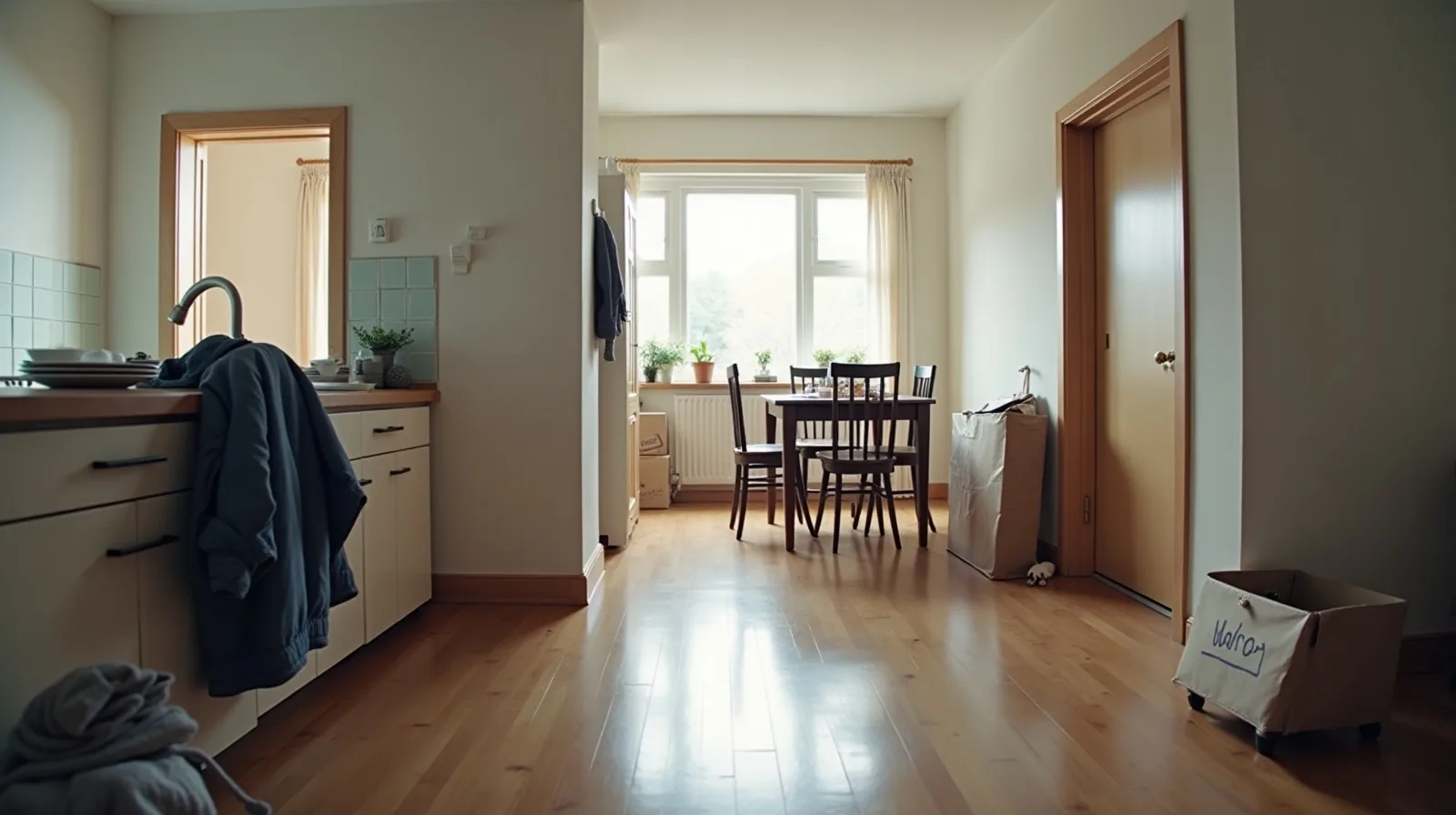
Buyers don’t tally a home’s features — they subtract for its flaws, and they subtract generously. A dripping faucet is a twenty-minute fix, but to a stranger walking through, it whispers a question about everything they can’t see: the roof, the wiring, the water heater. That’s the asymmetry worth exploiting. Small visible problems cost little to fix and a lot to leave, while small visible upgrades — matching finishes, fresh paint, bright rooms — quietly vouch for all the invisible systems. Before spending anything, walk your own house the way a stranger would, front walk to back fence, and write down everything that snags your eye. That list is the project.
Start at the Front Door
Opinions about a house form in the first minute, mostly outdoors, so the front entry earns its budget line first. A freshly painted or refinished front door, new house numbers, a working porch light with a bright warm bulb, a clean doormat, trimmed edges along the walkway, and mulch that isn’t gray with age — together they cost a weekend and a modest pile of supplies, and they set the tone for every room that follows. If the doorbell doesn’t work, fix it; it’s the first thing a visitor touches.
The Small Swaps Buyers Register
Inside, the highest-return work is a series of afternoons, not a contractor:
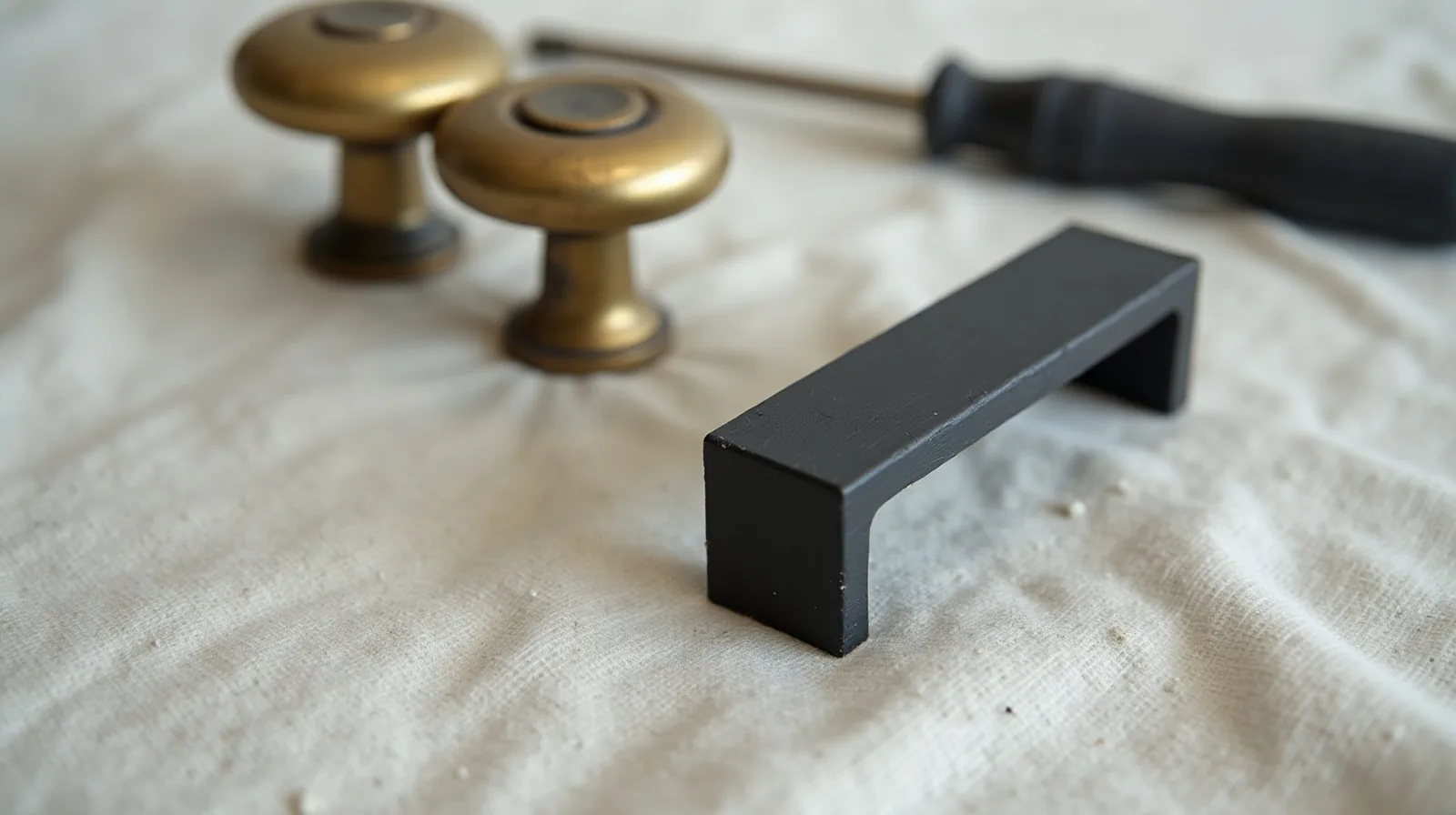
- Hardware. Mismatched, painted-over, or dated knobs and handles age a whole house. A cordless drill and a set of matching door and cabinet hardware modernize every room they touch in a day.
- Fresh neutral paint. The most repeated advice in real estate because it keeps being true — per dollar, nothing else makes a home feel newer, brighter, and bigger.
- Lighting. Swap the dated fixtures, then put bright bulbs in every socket and match their color temperature room to room. Dim, mismatched light reads as gloomy even at noon.
- Caulk and grout. Re-caulking a tub and refreshing tile grout makes a tired bathroom read close to renovated for the price of a few supplies.
- Fix the nagging little failures. Sticking doors, dripping taps, cracked switch plates, torn screens — each one is small, and each one subtracts more than it should.
Know Where the Money Stops Helping
The trap on the other side is over-improving: highly personal upgrades — bold tile, luxury appliances in a modest home, a converted garage — often return little because the next owner would have chosen differently. As a rule of thumb, spending that moves a home toward clean, bright, neutral, and maintained tends to pay; spending that moves it toward your specific taste tends not to. And because the exceptions are local — some markets do reward a second bathroom or central air — it’s worth a conversation with a local real-estate professional before any four-figure project if selling is on the horizon. They’ll know what your street actually pays for, which is knowledge no general article can supply.