“Say sorry to your sister.” Most parents have said it, and most kids have answered with a mumbled, eye-rolling version that satisfies nobody. A demanded apology tends to teach a child that the goal is to make the grown-up stop talking, not to notice that someone was hurt. Real apologizing is a skill built in small pieces, and it starts well before the words themselves.
Why Forced Apologies Fall Flat
Young children are still developing the ability to take another person’s perspective, so a scripted “sorry” often has no feeling behind it. Pushing for one in the heat of the moment can also add shame on top of an already big emotion, which makes a child more defensive rather than more thoughtful. Child-development guidance generally points toward a different order: let everyone calm down first, then help the child connect what they did to what the other person felt, and only then invite the apology.
The Four Parts of a Good Apology
A useful apology has more in it than one word, and each piece can be coached separately. Kids who are new to this can practice the pieces one at a time, and older kids can usually handle all four together.
- Pause first. Wait until the body is calm enough to think, which may take a few minutes or an hour.
- Name what happened. “Sorry for knocking over your tower” says far more than a bare “sorry.”
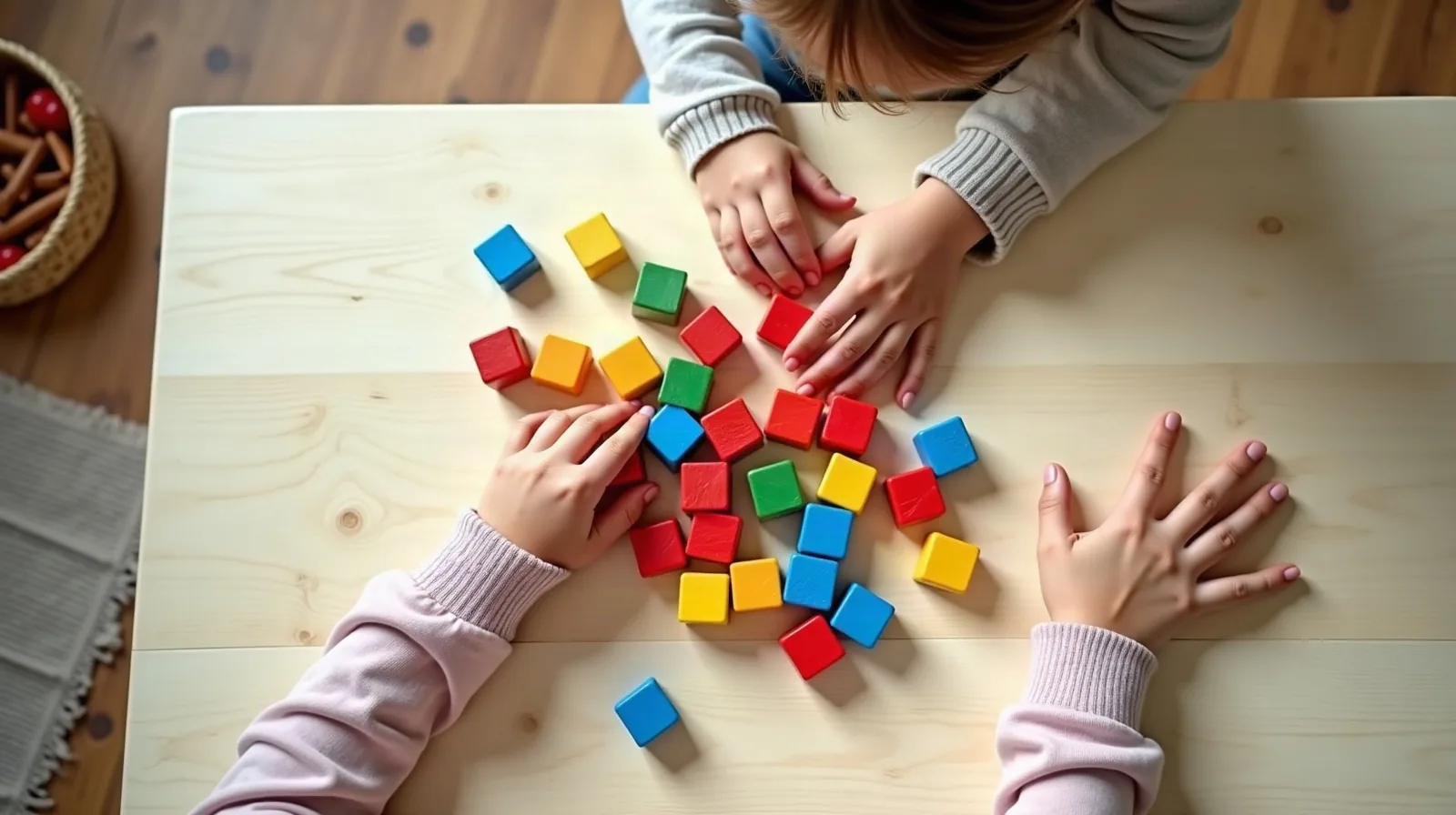
- Repair it. Help rebuild the tower, offer a turn, or draw a replacement picture.
- Plan for next time. One concrete idea, such as asking before borrowing, beats a vague promise to be better.
It also helps to separate the apology from the lesson. Right after a conflict is rarely the moment for a long talk about feelings, and a child who is still upset will tune it out. A short check-in later, at bedtime or during a walk, lets the conversation stay curious instead of accusing: what happened, how the other child might have felt, and what could go differently next time.
Repair Matters More Than the Words
Of the four parts, repair is the one that does the most work. It gives a child something active to do with the guilt, and it shows the other person that the apology is more than a sound. Small, proportionate repairs work best: wiping up the spill, sharing a favorite toy for a few minutes, or writing a quick note. Repairs should never feel like punishment, so keep them short, and let the hurt child decide whether they want a hug or simply some space.
Model It and Keep It Light
Kids learn apologizing mostly by watching. When a parent snaps at dinner or forgets a promise, a quick, specific apology, such as “Sorry for raising your voice earlier; that was not fair to you,” does more teaching than any lecture. Praise the effort when a child makes a genuine attempt, even a clumsy one, and resist correcting the wording on the spot. It also helps to keep expectations realistic by age: toddlers may only manage a pat or an offered toy, while school-age kids can handle the full sequence. If a child seems unable to feel remorse at all, or aggression keeps recurring, a conversation with a pediatrician or child therapist is a sensible next step.