The night felt fine. Sleep came easily, the room stayed quiet, and the morning arrived without much struggle. Then the wrist band syncs, the app opens, and the score says 61 — poor efficiency, not enough deep sleep, a restless stretch at 3 a.m. that went unnoticed at the time. A perfectly ordinary night has just been reclassified as a bad one, and the tiredness that follows feels suspiciously like it started with the number rather than the sleep. That loop has a name, and it is worth understanding before buying another tracker.
When the Score Becomes the Symptom
Sleep clinicians began describing a pattern a few years ago: people arriving at appointments distressed about their sleep, holding months of tracker data, and reporting symptoms that the data itself seemed to be driving. The informal term for it is orthosomnia — an anxious pursuit of perfect sleep numbers that ends up disturbing sleep. The mechanism is not mysterious. Worrying about sleep is one of the more reliable ways to make sleep worse, because the effort of trying to fall asleep is arousing rather than calming. A nightly score gives that worry a scoreboard, a place to check, and a fresh reason to lie there taking inventory of how the night is going.
What a Tracker Can and Cannot See
A consumer wearable is not measuring sleep directly. It is measuring movement, heart rate, sometimes skin temperature or breathing rate, and then running those signals through an algorithm that estimates what was happening. Research comparing wearables to clinical sleep studies generally finds them reasonable at the broad strokes, roughly when sleep started and roughly how long it lasted, and considerably shakier at splitting the night into stages. Light, deep, and REM figures are estimates, and different devices reading the same night will disagree with each other. None of this makes a tracker useless. It makes it a rough weekly trend line rather than a nightly verdict, and it certainly does not make it a diagnostic tool.
Using One Without Letting It Use You
The device is not the problem; the relationship with it usually is. A few rules keep it in a useful place:
- Look weekly, not nightly. Check the trend on a fixed day and skip the morning-after readout entirely. One night carries almost no information.
- Judge the day, not the score. Energy, mood, and focus during waking hours are better evidence about sleep than any figure produced overnight.
- Turn off what you cannot act on. Stage breakdowns and readiness scores mostly generate worry; bedtime consistency and total sleep time are things behavior can change.
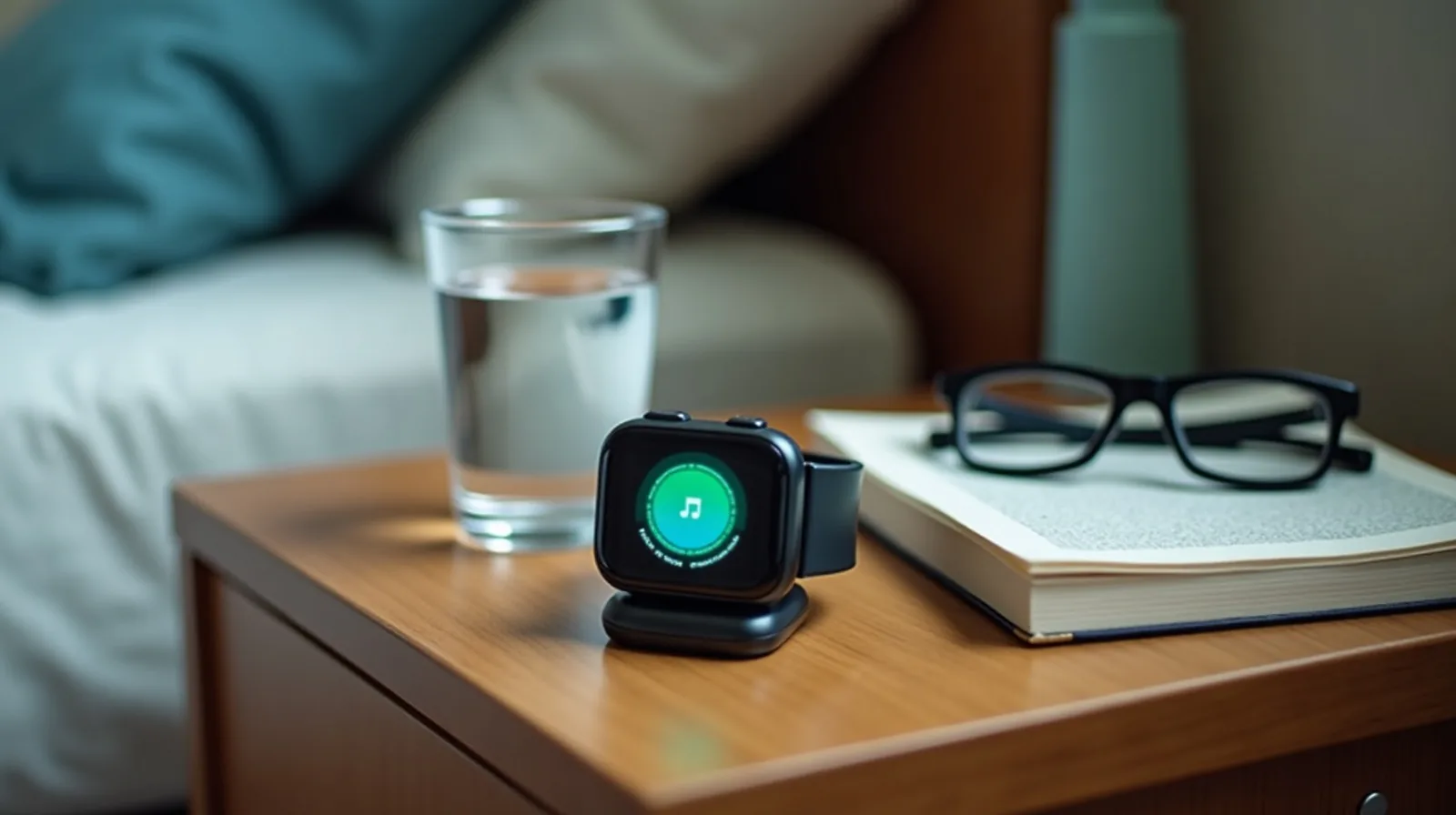
- Keep the phone out of the bed. Checking the score at 3 a.m. converts a normal night waking into an awake, alert, calculating half hour.
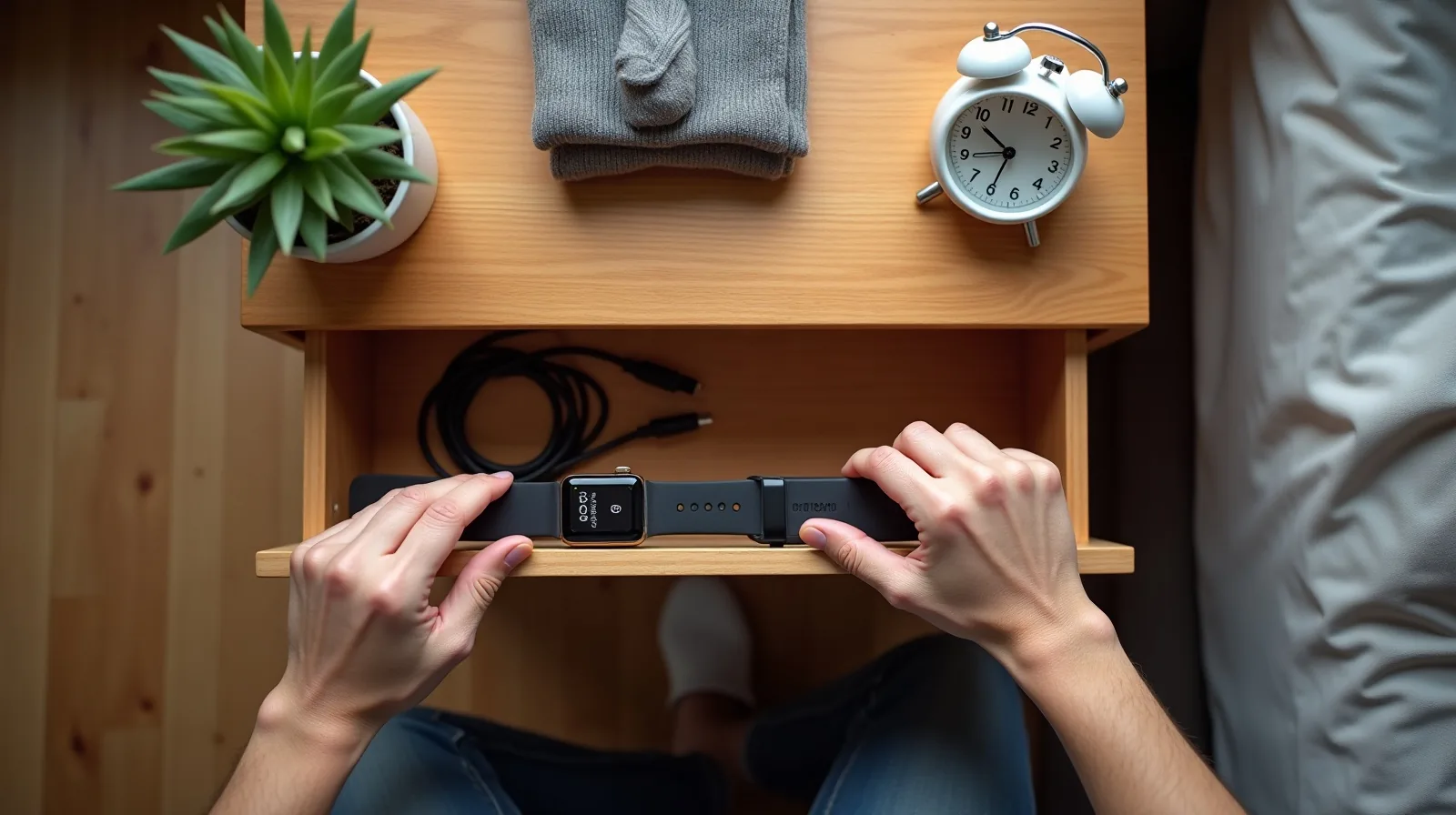
- Take a break when it starts to nag. If the number is the first thought of the morning or the last of the evening, the tracker has stopped reporting on the problem and started being it.
Try a Week Without the Number
A useful experiment is to keep wearing the device but hide the score, or set it aside for a week and pay attention to how the days actually feel. Most people find the difference between a “62” night and an “88” night is smaller than the app implied. Meanwhile the boring behaviors still matter: a consistent wake time, daylight early on, a wind-down that does not involve bright screens, and a bedroom kept cool and dark. Public health guidance generally points toward those basics rather than toward optimization. And if sleep stays genuinely poor for weeks, or a partner notices loud snoring or pauses in breathing, that belongs with a doctor rather than an app — structured behavioral treatment for insomnia and evaluation for sleep disorders are what clinicians reach for, and neither can be replaced by a wristband.