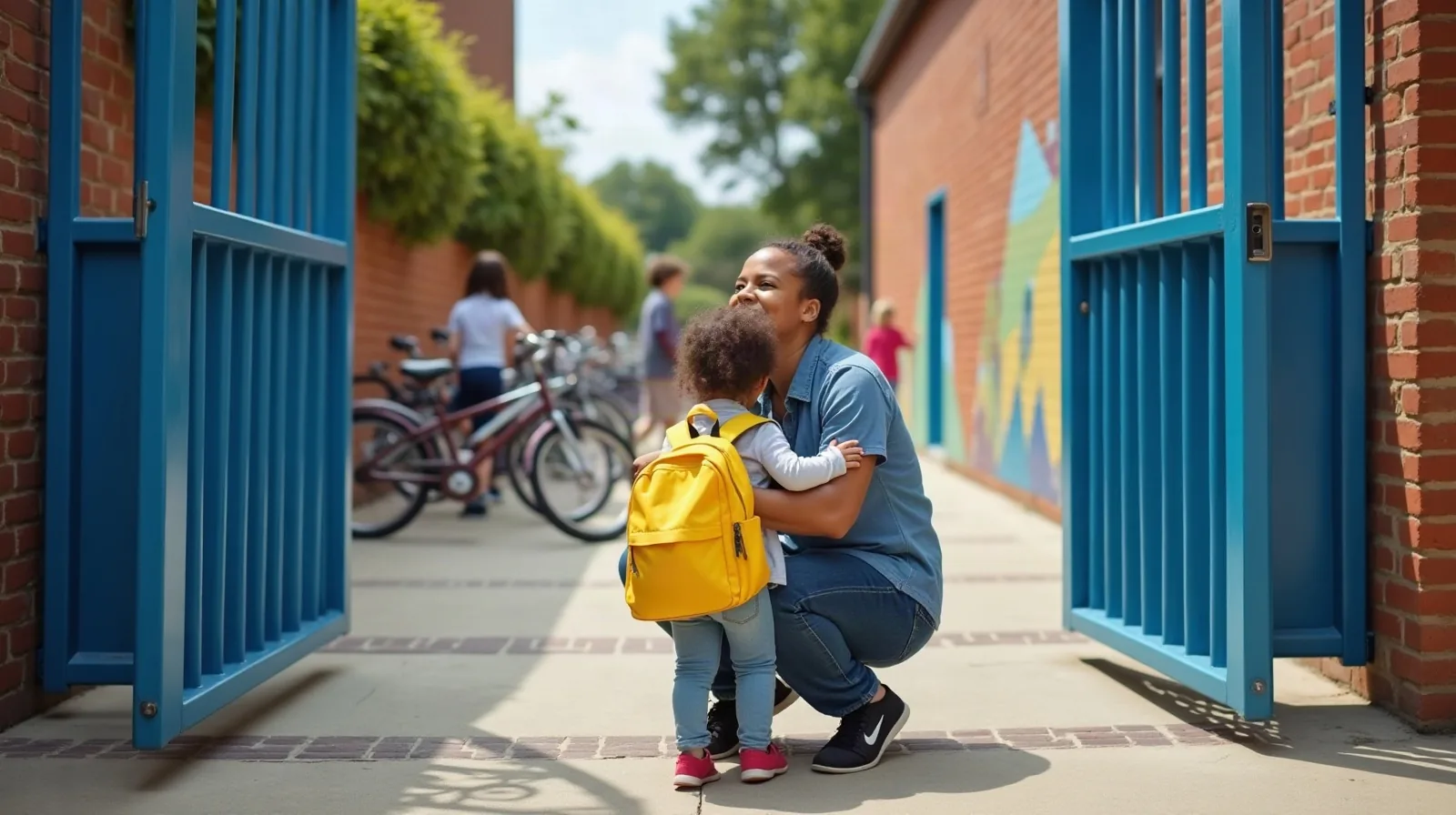
The backpack is on, the shoes are tied, and then the grip tightens at the school gate. Tears and clinging at drop-off are among the most common parenting scenes, and they can make the walk back to the car feel awful. The good news is that goodbyes tend to get easier with a steady routine, and a few small habits can speed that along.
Why Goodbyes Feel So Big
For young children, being apart from a trusted adult is a real adjustment. Child-development guidance generally describes separation distress as a normal stage that often shows up around new transitions: a first school year, a new classroom, a return after a break, or a change at home. Little kids also have a loose grip on time, so “back at pickup” does not mean much until it has happened a few times.
Many children cry hard at the gate and then settle within minutes once the day starts. Knowing that can help a parent hold steady, because a child reads the grown-up’s face closely and borrows its calm.
Build a Short, Predictable Goodbye
A goodbye that is the same every day gives a child something to lean on. The goal is brief and warm, not long and drawn out, since lingering usually stretches the distress rather than easing it.
- Practice at home first. Short separations, such as a few minutes in another room, let kids rehearse coming back.
- Pick one ritual. A special handshake, two hugs and a wave, or a squeeze-and-count works best when it never changes.
- Say where you are going and when you will return. “Pickup is right after snack time” is easier to picture than “later.” Tie the return to something in the daily rhythm.
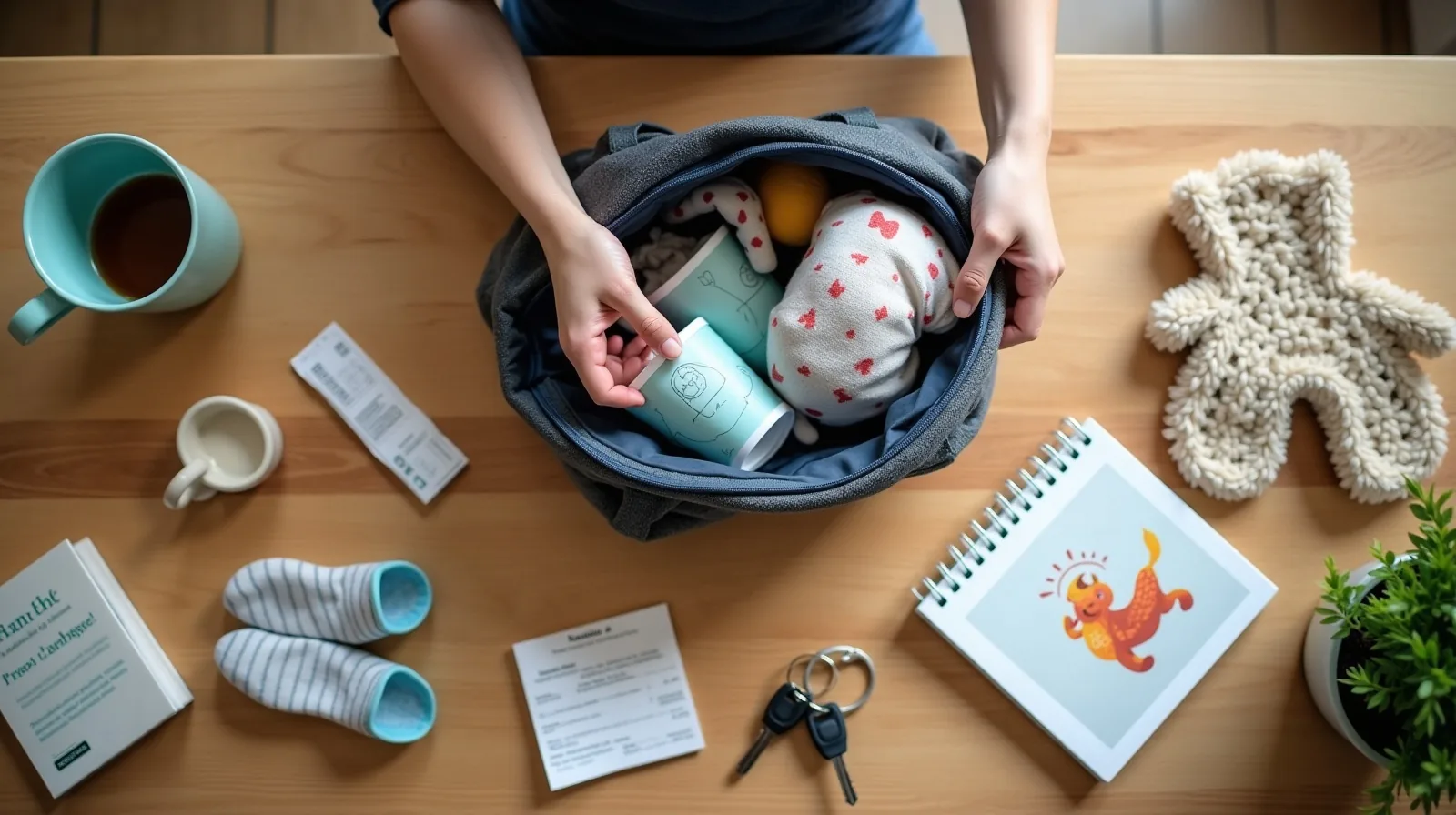
- Offer a small comfort. A tiny keepsake in a pocket or a drawing tucked in the backpack gives a child something to touch.
- Hand off to a friendly adult. A teacher who greets the child by name can take over while the parent leaves.
Leave Calmly, Then Actually Leave
The hardest moment is the exit. Sneaking away tends to backfire because the child learns to watch for a disappearing parent, so a clear goodbye is kinder. Acknowledge the feeling in a sentence, “It is hard to say goodbye, and you will have fun,” complete the ritual, and go. Coming back for a second round usually restarts the tears.
Afterward, a quick check-in with the teacher can ease the parent’s worry too. Many teachers will say how long the crying lasted, and the answer is often shorter than expected. At pickup, keep the reunion simple and warm, and skip a long cross-examination about the day.
Consistency across the adults in a child’s life matters here. When both parents, a grandparent and a sitter all use the same goodbye words and the same ritual, the child meets one clear script instead of four, and the pattern settles in sooner. A few weeks of sameness usually does more than any single clever trick.
When to Look Closer
Most drop-off distress improves over a few weeks as the routine settles. It is worth talking with a pediatrician or a school counselor if distress is intense or lasts for many weeks, comes with stomachaches, trouble sleeping or refusing school, or seems to be getting worse. A qualified professional can look at the whole picture and suggest steps that suit your child.