By six in the evening the hard thinking is usually done, and yet the question that stalls everything is what to have for dinner. That mismatch is familiar to anyone who has stood in front of an open fridge feeling genuinely unable to choose. Big decisions get attention and preparation. The small ones arrive constantly, unannounced, and each one takes a small toll that nobody budgets for. The fix is not more willpower. It is arranging life so that fewer choices need making in the first place.
Why Small Choices Cost So Much
Research on decision fatigue is genuinely mixed, and the strong early claims about a fixed daily supply of willpower have not held up cleanly. What does hold up is more ordinary: choosing takes attention, attention is limited within a given stretch of time, and the quality of choices tends to drift as the day goes on. Late decisions skew toward whatever needs the least effort, which is why the takeaway menu wins at seven o’clock and never at nine in the morning.
The number matters more than the difficulty. What to wear, which route to take, when to answer a message, what to eat, which task to start — individually trivial, collectively a constant low tax. Removing the trivial ones frees room for the choices that actually deserve thought.
Build Defaults and Uniforms
A default is a choice made once and then left alone. The most familiar version is a work uniform: three or four outfits that all work, worn in rotation, no morning deliberation required. It does not have to be identical clothes. It only has to be a small set that always works.
The same logic extends everywhere. A standing breakfast eaten most days. One coffee order. A regular seat, a regular gym slot, a standing weekly call at a fixed time. Defaults feel restrictive in the abstract and turn out to be the opposite in practice, because the freedom people usually want is freedom from deciding, not freedom to decide again every single morning.
Decide Once for Everything That Repeats
Anything that comes back on a schedule can be answered permanently instead of repeatedly. The trick is to notice the repeat and write the rule down where it will be seen.
- Batch the same kind of decision together. Plan a whole week of dinners in one sitting rather than answering the question seven separate times.
- Turn recurring choices into rules. Groceries arrive on the same day. Bills are paid the day after payday. Laundry runs on the same two evenings.
- Shrink the option set. A rotation of ten dinners, three breakfasts, and two lunches covers most weeks. Novelty can live in the weekend, where there is room for it.
- Set a threshold for small purchases. Below a fixed amount, buy it and move on. Above it, wait a day. Deliberating over minor spending costs more than the money involved.
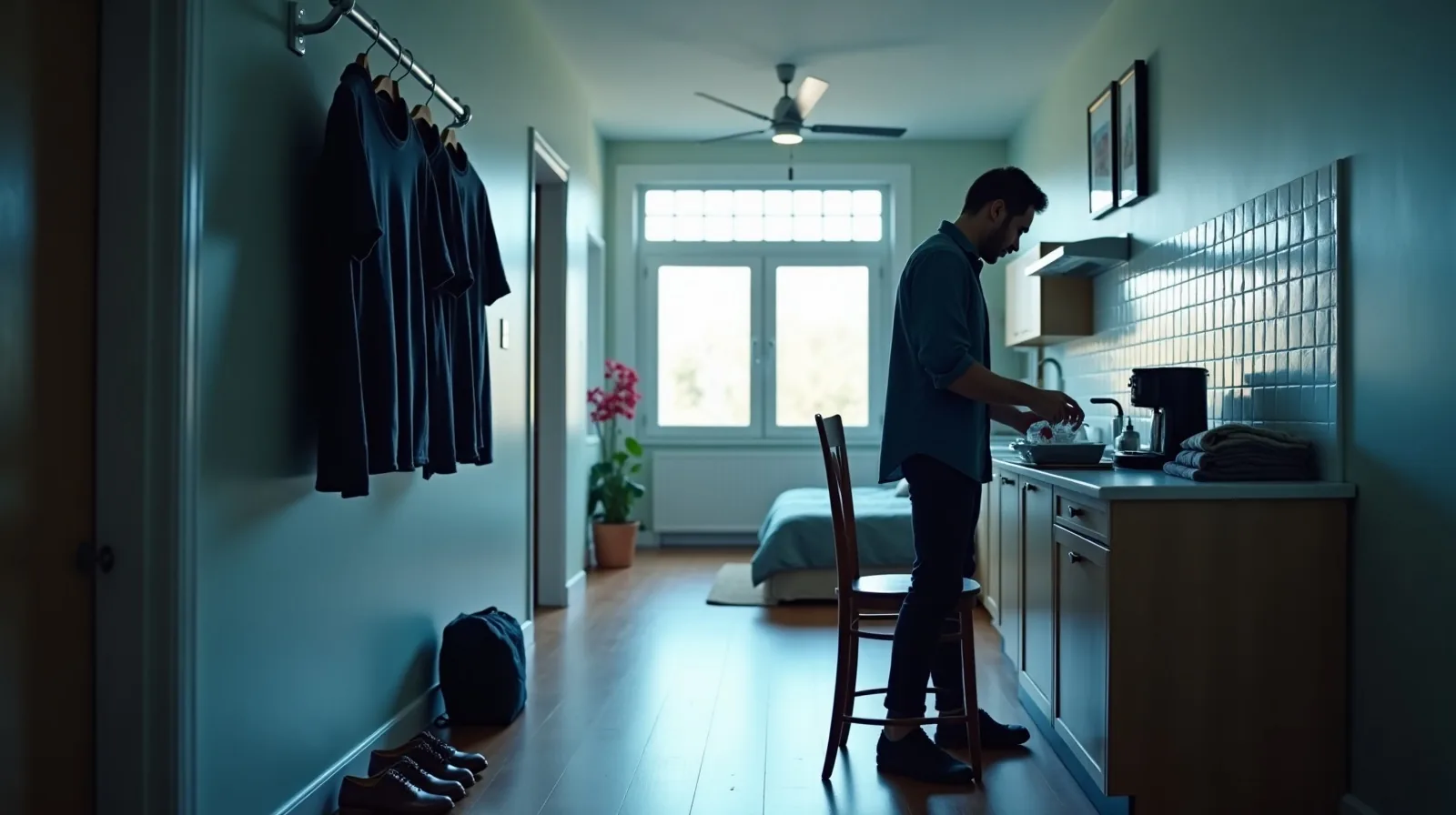
- Prepare the next morning the night before. Bag packed, clothes out, first task written on a card. The evening version of you is deciding on behalf of a version with less capacity.
Protect the First Hour
The start of the day is the most valuable stretch of attention most people get, and it is routinely spent on the least valuable choices: what to look at, what to reply to, what to wear, what to eat. Every default built the night before hands that hour back.
Practically, that means a fixed opening sequence with no branches in it. Same wake time, same first three steps, first work task chosen yesterday rather than this morning, phone left out of the routine until the sequence is finished. Some people also find that a persistently foggy, exhausted morning is not a scheduling problem at all — if fatigue or difficulty concentrating is a steady pattern rather than a busy week, it is worth raising with a doctor. For everyone else, the aim is simply to arrive at the first real decision of the day with the small ones already handled.