The pull-up is the exercise people point to when they want a quick read on strength, and it humbles almost everyone the first time. Hanging from a bar and pulling the chin over it asks the back, arms, shoulders and grip to lift the entire body at once, with no way to scale the load down on the spot. The good news is that the move breaks into smaller steps, and each one builds the strength the next step needs.
Why the First Pull-Up Is So Hard
Most exercises can be made lighter by changing a weight. A pull-up cannot, because the load is body weight. That is why a person who rows or carries groceries comfortably can still fail to leave the floor on a first attempt. Three things usually hold it back: grip that tires before the back does, shoulder blades that have not learned to engage, and pulling muscles that are simply not yet strong enough for a full range. Training the pieces separately is far more productive than repeating failed attempts.
The Progression Ladder
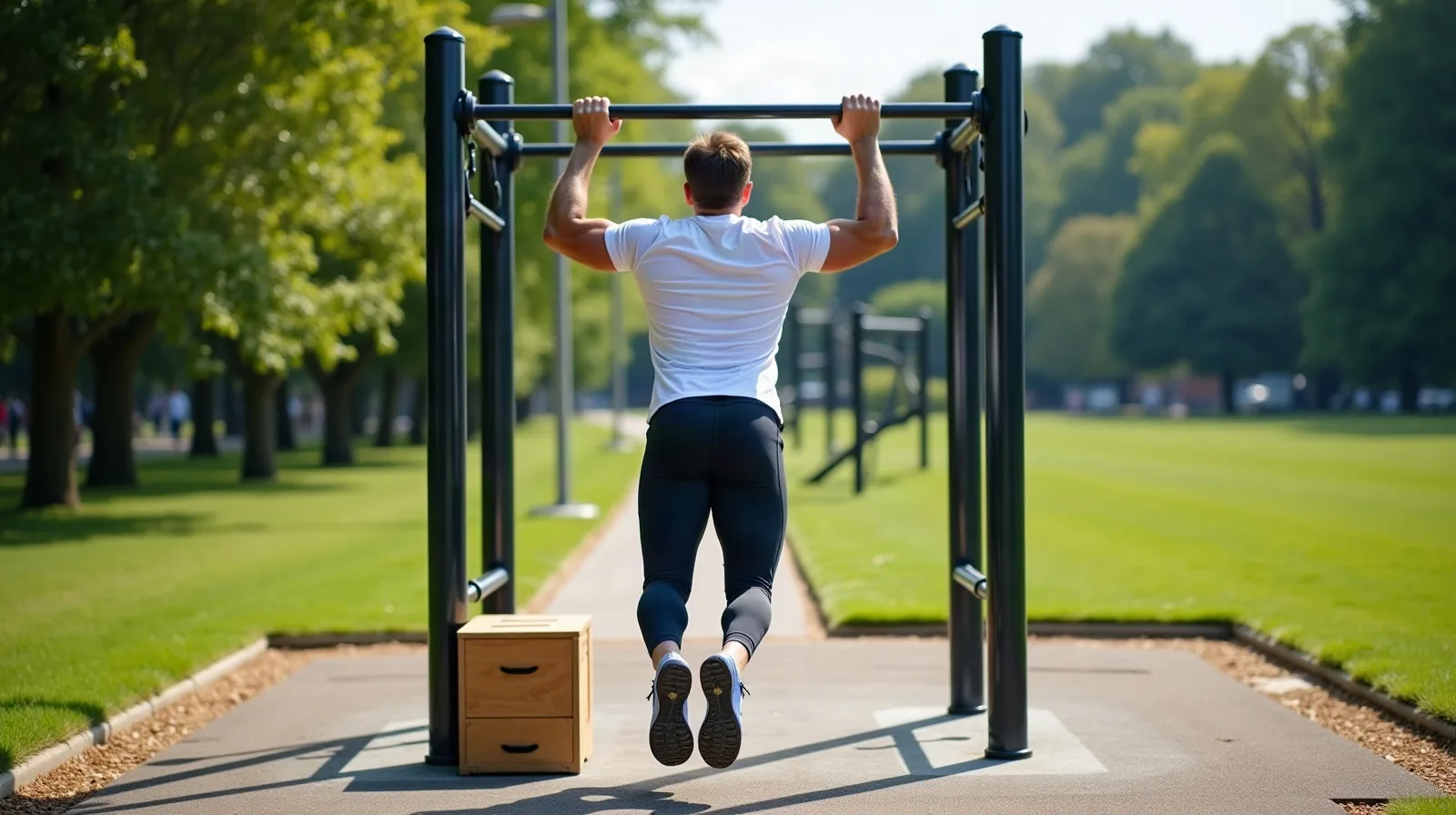
A sensible path moves through four rungs, spending as long on each as it takes to feel steady. First comes the dead hang: simply holding the bar with straight arms for a few breaths, which builds grip and gets the shoulders used to bearing weight. Second is the scapular pull, a small move where the arms stay straight and the shoulder blades draw down and back, lifting the body a couple of inches. Third is the negative, where a step or box gets the chin over the bar and the lowering takes three to five slow seconds. Fourth is the assisted pull-up, using a thick resistance band looped over the bar or a foot on a low support, so the legs take just enough load to finish the rep.
Each rung teaches a different piece of the full movement. Once the negatives feel controlled and the assisted version is smooth, the unassisted pull-up is usually only a matter of time and patience.
Building It Into a Week
Two or three short sessions a week, with a rest day between, tend to work better than daily attempts, because the pulling muscles and tendons recover on their own schedule. A simple session is a few sets of whichever rung is the current challenge, stopping each set a rep or two before form breaks down. Adding a row variation, such as pulling the chest toward a low bar or a sturdy table edge, gives the back extra volume without taxing the grip. When a rung starts to feel easy across all sets, it is time to move up, not to add endless repetitions.
Anyone with a shoulder, elbow or wrist problem, or who is new to exercise after a long break, should check with a doctor or a qualified trainer before starting. Hanging loads the joints in a way most daily activity does not.
Common Stalls and How to Fix Them
Progress rarely moves in a straight line. A few patterns come up again and again, along with simple fixes:
- Grip gives out first. Add more dead hangs, and shorten the time between them rather than forcing longer holds.
- Swinging or kicking to finish reps. Slow the negatives down and keep the legs still, so the back does the work.
- Shoulders creeping up to the ears. Practice the scapular pull until drawing the shoulders down feels automatic.
- Elbow or shoulder soreness. Back off to an easier rung, rest for a few days, and have persistent pain looked at by a professional.
- Stalling for weeks. Add a second weekly session, or sleep and eat a little more, since strength gets built during recovery.
Patience matters more than intensity here. A rung that takes a month is still a month of steady progress, and the strength it builds carries into carrying, climbing and everyday lifting.