Organizing content has become its own entertainment genre — rainbow pantries, whisper-quiet restocking videos, carts full of matching bins. It’s easy to dismiss as aesthetic theater, but underneath the performances sit a handful of genuinely useful ideas, and they matter most in small homes, where every system either earns its space or becomes clutter with a label on it. The trends worth taking are not products; they’re ways of thinking about space. Borrowed properly, they can make the same square footage feel noticeably bigger — without a renovation, and mostly without a shopping trip.
Small Rooms Don’t Run Out of Space — They Run Out of Calm
A small room rarely feels small because of its dimensions; it feels small because the eye has nowhere to rest. Every visible object — the mixed packaging on open shelves, the counter that quietly became storage, the cords, the pile — is something your brain registers and files, and dozens of little registrations add up to a reading of “cramped.” That’s why the current crop of organizing trends, whatever their nicknames, mostly converge on the same two moves: get things off horizontal surfaces, and reduce what the eye has to process. Space, it turns out, is partly a visual effect — and visual effects can be arranged.
Five Trends Worth Borrowing
Strip away the packaging and these are the ideas that hold up:
- Vertical thinking. Floor space is the scarcest resource in a small home, so storage climbs: wall rails, over-door racks, tall shallow shelving, and hooks anywhere a hook fits.
- The zone method. Every activity gets exactly one home — coffee things in one spot, mail in another — instead of each category scattered across three rooms. Finding replaces searching.
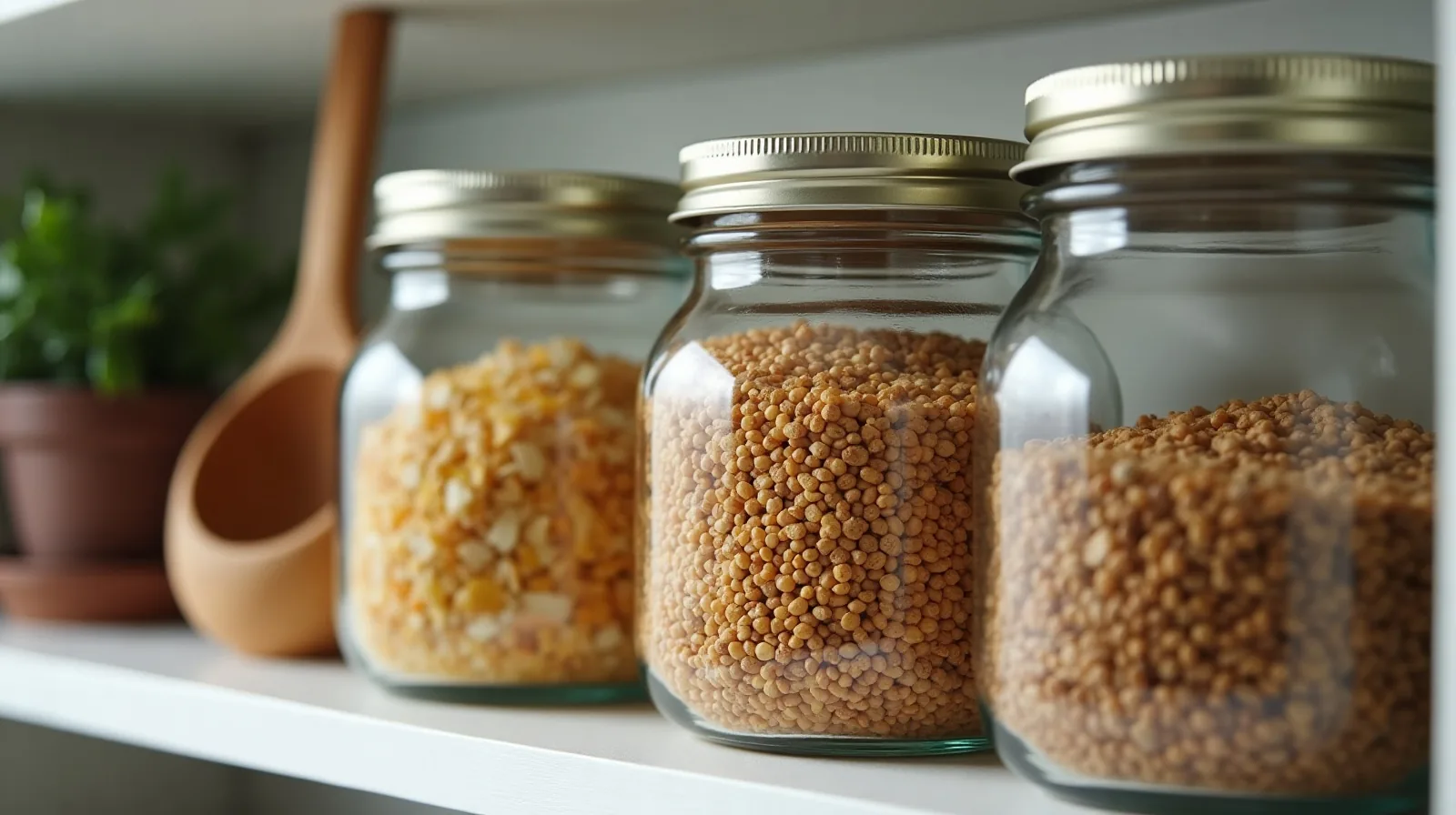
- Visual quiet. Closed storage where possible, a limited palette, and uniform containers where things must stay out. Fewer visual events per wall reads as a calmer, bigger room.
- Double-duty furniture. The ottoman that swallows blankets, the bed with drawers beneath, the bench that holds shoes — in a small home, furniture that does only one job is a luxury.
- Edit before you organize. The quiet counter-trend to the shopping haul: declutter first, then containerize what survives. Organized clutter is still clutter.
Why the Aesthetic Part Actually Matters
It’s tempting to write off the visual-quiet trend as vanity, but in a small home it’s structural. A large house can absorb visual noise — there’s always another room. A small one has no buffer: the kitchen is visible from the sofa, the desk lives in the bedroom, and every surface sits in someone’s sightline all day. That’s why decanting the five things you use daily into matching jars, or committing to one bin color instead of four, pays a disproportionate dividend in a studio compared to a sprawling pantry. You’re not styling for a camera; you’re turning down the room’s volume.
Try a Trend Without Buying a Haul
The failure mode of every organizing trend is buying the containers first. Run it in reverse: pick one cabinet or one zone, empty it completely, edit hard, and prototype the system with what you already own — shoeboxes as drawer dividers, a plate standing in for a turntable, painter’s tape marking the zones. Live with the prototype for two weeks. If the system holds, buy the nicer version in the sizes you now know you need; if it collapses, you learned that for free. One cabinet done completely beats a whole kitchen done shallowly — and it’s the version of the trend that still works when nobody’s filming.