Weekday breakfast fails for a structural reason, not a willpower one: it’s scheduled at the single worst moment of the day — when you’re groggy, the clock is meanest, and four other people’s mornings are colliding with yours. The fix isn’t resolving to wake up earlier. It’s moving the cooking to a time when cooking is easy — ten unhurried minutes on Sunday — so the weekday version of breakfast is just retrieval. The catch: not everything survives five days in a fridge. Make-ahead breakfast lives and dies on choosing formats that actually keep.
Mornings Are the Wrong Time to Cook
Any weekday system that depends on morning decisions will eventually lose to the snooze button — decision-making is exactly what mornings are worst at. The make-ahead move eliminates the decision along with the cooking: breakfast already exists, portioned, one per container, visible on the fridge shelf. That visibility matters more than it sounds. A prepared breakfast you can see when the door opens gets eaten; one buried behind the leftovers quietly dies there. Front shelf, eye level, one grab — that’s the whole morning routine.
The Formats That Keep
Five formats cover nearly every taste, and all of them genuinely hold up:
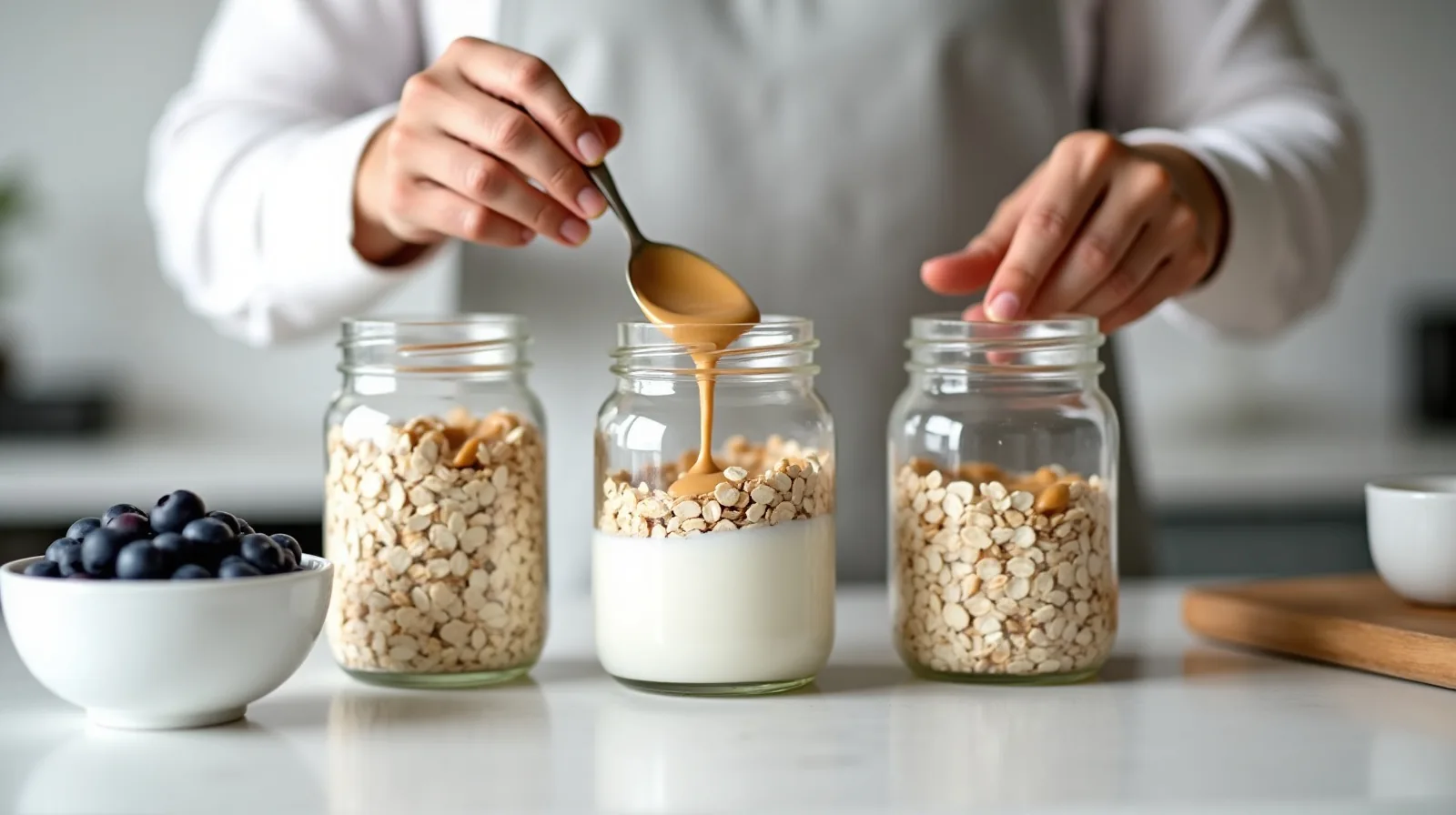
- Overnight oats. Oats, milk of your choice, and a spoon of nut butter or seeds in a jar — five minutes makes five jars, and they only improve by day three. Add crunchy toppings in the morning, not the jar.
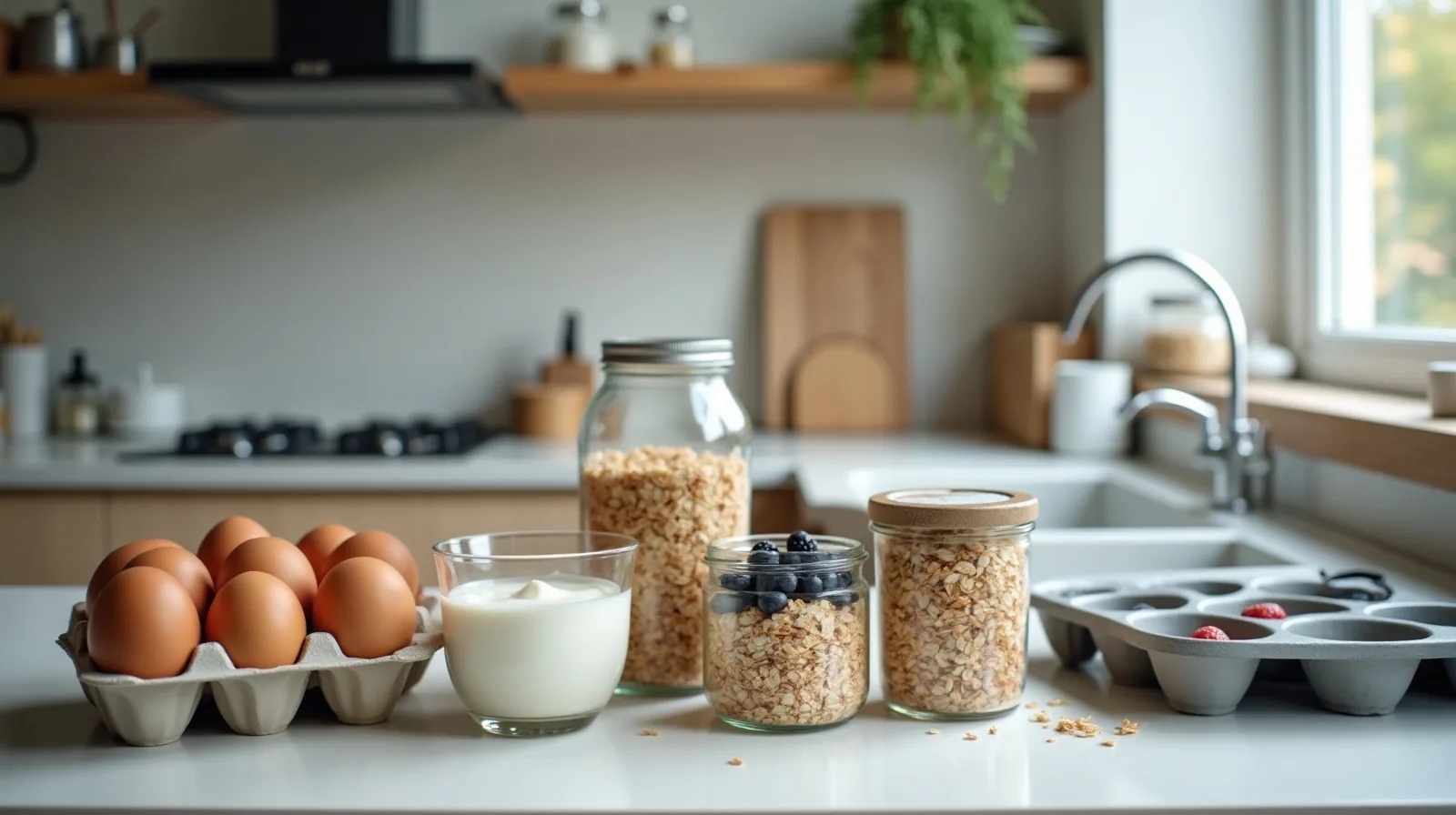
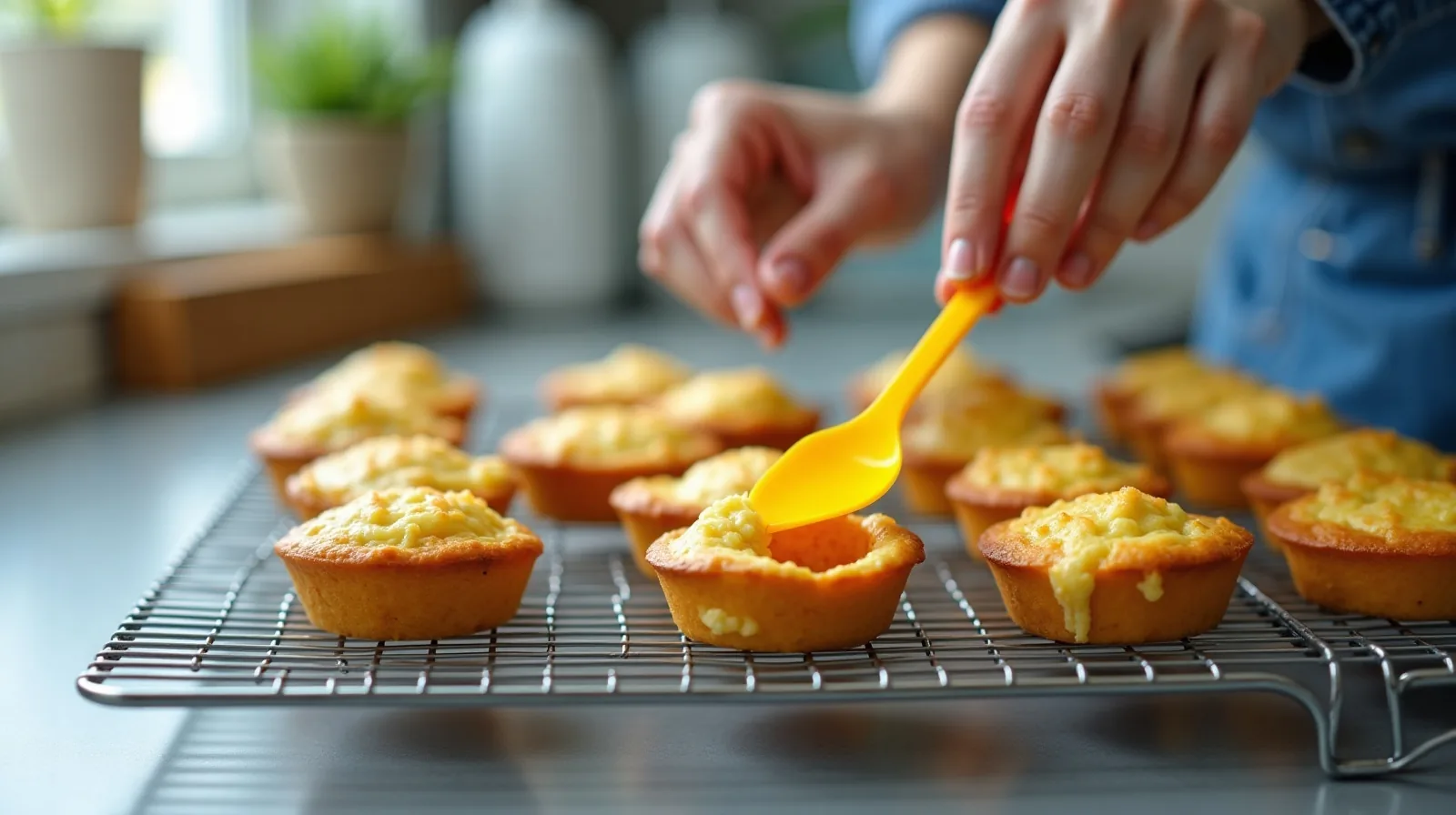
- Egg bites or frittata squares. Eggs plus whatever vegetables and cheese are around, baked in a muffin tin, reheated in under a minute. The savory anchor of the whole system.
- Baked oatmeal. One pan, sliced into squares that reheat soft or travel solid. The coziest of the bunch in winter.
- Freezer breakfast sandwiches or burritos. Assemble a batch, wrap individually, freeze — a genuinely hot breakfast on the worst possible morning.
- Yogurt parfait jars. Yogurt and fruit layered ahead; granola stays in its own container until the last second so it never goes soggy.
The Ten-Minute Sunday Assembly Line
Batch one or two formats, not all five. Line up the week’s containers on the counter and work in passes — oats into every jar, then liquid, then extras, lids on, fridge. Making five of one thing takes barely longer than making one, because the setup and cleanup happen once. Pair a fridge format with a freezer format and you’ve covered both the normal mornings and the catastrophic ones. Label lids with a day if that helps the household self-serve; the goal is a system that works when you’re not supervising it. As with any batch cooking, basic food-safety sense applies — cool things before lidding, and keep the fridge window to about four or five days.
Keep It From Getting Boring
Make-ahead systems don’t usually die of failure; they die of monotony — usually about week three. The fix is to keep the format and rotate the flavor: the same oats jar reads completely different as apple-cinnamon than it did as berry, and egg bites reinvent themselves with whatever the vegetable drawer offers. Buy one new topping or fruit each grocery run and let it headline the week. And if you’re managing specific dietary needs or a health condition, treat all of this as format logistics, not nutrition advice — your doctor or a registered dietitian is the right guide for what goes in the jars.