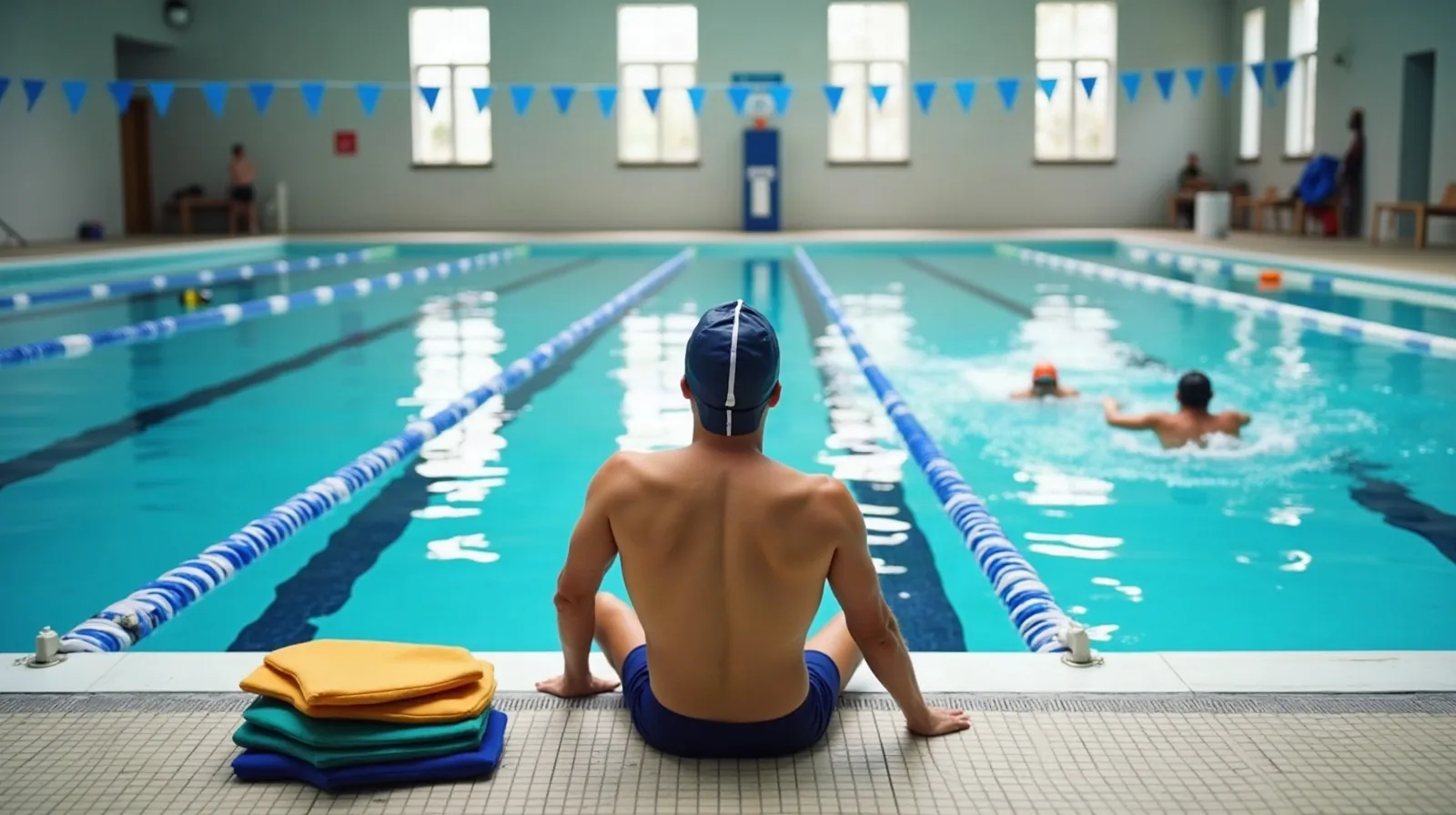
A lap pool can look intimidating from the deck: lane ropes, fast swimmers, a clock ticking on the wall. Yet swimming is one of the most forgiving ways to get fit, and most beginners can build a comfortable routine in a few weeks. The trick is to treat the first sessions as practice, not a test, and to let short lengths with plenty of rest do the early work.
Why the Pool Works for So Many Bodies
Water carries much of your body weight, so swimming trains the heart, lungs and muscles without the pounding of running or jumping. That makes it a popular choice for people with stiff joints, those carrying extra weight and anyone easing back into exercise. Public health guidelines generally point toward a mix of regular moderate activity and some muscle work each week, and steady laps can count toward both.
It is still real exercise. Swimming raises the heart rate, and cold water or unfamiliar breathing can feel like a lot at first. Anyone with a heart or lung condition, a recent injury or other health concerns should check with a doctor or a qualified professional before starting a new swim routine.
Your First Few Sessions
Start in a lane marked for slower swimmers, or ask staff which lane suits beginners. Swim one length at an easy pace, then stop at the wall and rest until your breathing settles. Repeat that pattern for fifteen to twenty minutes and call it a session. Any stroke counts, including a relaxed breaststroke or backstroke.
When single lengths feel calm, swim two before resting. Mix in lengths with a kickboard, which lets you work the legs and practice breathing without worrying about the arms. Over the following weeks, link more lengths together. Progress comes from shorter rests and longer stretches, not from swimming harder.
Breathing Is the Real Skill
Most beginners tire out because they hold their breath, not because their muscles give out. Breathe out steadily through the nose or mouth while your face is in the water, so the next breath in is quick and relaxed. Turn the head to the side to breathe rather than lifting it forward, which drops the hips and adds drag.
A simple drill helps: stand in shallow water, hold the edge, and practice slow bubbles out with the face down, then a turn of the head for air. A few minutes of this at the start of each session makes full lengths feel calmer.
Gear and Lane Etiquette
Very little equipment is needed, and most pools post their own rules near the entrance. A few basics make the first visits smoother:
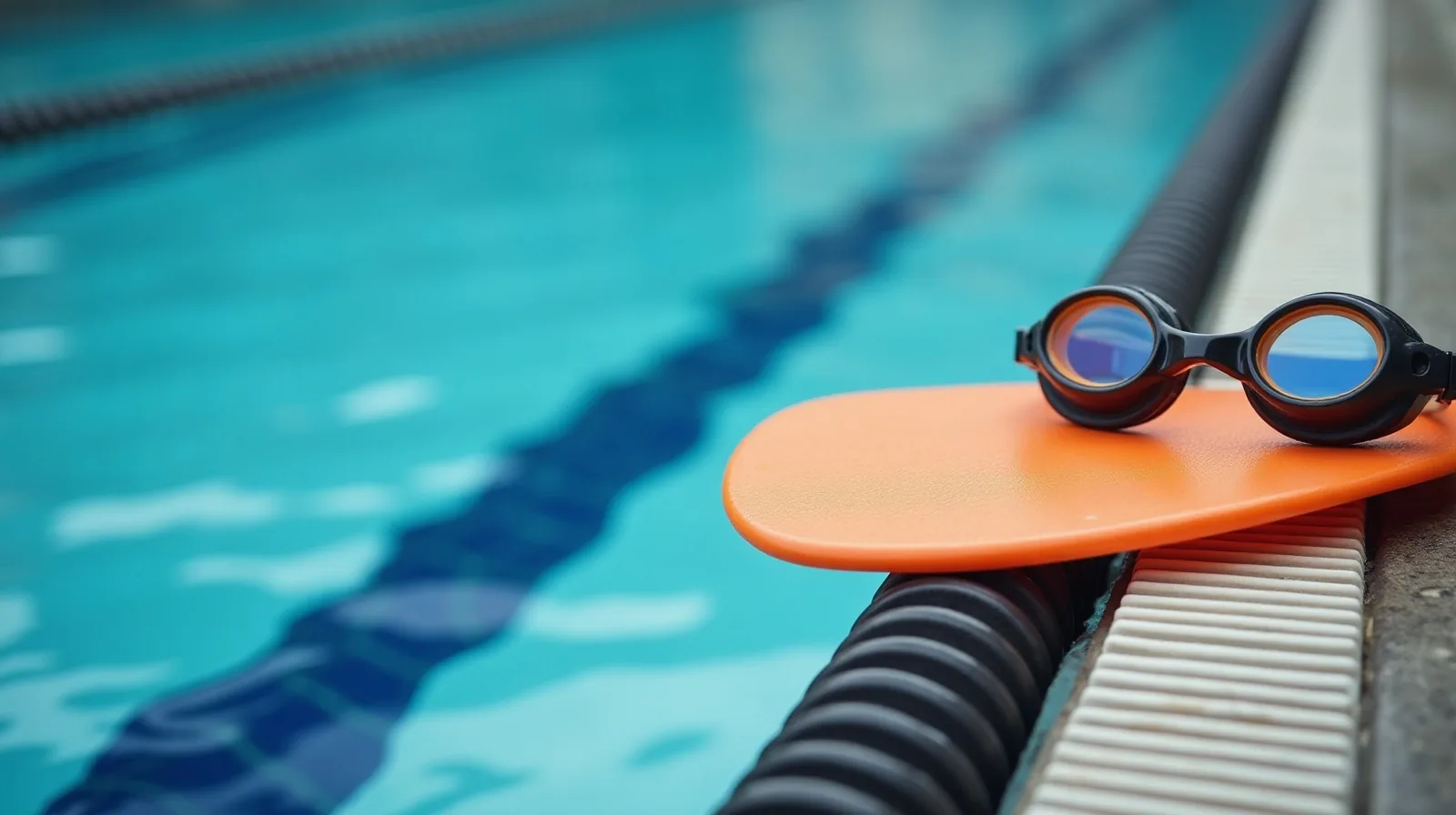
- Well-fitting goggles. Clear vision keeps you relaxed and swimming straight.
- A swim cap. It keeps hair out of the face and is required at some pools.
- Circle swimming. In a shared lane, keep to one side of the black line and pass only at the wall.
- Rest at the corners. Pause at the end of the lane, leaving the middle clear for others to turn.
- A water bottle on the deck. Swimmers sweat too, even if it is hard to notice.
Building a Weekly Habit
Two or three short sessions a week tend to beat one long, exhausting one. Pick fixed times when the pool is quieter, such as midmorning or early afternoon, so the lanes feel less crowded. Track a simple number, like how many lengths you swam before the first rest, and watch it grow. Some days will feel slow and heavy in the water; that is normal, and showing up still counts.