The last hour before a trip is a scramble of chargers and zippers, which is exactly why home security gets a passing thought at best — a jiggle of the front door lock on the way out. But most of what actually protects an empty house isn’t dramatic, and none of it requires a monitored fortress. Opportunistic break-ins overwhelmingly favor houses that look unoccupied and unwatched. So the whole job comes down to two things: make the house look boringly lived-in, and quietly shut off the small risks — water, packages, an over-shared itinerary — that cause most vacation headaches.
Make the House Look Lived-In
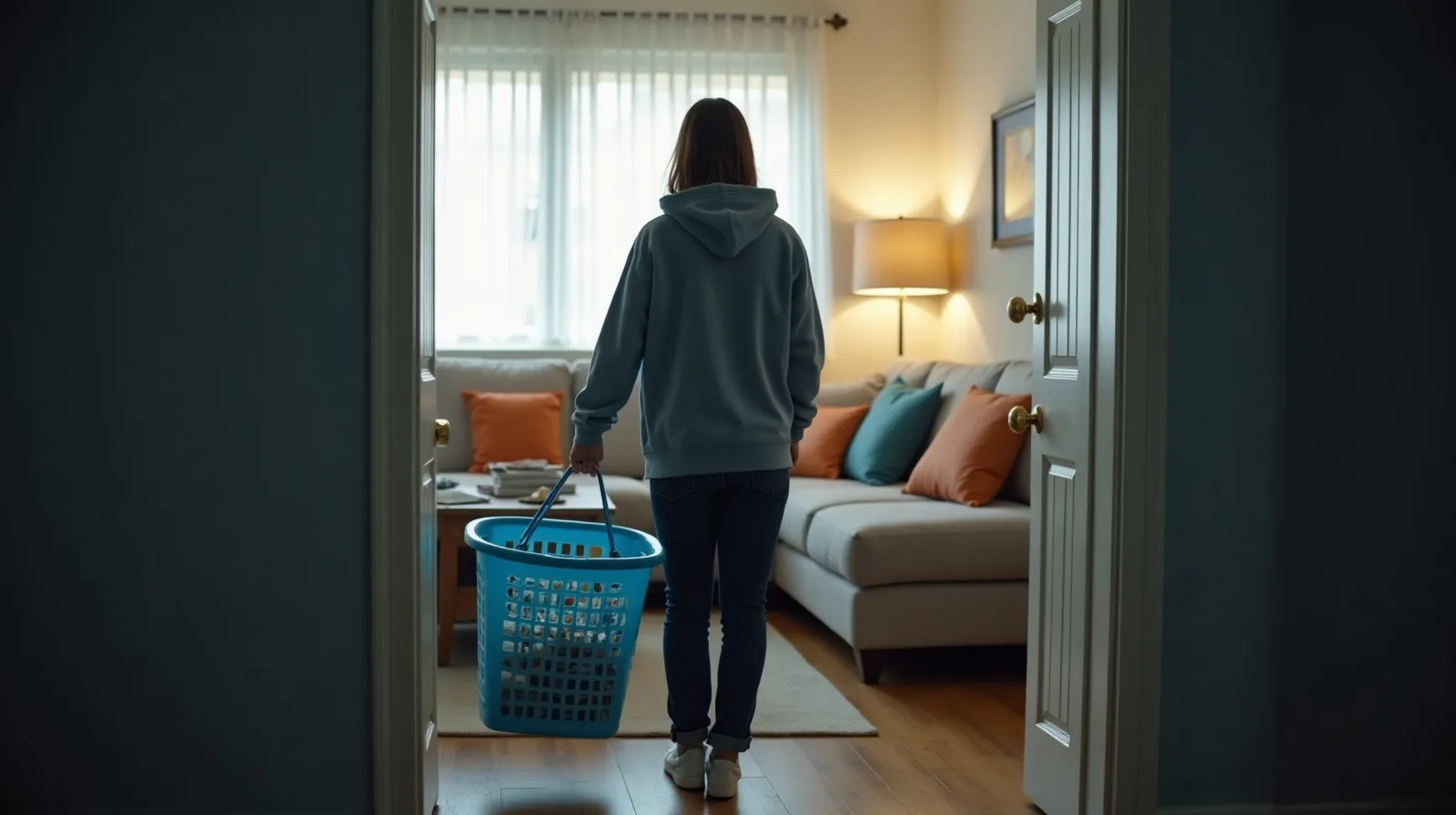
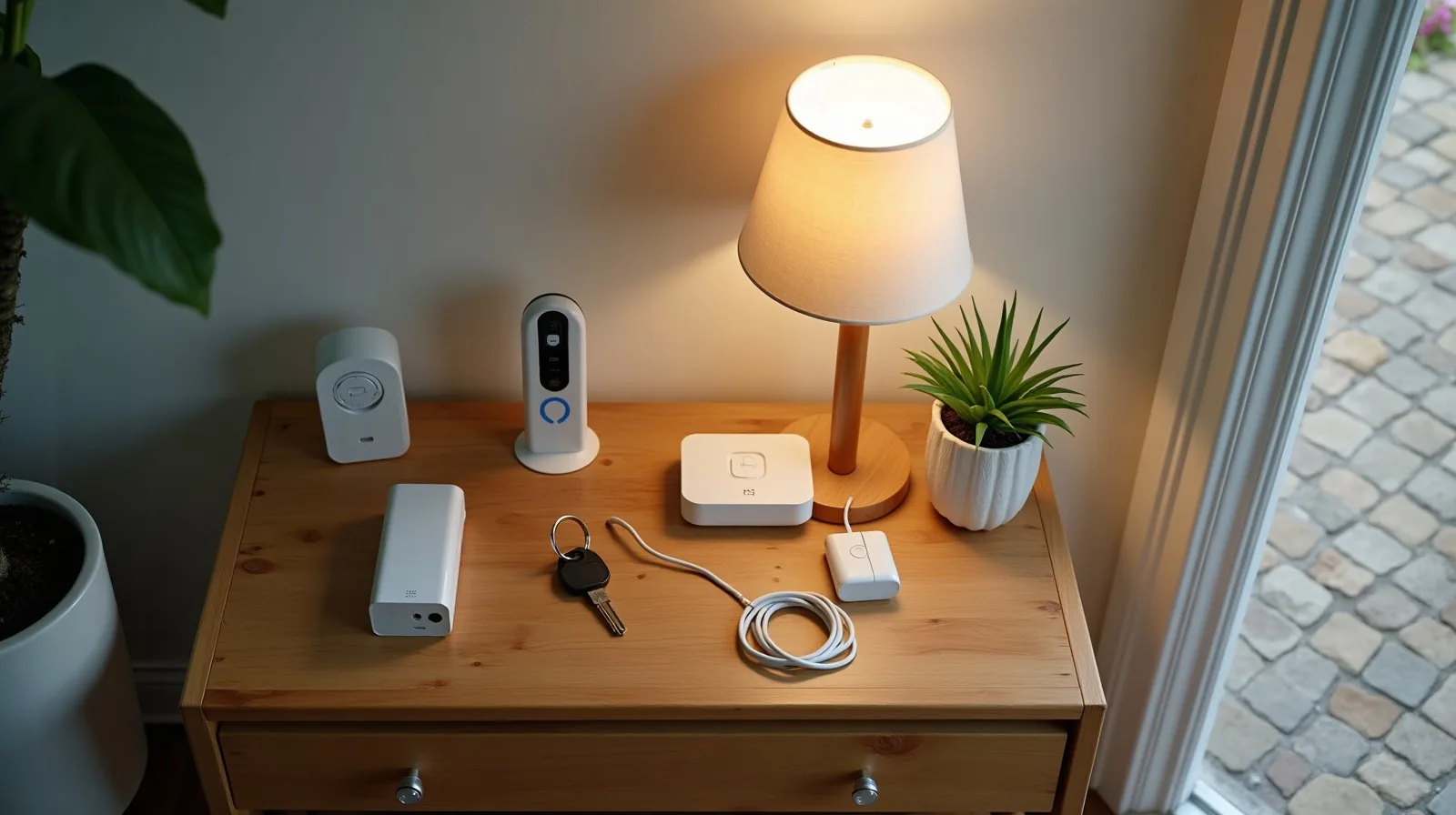
A dark, silent house with a week of packages on the porch announces itself. The counter-move is cheap: a couple of lamps on smart plugs or simple timers, set to come on in different rooms at slightly different times — living room at dusk, bedroom later in the evening — so the pattern reads like a person moving through the house rather than one bulb on a loop. A radio or TV on a timer adds believable noise for anyone listening at a door. If you normally park in the driveway, ask a neighbor to park there occasionally. And leave blinds and curtains in their normal positions — a house sealed up tight looks just as vacant as one left wide open.
Shut Off the “Nobody’s Home” Signals
Lived-in lighting only works if the rest of the house isn’t contradicting it. Before you go:
- Hold the mail. The postal service will pause delivery free for trips up to a month; an overflowing mailbox is the classic tell.
- Reroute the packages. Pause subscriptions and send anything mid-order to a pickup locker or a neighbor — a porch pile is both a signal and a target.
- Keep the yard on schedule. A lawn that shags out or a snowy walk that stays unshoveled dates the house’s emptiness precisely. Arrange a mow or a shovel for longer trips.
- Post the trip afterward. Vacation photos shared in real time tell everyone who can see them that your house is empty. Save the album for when you’re back.
- Handle the bins. Trash cans that never move — or sit at the curb for days — tell the same story. Add them to the neighbor’s list.
Recruit One Good Neighbor
Every trick above works better with a human attached. One trusted neighbor or friend who has a key, knows your dates, and can walk through once or twice covers what no gadget does: the package that slipped through, the storm door left banging, the smell of something wrong. Give them your number and your dates in writing, and skip the fake rock — a spare key hidden outside is a risk, not a backup; keys belong with people. If you have a video doorbell or indoor camera, make sure notifications actually reach you while you’re away, and tell your neighbor they may appear on it so nobody gets a 2 a.m. surprise.
The Twenty-Minute Pre-Departure Sweep
The night before you leave, do one unhurried lap. Lock every door and window — including the garage side door and the sliding door everyone forgets — and if the garage has a keypad or opener in a car parked outside, bring the remote in. Then handle water, the quiet destroyer of vacations: turn off the valves to the washing machine, and for longer trips consider shutting the main and setting the water heater to vacation mode. Unplug small countertop appliances, set the thermostat to an away setting, and take one slow look at the porch through a stranger’s eyes. Twenty minutes, and you can actually think about the trip instead.