
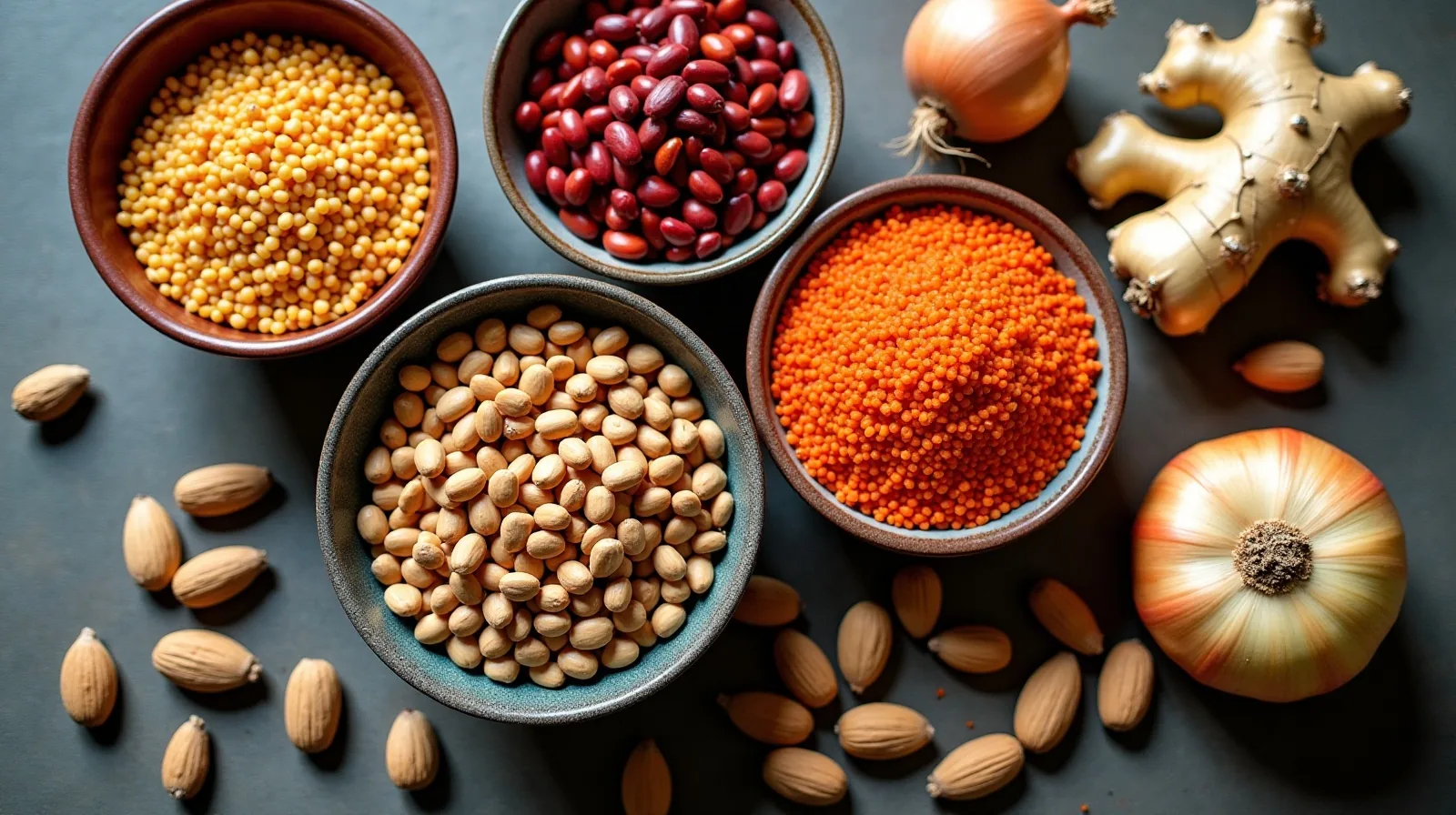
The moment a cold goes around, the same shopping list appears: orange juice, garlic, ginger, honey, and whatever the internet is calling a superfood this week. The instinct is right even when the marketing isn’t — food genuinely matters to how well your immune system can do its job. But it matters the way a steady paycheck matters, not the way a lottery ticket does. The realistic goal isn’t a food that fights off a virus on demand; it’s a kitchen stocked so that the nutrients your body uses every day are simply always around.
Why “Boosting” Is the Wrong Goal
Your immune system isn’t a muscle you can pump up before an exam — it’s a complex system that generally works best when the basics are covered: adequate protein, a range of vitamins and minerals, sleep, and movement. That’s why mainstream nutrition guidance talks about overall eating patterns rather than hero ingredients, and why no single food — not citrus, not garlic, not anything in a jar — has been shown to prevent illness on its own. What a good pantry does is humbler and more useful: it keeps the raw materials of normal immune function within arm’s reach all year, not just during sniffle season.
The Year-Round Short List
These earn their spot because they keep well, cost little, and carry nutrients your body actually uses:
- Citrus and other vitamin C fruit. Oranges, lemons, and grapefruit keep for weeks and make vitamin C a routine, not an emergency purchase.
- Garlic and onions. Long shelf life, and they make vegetables taste good enough to eat more of — which is most of the battle.
- Fresh ginger. Hardy in the fridge or freezer, and a warm ginger tea is a genuinely comforting way to rest and stay hydrated.
- Honey. Guidance commonly points to it as a soothing option for a scratchy throat or cough in adults and older kids — comfort, not cure — and never for babies under one.
- Beans and lentils. Shelf-stable protein, zinc, iron, and fiber in one cheap can or bag.
- Nuts and seeds. Easy sources of vitamin E, zinc, and protein that survive months in the cupboard.
What These Foods Actually Do
The honest mechanism is unglamorous: immune cells are built and run on nutrients — protein for antibodies, vitamins C and E, zinc, iron — and a diet that reliably includes them supports the system that uses them. Reliability is the operative word. A week of orange juice after you’re already sick does far less than citrus, beans, and vegetables showing up in your meals month after month. That’s the quiet advantage of stocking these foods: you don’t have to think about nutrition in the moment, because the default contents of your kitchen are already doing it.
The Fine Print That Matters
Keep expectations calibrated: you can eat beautifully and still catch whatever your kid brings home from school, because food is one input among many. Sleep, regular activity, handwashing, and staying current on the vaccinations your doctor recommends generally do at least as much heavy lifting as anything on a plate. Be especially wary of supplements promising immune “support” in capsule form — more of a nutrient isn’t automatically better, and high doses can interact with medications. If you’re considering supplements, planning a major diet change, or getting sick more often than seems normal, that’s a conversation for your doctor, not a shopping cart.