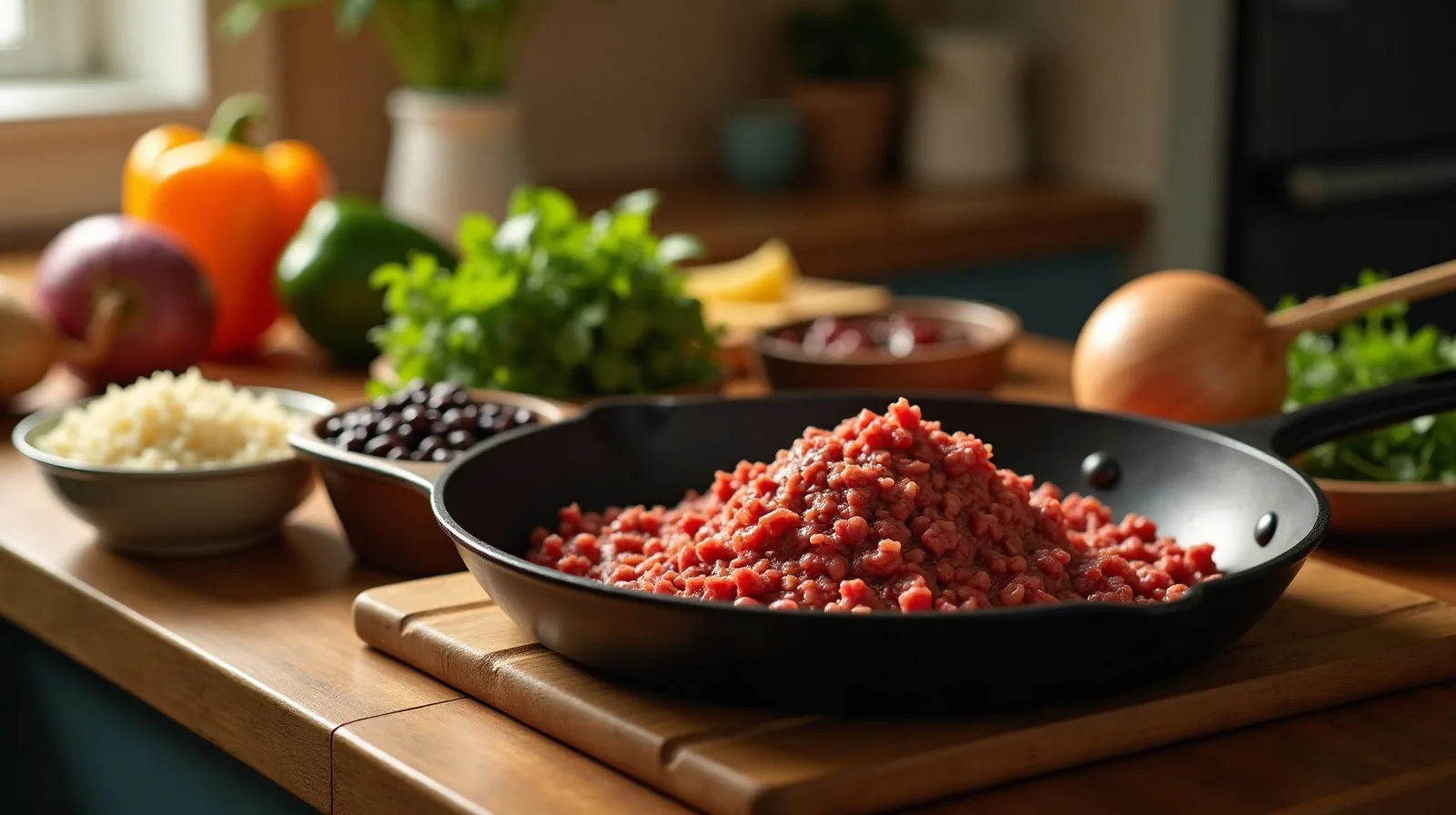
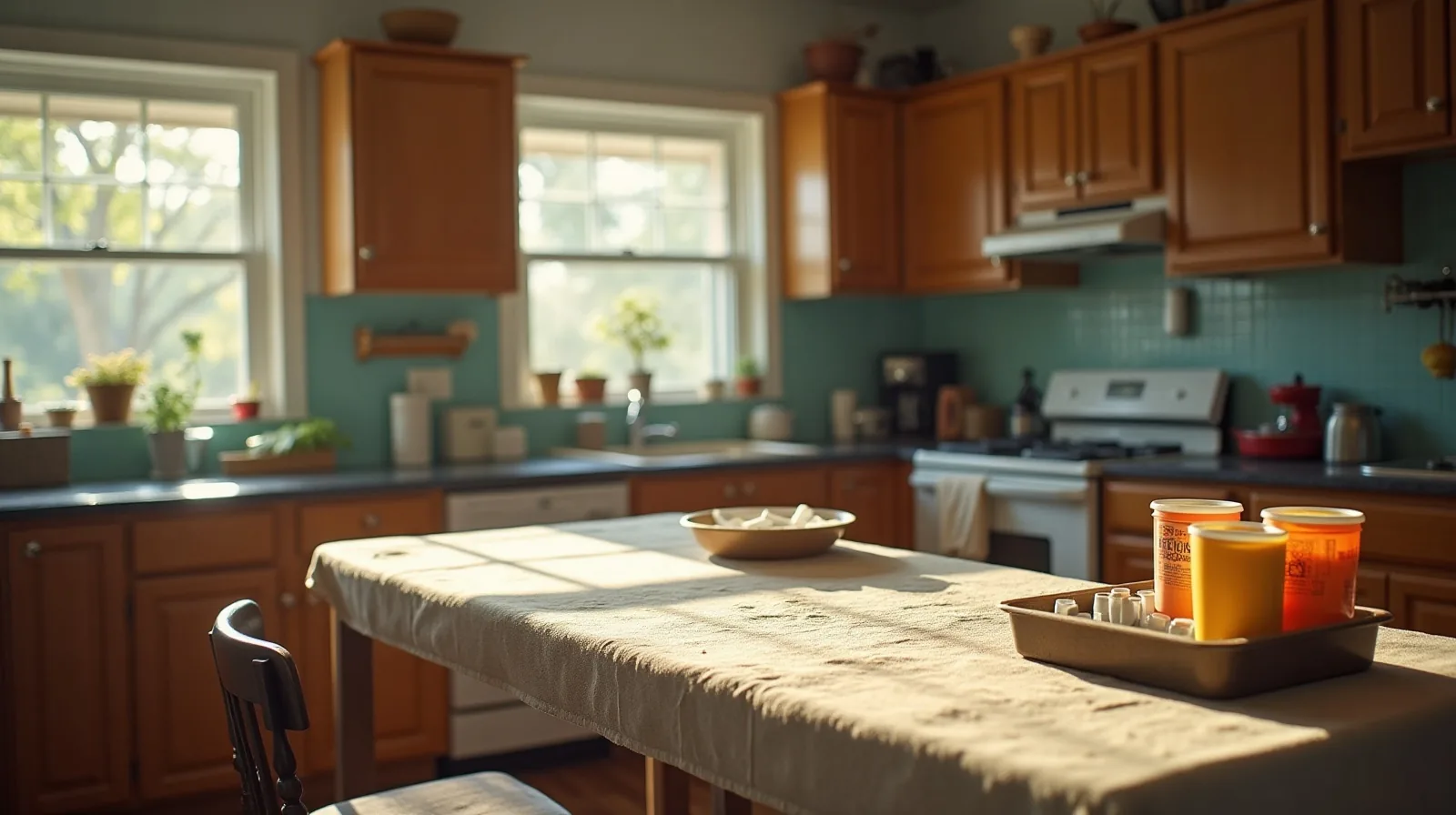
You don’t need a kit or a lab coat to show a kid how science feels — the kitchen is already stocked. Vinegar, baking soda, food coloring, dish soap, and a stalk of celery cover more chemistry and physics than most adults remember from school, and the reactions are dramatic enough to compete with a screen. The trick is setting things up so the mess stays put, the safety rules are clear from the first pour, and every fizz comes with a question attached — because the question is what turns a magic trick into an experiment.
Set Up for Mess Before You Start
Every good home lab starts with containment. Run experiments on a rimmed baking sheet or plastic tray so spills have somewhere to go, lay an old towel underneath, and dress everyone in clothes that already have stains. Tie back long hair, park a roll of paper towels within arm’s reach, and set up near the sink — or move the whole operation outside, where a volcano can really commit. A quick ground rule before anything gets mixed saves the afternoon: ingredients go where the adult says, nothing gets tasted unless the adult declares it a tasting experiment, and hands get washed when the lab closes.
Five Experiments From the Pantry
- The classic volcano. A few spoonfuls of baking soda in a cup, a squeeze of dish soap, a drop of food coloring, then a pour of vinegar. The soap turns quick fizz into lasting foam. Vinegar stings eyes, so pour at arm’s length and keep faces back.
- Color-racing milk. Pour milk into a shallow dish, dot food coloring around the surface, then touch it with a cotton swab dipped in dish soap and watch the colors scatter and swirl.
- Dancing raisins. Drop a few raisins into a glass of clear fizzy water. Bubbles cling to them, float them up, pop at the surface, and down they sink to ride again.
- Celery on colored water. Stand celery stalks in glasses of strongly colored water overnight and watch the color climb the stalk by morning — plant plumbing, demonstrated.
- Sink or float. A big bowl of water and a pile of household objects. Kids predict each one before it drops — the guessing is the science.
Ask the Question That Makes It Science
The difference between a trick and an experiment is one sentence: “What do you think will happen?” Ask it before every pour, compare the guess with what actually happened, and then — the best part — change exactly one thing and run it again. More vinegar or less? Warm milk instead of cold? Sparkling water that’s gone half flat? That loop — predict, test, change one variable, test again — is the real scientific method, smuggled into the kitchen on a foam volcano, and most kids will happily run it far longer than the original demonstration.
The Safety Rules of the House Lab
Kitchen-science ingredients are mild, but the habits should be real. An adult stays present the whole time and personally handles anything involving heat or the stove. Nobody ever mixes household cleaning products — some combinations genuinely produce dangerous fumes, which is why home experiments stick to food-safe ingredients only. Anything fizzing stays away from eyes and faces, and leftover mixtures get emptied rather than left around as mystery liquids. With toddlers in the room, sort materials into an edible pile and a not-edible pile at the start, since little kids assume everything is a snack. None of this needs to feel stern — real scientists follow lab rules and love their goggles, so make safety part of the costume.