A home gym gets expensive fast when it is shopped the way equipment is marketed: one machine per muscle, each one presented as the only piece worth owning. Built the other way round, starting from movement patterns rather than products, a genuinely useful setup fits in a corner of a garage or a bedroom and costs less than a year of most memberships. The trick is buying in an order where every purchase covers something the previous one could not, then stopping once the obvious gaps are closed.
Start With Movements, Not Machines
Nearly all strength training comes down to five patterns: squatting, hinging at the hips, pushing, pulling, and carrying something heavy. Bodyweight already handles two of them well. Squats, split squats, and push-ups need no gear, so the first dollars should go toward the patterns bodyweight struggles with — pulling, loaded hinging, and adding resistance once the easy versions stop being hard. Judging a purchase by how many patterns it unlocks per dollar changes the shopping list completely. If a new strength routine is on the horizon and there is any history of joint, back, or heart trouble, it is worth checking with a doctor before loading up.
The Buying Order That Wastes the Least Money
Order matters more than budget. Each item below assumes the one before it is already in the corner, and most households never need to go past the fourth line.
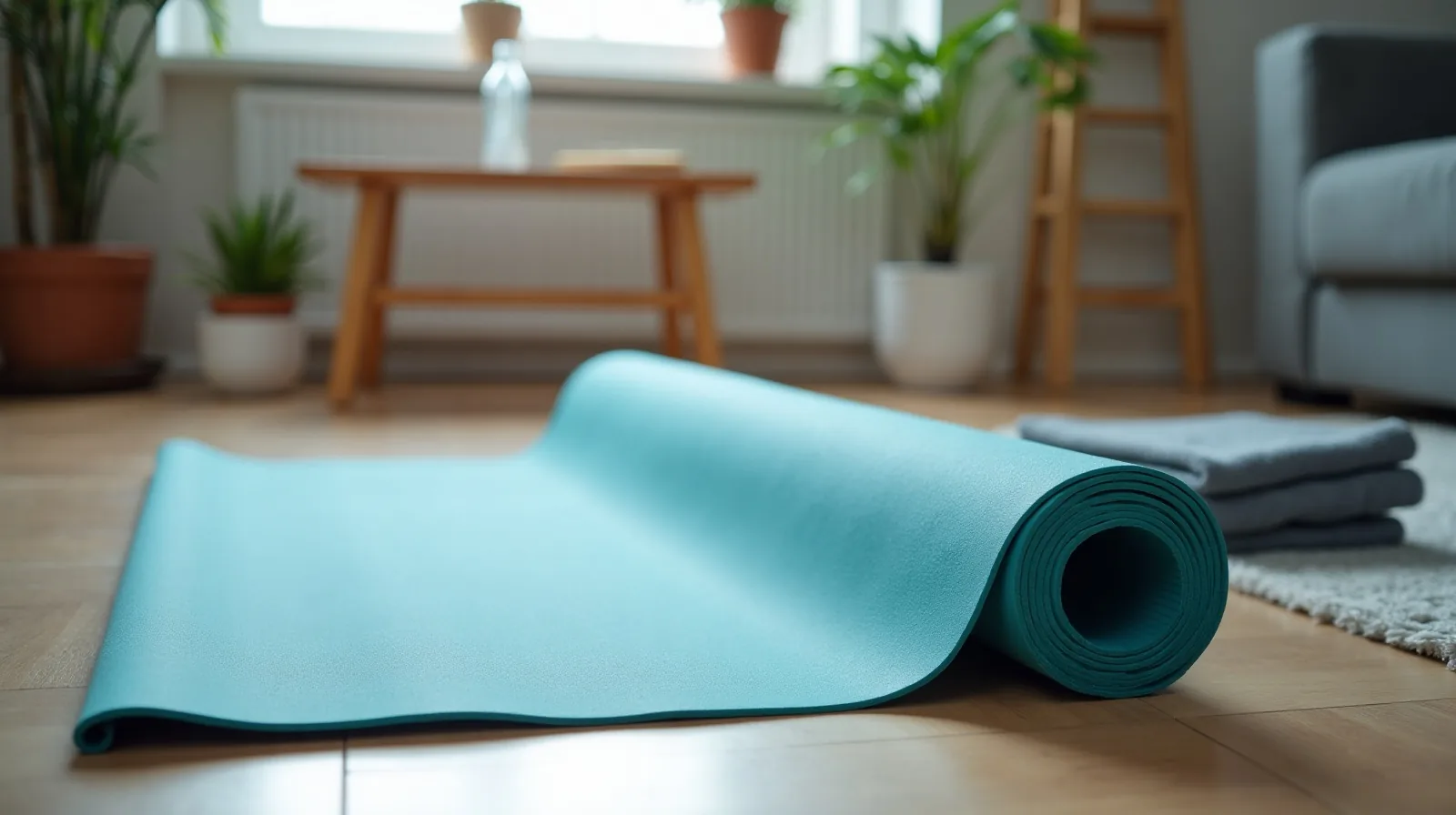
- A mat and a clear patch of floor. The cheapest purchase and the one used every session. It makes floor work, stretching, and quiet landings possible, and it defines where the gym actually is.
- A set of resistance bands with a door anchor. Bands are the least expensive way to buy the pulling pattern, which is the hardest one to train without equipment. Loop bands also scale push-ups and squats up or down.
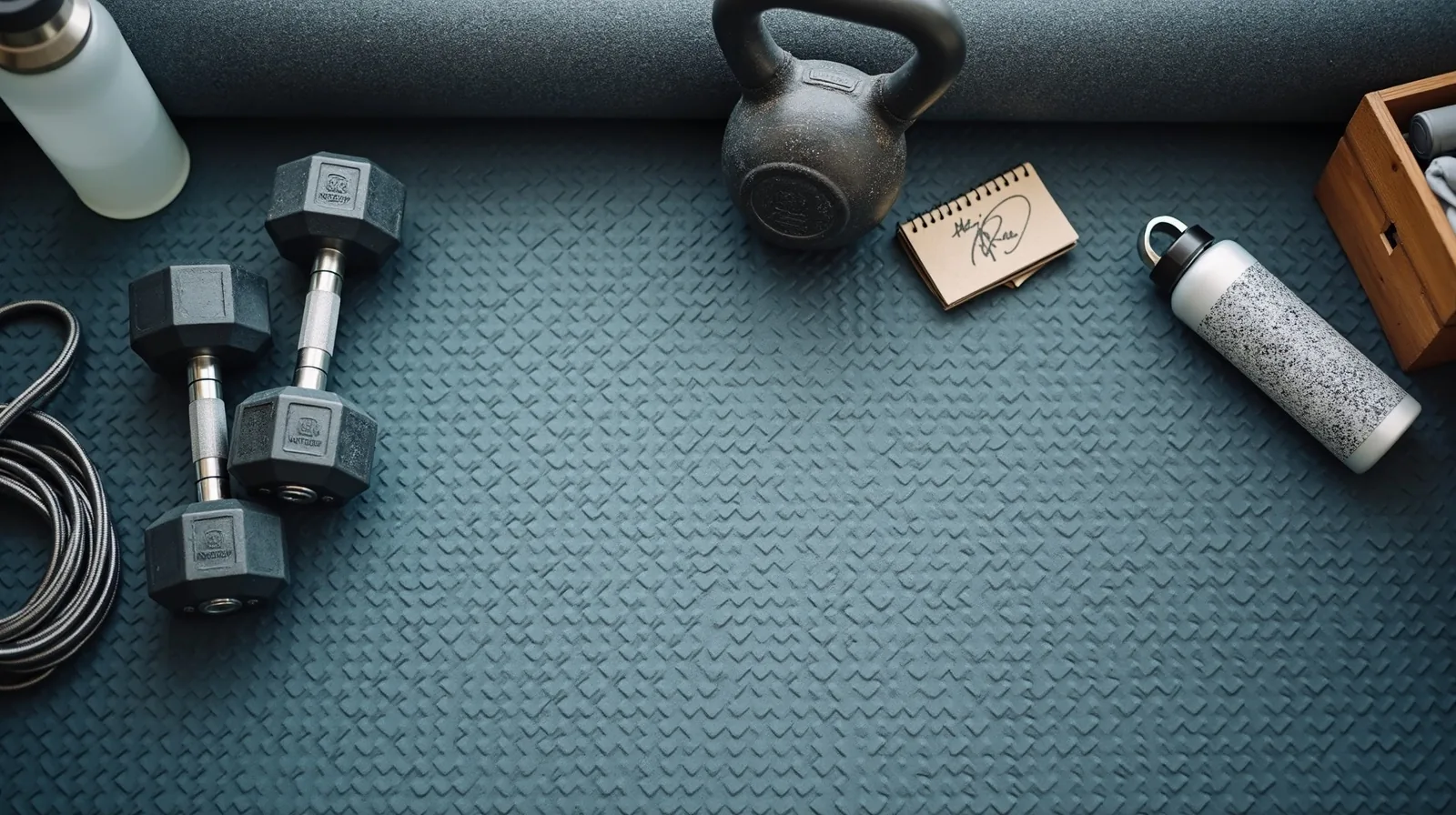
- Adjustable dumbbells or two kettlebells. This is where the largest share of the budget belongs. Adjustable weight covers pressing, rowing, loaded squats, hinges, and carries, and it keeps working for years as strength climbs.
- A doorway or wall-mounted pull-up bar. Worth adding once rows feel easy. Even if a full pull-up is years away, the bar supports hangs, slow negatives, and band-assisted work.
- A bench or a sturdy box. Last, not first. A bench opens up pressing angles and step-ups, but a solid chair or a bottom stair covers most of that until the budget allows.
Floor, Ceiling, and the Space You Actually Have
Measure before buying anything. Two numbers decide what fits: the clear floor length for lying flat with arms stretched overhead, usually around seven feet, and the ceiling clearance for pressing a weight while standing. Low basement ceilings rule out standing overhead work, which is a good argument for dumbbells that can be pressed seated instead.
Flooring matters more than it looks like it should. Weight dropped on concrete chips it, and weight dropped on laminate dents it. Interlocking foam tiles are cheap and perfectly adequate for bodyweight work and light dumbbells. Rubber stall matting, sold for barns, is the low-cost upgrade for anything heavier, and a scrap of dense carpet under a squat stance keeps noise from traveling to whoever lives below.
Buying Secondhand Without the Regret
Cast iron does not wear out, which makes used weight the best value in the category. Plates, kettlebells, and fixed dumbbells are worth buying secondhand almost every time; surface rust comes off with a wire brush and a little oil. Price it by the pound and compare against new, since shipping heavy metal is most of what makes new plates costly.
Be far pickier with anything that moves or plugs in. Test every adjustment mechanism through its full range before handing over cash, check cables and straps for fraying, and look at bench upholstery for splits that will only spread. Treadmills and cable machines are the common regret: the frame outlives the electronics, and a repair often costs more than the machine did.