A cleaning appointment lasts under an hour. Everything that actually decides how teeth are doing happens in the several thousand hours in between, at a bathroom sink, mostly on autopilot. The good news is that the habits with the biggest effect are small and unglamorous, and none of them involve buying anything unusual. Better still, the most common mistakes are about technique and timing rather than effort, so they cost nothing to correct.
Angle Matters More Than Pressure
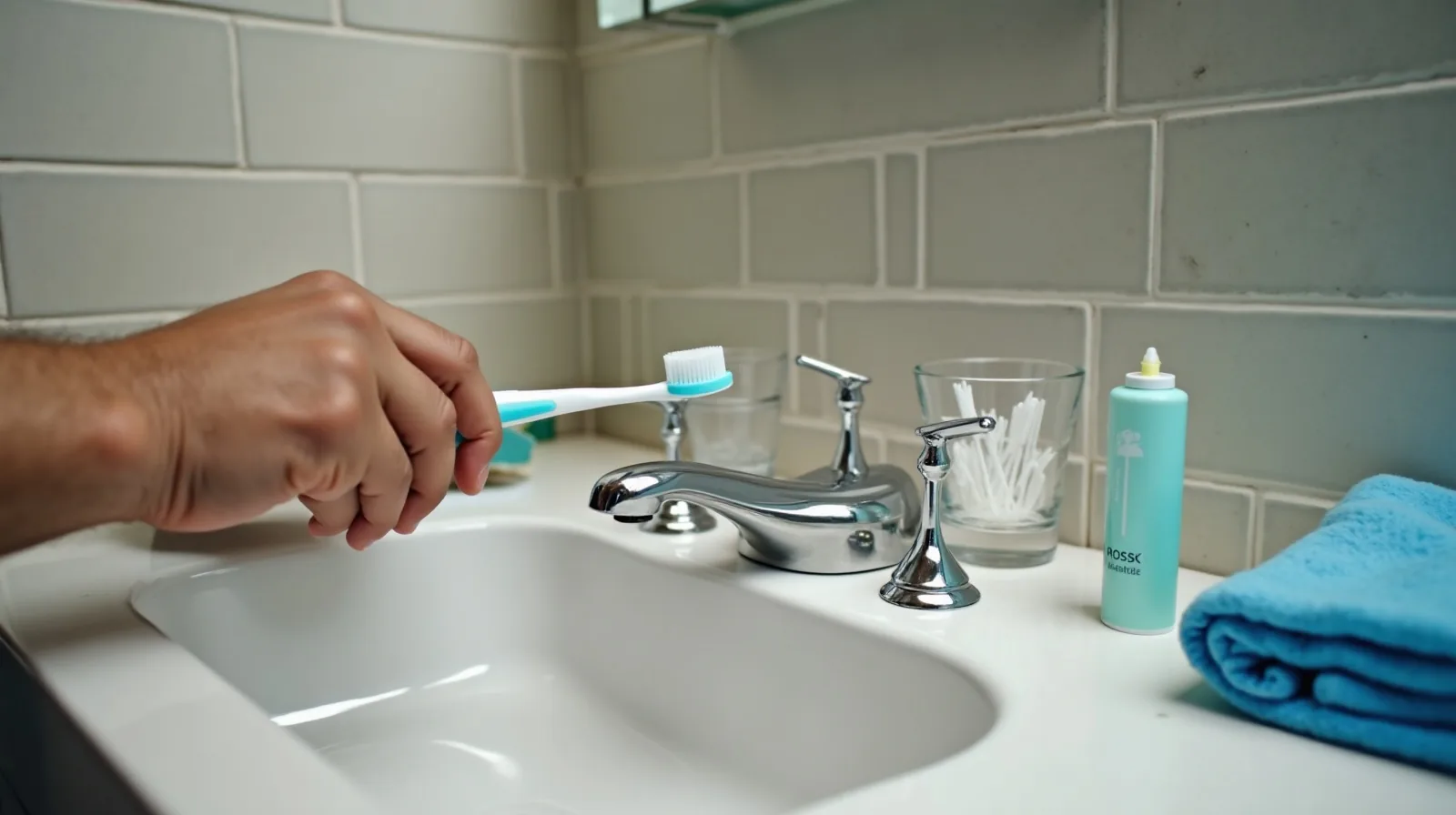
Hard scrubbing feels productive and tends to work against the goal, wearing at enamel over the years and pushing gums back where plaque does the most damage. Dental guidance generally points toward a soft-bristled brush held at roughly forty-five degrees to the gumline, moved in short strokes or small circles, with light pressure. The bristles should flex a little, not splay flat. A brush head that frays within a few weeks usually signals too much pressure rather than thoroughness.
Two minutes is longer than most people think, and the surfaces that get shortchanged are predictable: the inner side of the lower front teeth, the back of the last molars, and the chewing surfaces where a brush skates across without settling. Working in a fixed order beats improvising, and if the brush does the moving for you, guide it slowly rather than scrubbing along with it.
Timing Quietly Does Half the Work
The nighttime clean is the one that carries the most weight, because saliva flow drops during sleep and whatever is left on the teeth sits there undisturbed for hours. Skipping the morning brush is a smaller loss than skipping the night one.
After something acidic — citrus, soda, wine, vinegar dressing — enamel is temporarily softened, so common advice is to rinse with plain water and wait a while before brushing rather than brushing right away. When brushing is done, spitting rather than rinsing leaves the toothpaste’s fluoride in contact with the teeth a little longer.
The Floss You Will Actually Use
Roughly a third of each tooth surface sits between teeth where a brush never reaches, which is why cleaning between them is where most of the remaining benefit lives. The best tool is whichever one gets used nightly, not the one that is technically most thorough.
- String floss. The most thorough option when curved into a C against each tooth and slid gently below the gumline rather than snapped down.
- Floss picks. Easier one-handed and easier to keep somewhere visible, which for many people is the difference between nightly and never.
- Interdental brushes. Tiny tapered brushes that suit wider gaps, bridges, and braces, and often clean better than floss where they fit.
- Water flossers. Helpful around braces, implants, and limited dexterity, and best treated as a companion rather than a replacement.
- Placement. Store the chosen tool where the habit will start, and do it before brushing so the toothpaste reaches the freshly cleared spaces.
How Often Beats How Much
Sugar does its damage on a clock. Each exposure starts a stretch of acidity that saliva then has to neutralize, so a sweet coffee sipped across two hours keeps that clock running far longer than a dessert eaten in ten minutes. Grazing on crackers all afternoon works the same way, because starches break down into sugars in the mouth. Clustering sweets with meals and drinking plain water in between does more than shrinking portions alone.
Dry Mouth and What to Raise at the Visit
Saliva is the mouth’s buffer, so anything that reduces it raises risk: many common medications, mouth breathing, snoring, and simple dehydration. Sipping water, chewing sugar-free gum, and mentioning persistent dryness to a dentist or doctor are reasonable first steps, and a professional who knows your history can tell you whether a medication or a health condition is the driver. Bring the small observations to the appointment too — a tooth that has turned sensitive, gums that bleed for more than a few days, a jaw that aches in the morning. Those details shape what gets checked far better than a symptom list read online.