Most grilling trouble traces back to one habit: treating the grill like a single surface instead of a set of tools. A grate that is one uniform temperature forces a choice between raw in the middle and burnt on the outside, and the clock never quite tells the truth about what is happening underneath the crust. None of the fixes below require new equipment or a complicated recipe — they are habits that turn a cookout from a gamble into something repeatable.
Build Two Heat Zones Before Anything Goes On
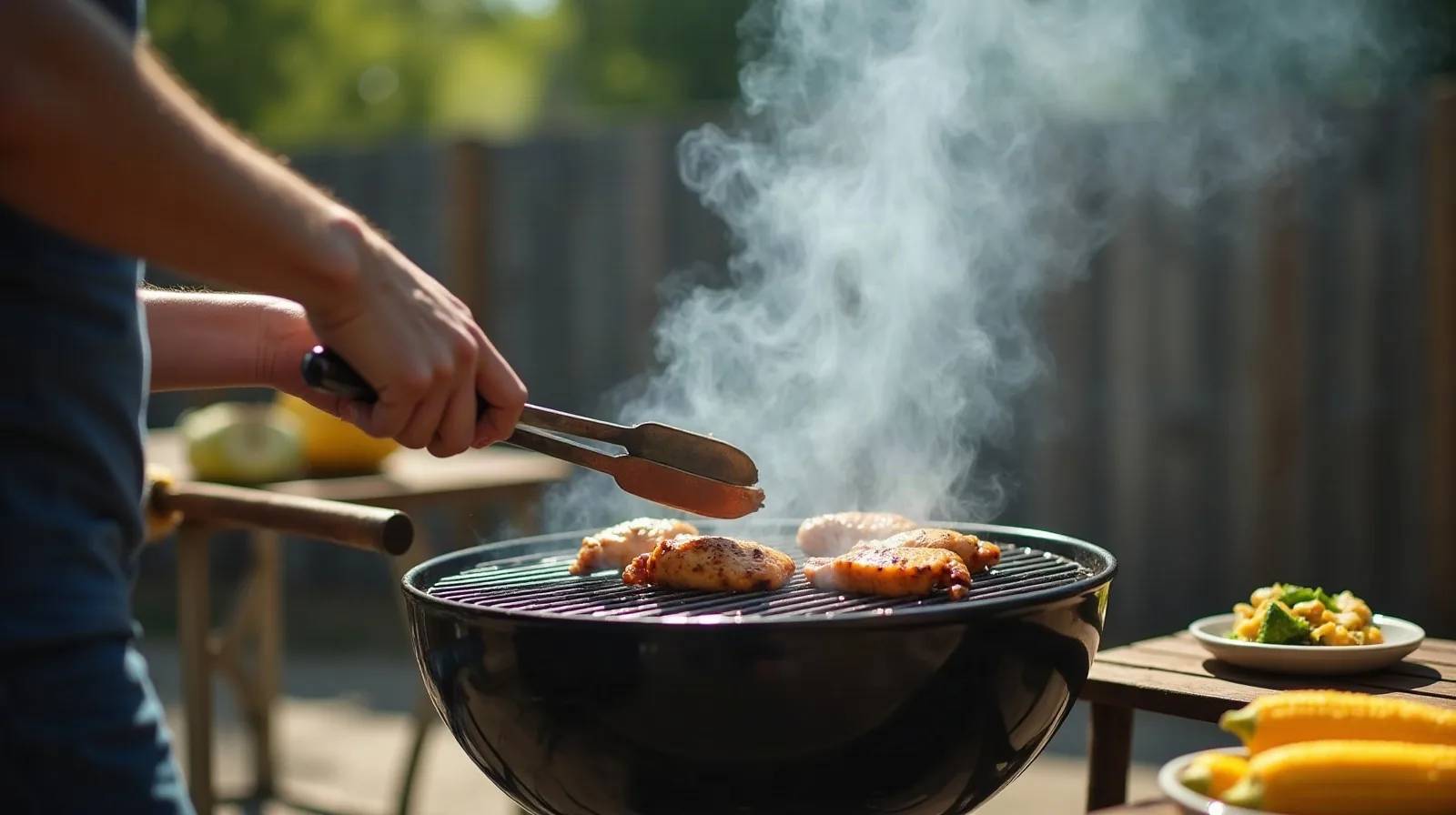
A single fire that covers the whole grate is the most common setup mistake. On a charcoal grill, bank the lit coals to one side and leave the other side empty. On a gas grill, light half the burners and leave the rest off. That split creates a hot direct zone for searing and a cooler indirect zone with no flame directly underneath, which is where thicker cuts finish cooking through without charring. A flare-up from dripping fat becomes a non-event once there is somewhere calmer to slide the food, rather than a race to rescue dinner.
Clean, Oiled Grates Are the Real Non-Stick Trick
Sticking is rarely about the food — it is almost always about the grate. Preheat with the lid closed for ten to fifteen minutes so the metal gets hot enough to burn off residue, then scrape the bars with a grill brush while they are still hot. Once clean, fold a paper towel, dip it in a neutral oil, and wipe it across the grates with tongs. A properly seared piece of food releases on its own when it is ready to flip; if it resists, it usually just needs another minute in place rather than a harder tug.
A Thermometer Beats the Clock Every Time
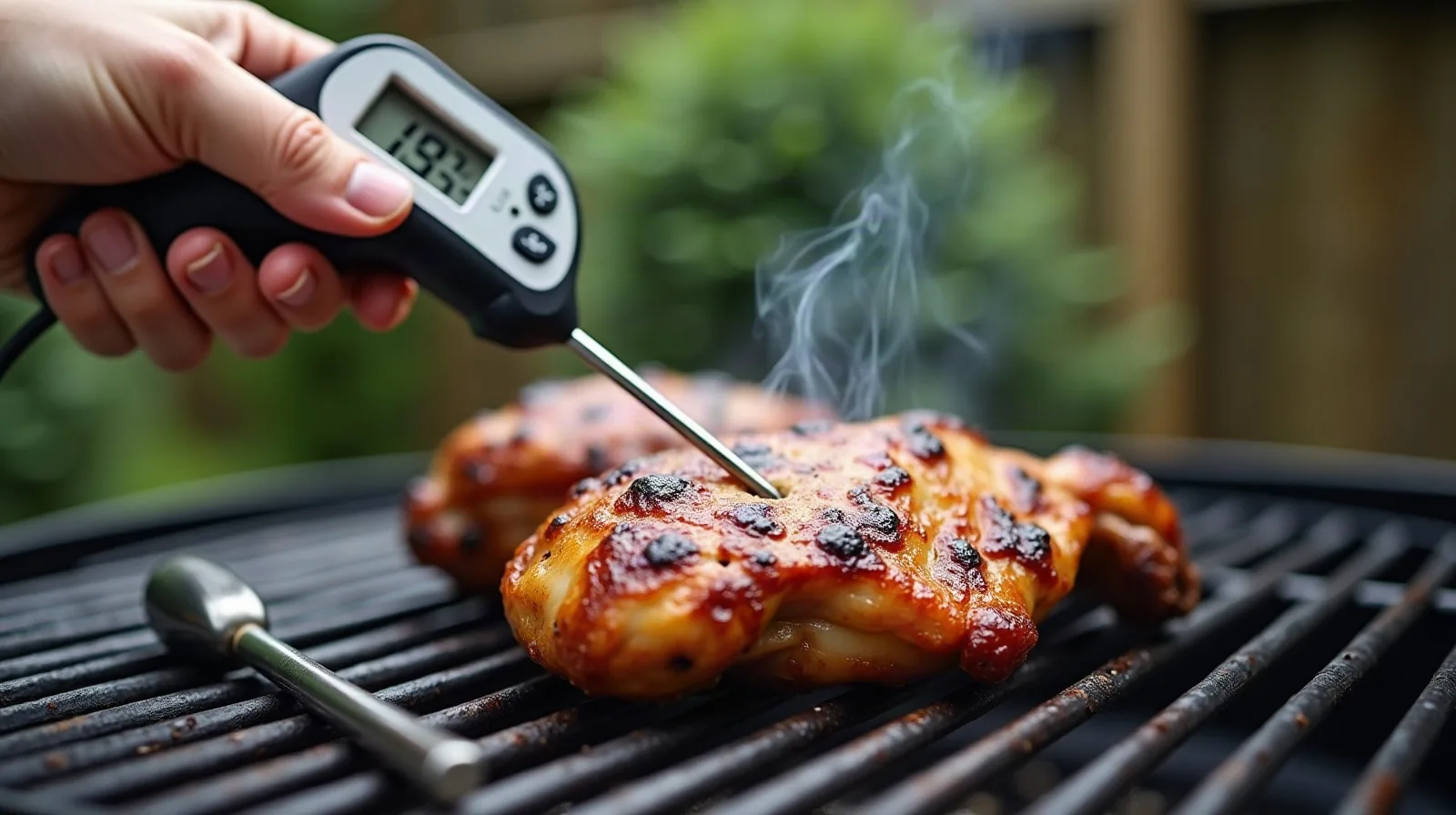
Cooking times printed on a recipe assume a specific thickness, a specific starting temperature, and a specific grill — three things that vary every time. An instant-read thermometer removes the guesswork: insert it into the thickest part of the food, away from bone, and pull the food once it reaches a safe internal temperature for that type of meat. General food-safety guidance calls for poultry to reach a higher internal temperature than whole cuts of beef or pork, which are commonly pulled a few degrees early and left to rest, since the temperature keeps climbing for several minutes off the heat. A five-dollar thermometer prevents both the dry chicken breast and the undercooked burger in one habit.
Five Foods That Build Grilling Confidence Fast
Some foods forgive more than others while the two habits above become automatic. Starting with a short, forgiving list builds confidence faster than jumping straight to the trickiest cuts.
- Bone-in chicken thighs — enough fat to stay juicy through a few extra minutes of indirect heat.
- Corn in the husk — the husk steams the kernels, so there is almost no way to dry it out.
- Thick-cut vegetables like zucchini spears or portobello caps, sliced sturdy enough not to fall through the grate.
- Shrimp on skewers — a couple of minutes per side over direct heat, pulled the moment they turn opaque.
- Burgers with a thumbprint dimple pressed into the center, which keeps them from puffing into a dome as they cook.