
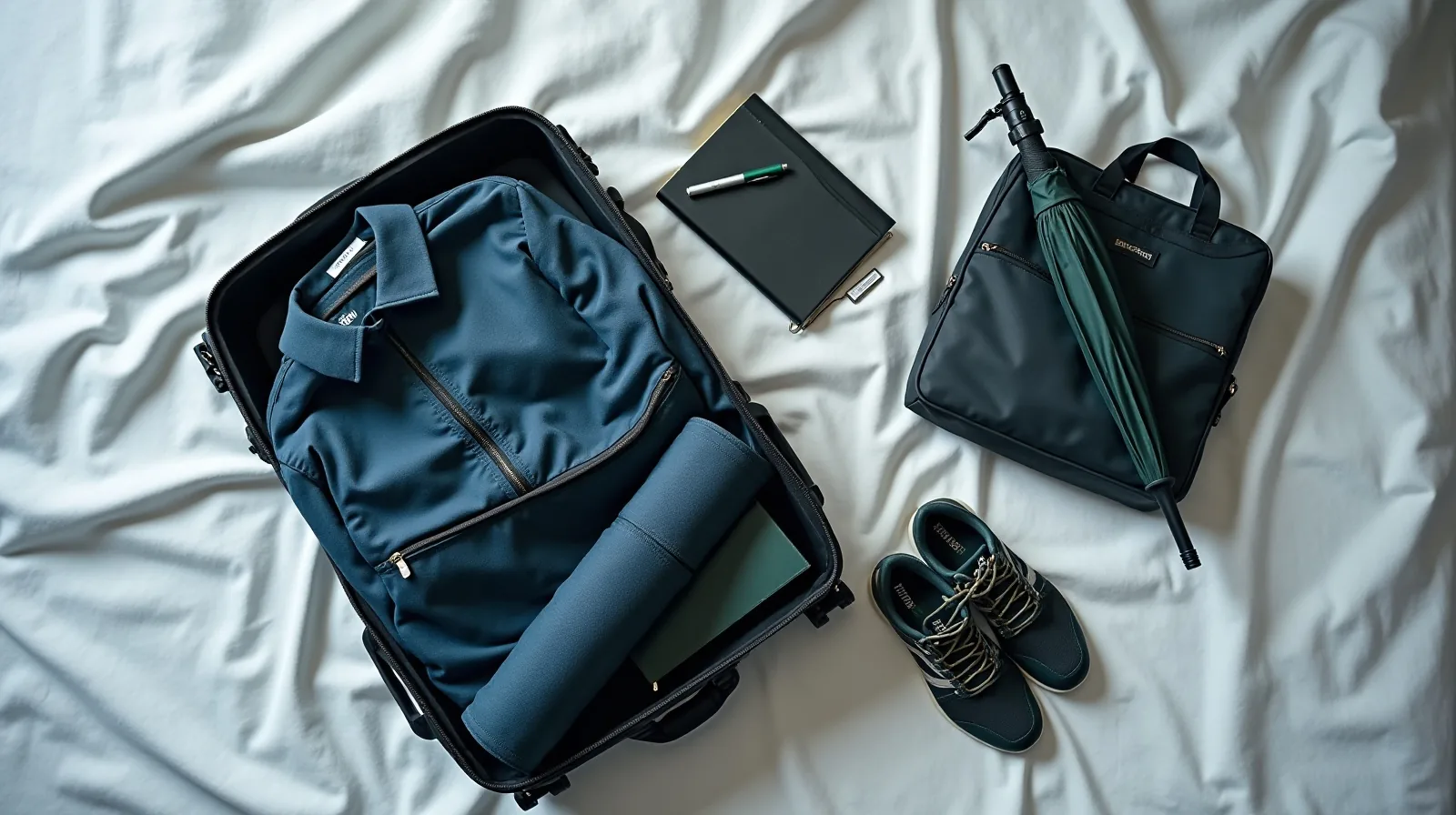
The hard part of a first solo trip is rarely the flights or the packing. It is the middle of the second afternoon, when the museum is done and the day suddenly has no shape. Traveling alone is genuinely good — you move at your own pace and notice more because there is nobody to talk to. But it asks for a few habits that traveling with other people never does, and knowing them ahead of time makes the difference between a trip you endure and one you repeat.
Pick a Destination That Does Some of the Work
A forgiving first destination is one where the logistics stay quiet so your attention can go elsewhere: good public transport, a walkable center, plenty of other travelers around, and a language situation you can manage with a phrasebook and goodwill. A compact old town beats a sprawling city where every outing is a long taxi ride. Shorter is better too. Four or five nights is long enough to settle in and short enough that a bad day does not define the trip.
Book the first night before you go, even if you plan to improvise afterward. Arriving somewhere unfamiliar and tired with no bed reserved is the fastest way to make solo travel feel like a mistake.
Safety Habits That Fade Into the Background
Good habits should cost you almost nothing once they become routine. The aim is not vigilance all day, which is exhausting, but a handful of defaults that quietly reduce how often anything goes wrong.
- Tell one person your shape. Send someone at home your accommodation and rough plans, and check in when they change. It means somebody notices if you go quiet.
- Split your money and documents. One card and some cash on you, the backup card and a passport copy left in the room. Losing a wallet becomes an annoyance rather than an emergency.
- Arrive in daylight. Book transport so you reach a new city while it is still busy. First impressions of an unfamiliar neighborhood are better made in the afternoon.
- Keep the address written down. On paper, not only on a phone that can die. Add the nearest cross street so a driver can find it.
- Trust the flinch. If a street, a bar or a conversation feels off, leave without constructing a polite excuse. Nobody you will never see again is owed one.
Eating Alone Without Dreading It
Most people find dinner the loneliest part, so make it easier structurally. Lunch is the friendliest solo meal: rooms are busier and a table for one draws no attention. Counter seating, market stalls and casual places with communal tables all beat a formal dining room. Bring something to read, but leave it face down for the first ten minutes and watch the room instead. That is the part you paid for. Booking a food tour or a cooking class early does double duty: a proper meal, plus easy company with people in the same position.
Meeting People Without Forcing It
Company on a solo trip works best when it is built into an activity rather than manufactured. Walking tours, day hikes, hostel common rooms and group cooking classes all give you a shared reason to talk, which is easier than approaching a stranger cold. Say yes more often than usual to small invitations, and let them end when they end. A good afternoon with someone you never see again is a complete thing, not a failed friendship. Some days will be solitary, and that is not a sign the trip is going badly.
The Flat Afternoon Is Normal
Almost every solo traveler hits a slump between three and five in the afternoon, usually on day two or three, when energy dips and the novelty thins. Plan for it instead of fighting it. Keep one small anchor in the calendar for the late afternoon: a swim, a market, a haircut, a long coffee somewhere with a view. Something ordinary resets the day better than an ambitious sight will, and a nap is a legitimate strategy. Loneliness that shows up on schedule and passes in an hour is tiredness wearing a costume.