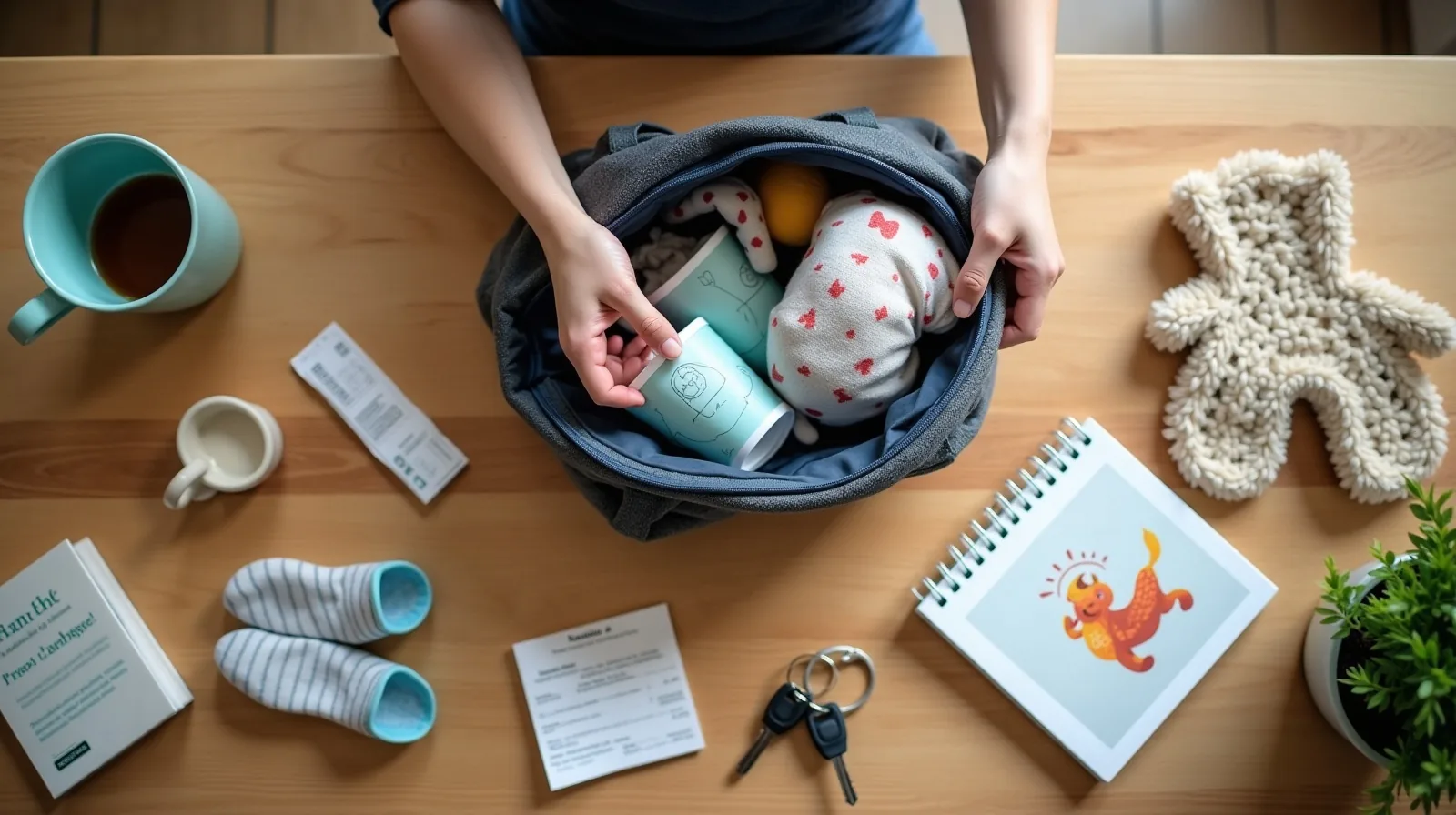
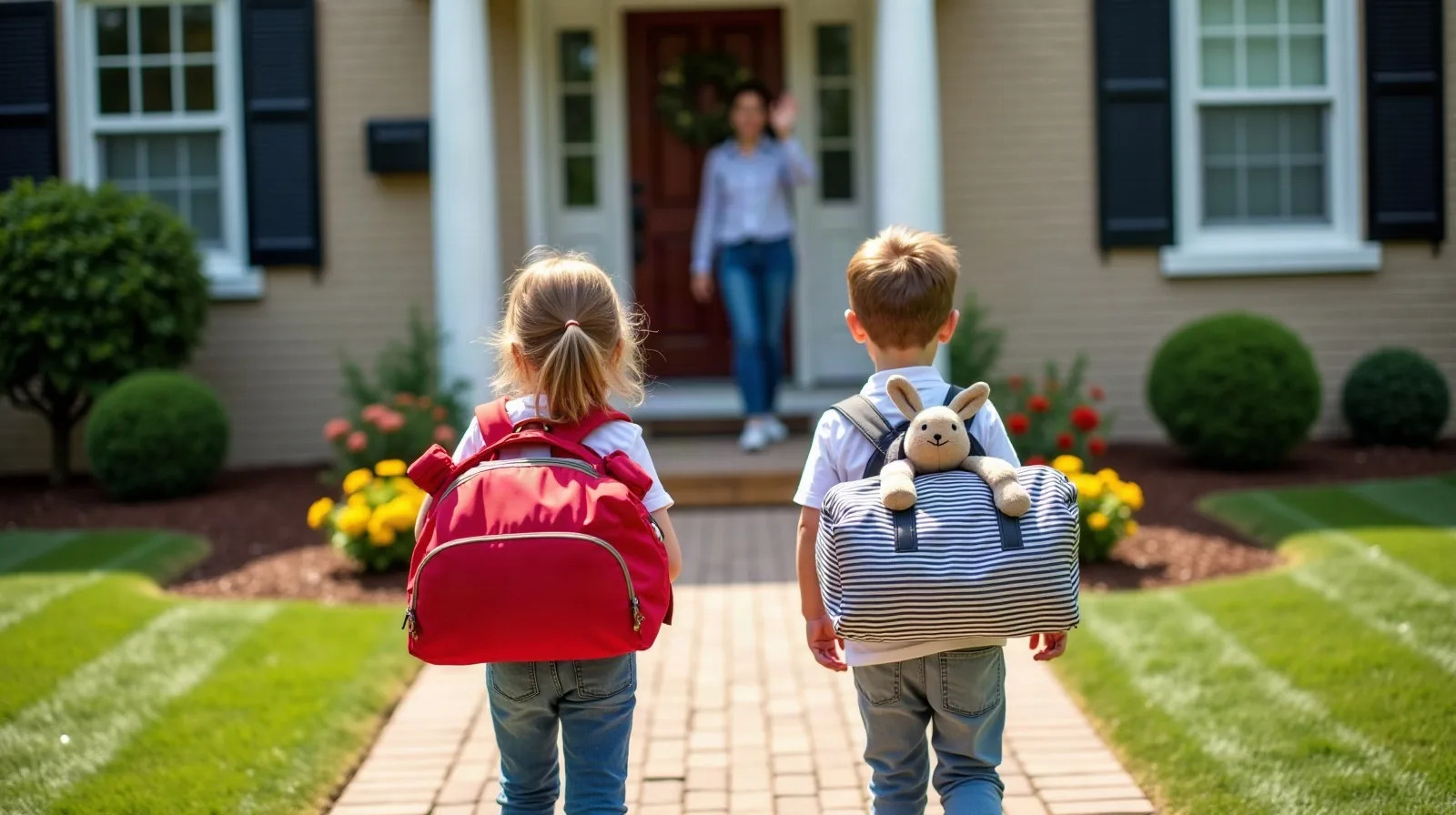
The sleeping bag is rolled, the stuffed rabbit is riding on top of the duffel, and a child is buzzing about staying at a friend’s house. For a parent, the feeling is more mixed. A first sleepover is a small leap in independence, and a little preparation makes it more likely to end in a good story instead of a late-night pickup.
Decide Whether the Timing Feels Right
There is no magic age. Parenting guidance generally points toward readiness rather than a number: has your child been comfortable spending time away from you, such as at a grandparent’s house or on a long playdate? Do they ask to go, and can they handle bedtime without you in the room? Some children are ready at seven and others at ten, and both are normal.
It also helps to know the host family. A short chat about who will be home, whether other kids are staying, and what the evening usually looks like gives you real information, and a first sleepover often goes best at a home you already know or with just one close friend.
Pack and Prepare Together
Packing is a quiet way to practice. When a child helps choose what goes in the bag, the night feels less like something that is happening to them. Walk through the evening in advance: dinner, a movie, a late bedtime, and a morning that starts early.
- Comfort item. A favorite stuffed animal or small blanket is welcome, and no one needs to explain it.
- Own pillow and sleepwear. Familiar sleep gear makes a strange bed feel less strange.
- Toothbrush and a spare outfit. A change of clothes covers spills and surprises.
- Night light or small flashlight. Ask the host first, since some homes keep lights low.
- Medications and allergy details. Share these with the host parent in writing, and follow your child’s doctor’s guidance on anything that must be given.
Agree on an Easy Way Home
The most useful preparation is a plan for the moment a child changes their mind. Kids often avoid saying they are homesick because they fear embarrassment, so it helps to make the exit simple and free of judgment.
Decide on a check-in beforehand, such as a short call at bedtime, and a private way to ask for help, like a code word the host parent also knows. Tell your child plainly that calling for a ride is always allowed, no matter the hour, and that nobody will be upset. Many children feel braver just knowing the door is open, and a good number never use it.
Keep your phone nearby that night. If a call does come, listen, offer a few calm words, and ask whether a quick break, a glass of water or a talk with the host parent might help. If your child still wants to come home, go, and treat it as practice for next time.
Keep the Night Low Pressure
Staying up late is part of the fun, but a very tired child can wobble more easily. A good lunch, some outdoor play that afternoon and a light schedule for the next day help. At pickup, skip the interrogation and ask an open question such as “What was the best part?” before anything else.
If a sleepover ends early, that is not a verdict on your child. Many kids try more than once before it clicks. If anxiety about nights away seems intense, or comes with other sleep or school struggles, a conversation with your pediatrician or a qualified professional can help sort out what is typical and what needs more support.