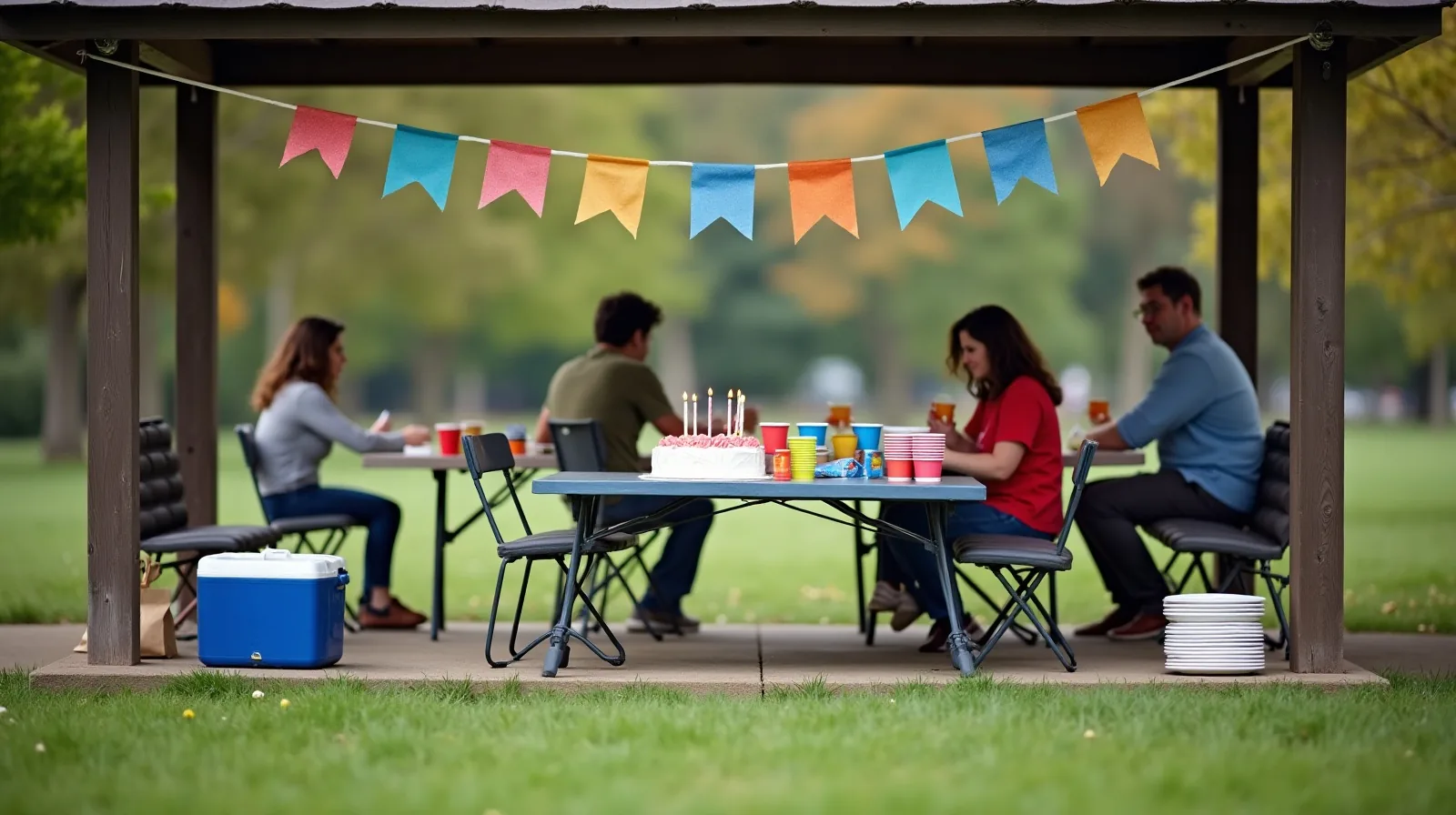
Family travel budgets rarely break on the big obvious purchase. They break on the small compulsory ones: four admission tickets instead of two, a parking fee every single day, three meals out because the room had no fridge, and an extra night added because the drive turned out longer than it looked. Some destinations are simply built so those costs stay small, and choosing one of those is worth more than any amount of deal hunting applied to a trip that was expensive by design.
Why Some Trips Cost Less by Design
The cheapest family trips share a structure. The main attraction is free or nearly free, lodging sits outside the resort zone, the days do not require buying entertainment, and food can be handled partly from a cooler or a small kitchen. Trips built around ticketed attractions work the opposite way: every morning starts with a purchase, every additional person multiplies it, and there is no version of the day that costs nothing. Choosing the structure first and the specific place second keeps the total predictable no matter where on the map it lands.
Trip Shapes That Stay Affordable
A handful of archetypes come up again and again for families watching the bottom line.
- Park gateway towns. The scenery is the attraction, an annual pass covers a whole carload, and the towns just outside an entrance run cheaper than anything inside the boundary.
- Lake regions in the shoulder season. A cabin with a kitchen, a beach that costs nothing, and a rented paddleboard or canoe only on the days everyone actually wants one.
- Small cities with free museums. University towns and state capitals often stack free or donation-based museums beside a walkable center and cheap parking a few blocks out.
- Off-season beaches. Late spring and early autumn cut coastal lodging sharply while the sand stays open, the water stays swimmable in many regions, and the crowds do not show up.
- A long drive to relatives. Deeply unfashionable and genuinely the cheapest trip available, especially when a day trip or two gets built around it so it feels like travel.
The Levers That Move the Total
Four decisions account for most of the gap between two otherwise similar trips. Lodging with a kitchen, even a minimal one, usually saves more over a week than a cheaper room without it. Distance from the main attraction drops the nightly rate quickly, often substantially within a fifteen-minute drive. Timing swings the same room in the same town dramatically between peak and shoulder weeks. And the number of ticketed days sets the ceiling: alternating a paid day with a free one cuts the admissions line of the budget roughly in half without shortening the trip by a single day.
Timing Beats Bargain Hunting
Traveling in the weeks just outside peak season is the most effective cost lever most families have, and the trade is usually mild: slightly cooler water, a few attractions on reduced hours, one afternoon of rain. Midweek arrivals help for the same reason, since rates follow demand rather than distance. School calendars limit the options, but most years contain a few flexible windows, and using one of them moves the total more than a full week of searching for discounts on peak dates ever could.
Planning Days So Nobody Melts Down
A cheap trip everyone remembers badly is not a bargain. Build each day around one anchor activity rather than three, keep driving legs under a few hours while kids are small, and protect a slow morning after any late night. Pack water and real snacks so an expensive impulse purchase never becomes the only option at four in the afternoon, and favor lodging with somewhere to run, even a scrap of lawn. Anyone traveling with a medical condition, high elevation on the itinerary, or a long hike on the list should check with a doctor while the plan is still flexible, rather than after arriving somewhere remote.