Most homemade versions of takeout disappoint for the same reason: the recipe is fine and the flavor is flat. The dish looks right, tastes polite, and sends everyone back to the delivery app the following week. What is missing is almost never skill. It is a short list of high-impact pantry items and two or three techniques that professional kitchens lean on constantly and home cooks skip. Fix those and four familiar orders become weeknight dinners that cost a fraction of what they do arriving in a bag.
The Pantry That Makes Takeout Taste Like Takeout
Restaurant flavor is mostly built from concentrated salty, sour and savory ingredients used with more confidence than a home cook usually musters. A shelf holding soy sauce, toasted sesame oil, rice vinegar, dried chili flakes or a chili crisp, a jar of chipotles in adobo, cumin, smoked paprika, garlic powder and a bottle of neutral high-heat oil covers an enormous range. Two more make the difference between close and convincing: something sour to finish with, whether lime, vinegar or a spoon of pickle brine, and something crunchy on top, whether that is toasted sesame, fried shallots, or shredded cabbage. Buy the list once and it will outlast dozens of dinners.
Four Orders Worth Copying
Each of these is really a template. Learn the shape and the fillings become whatever the fridge is holding.
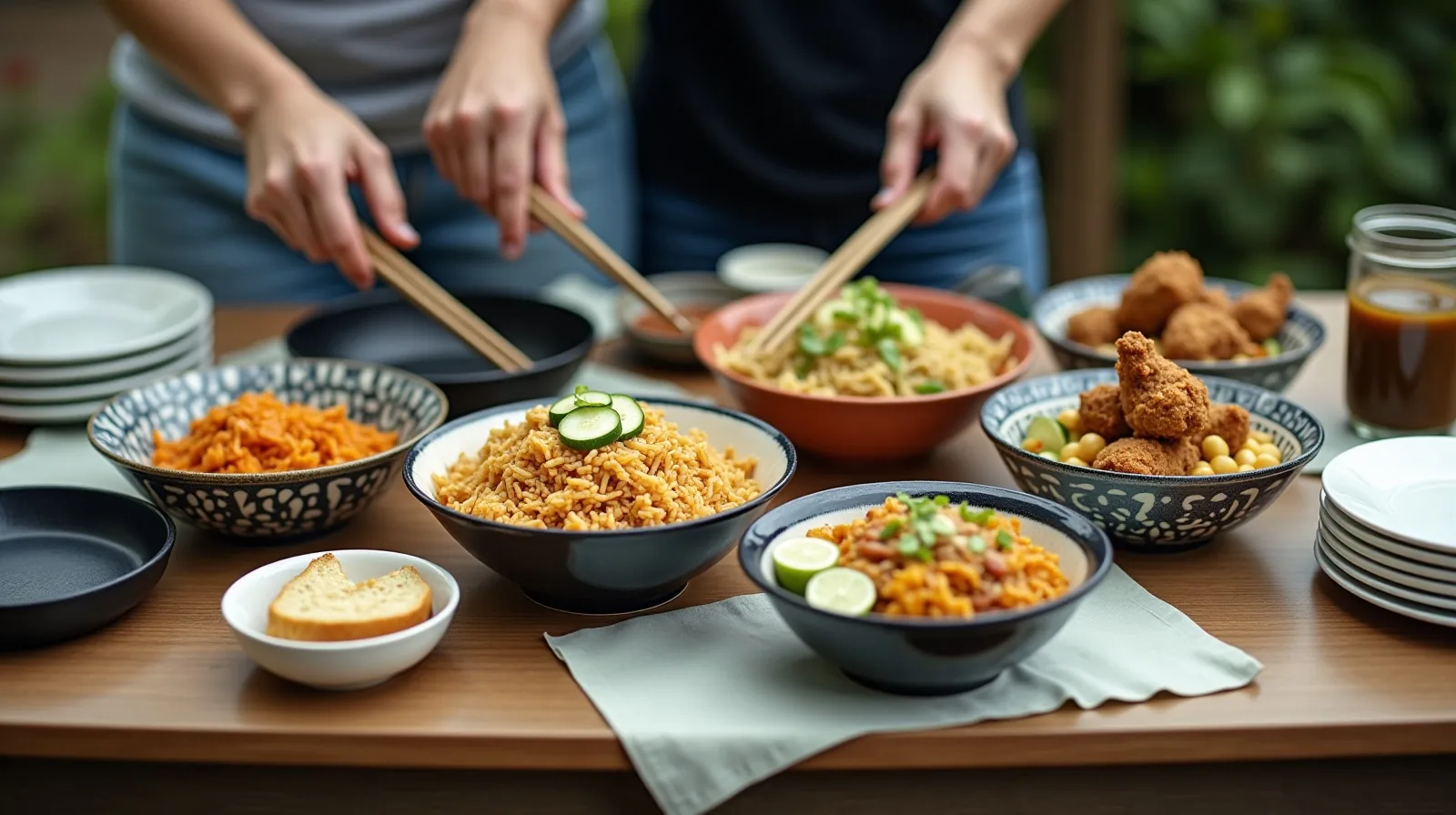
- Fried rice. The rule is cold, day-old rice and a pan hotter than feels comfortable. Cook the egg first and set it aside, sear whatever vegetables and protein are on hand, return the rice, then season with soy and sesame off the heat.
- A noodle bowl. Boiled noodles, a sauce of soy, vinegar, sesame oil and chili whisked in the bottom of the bowl, then anything roasted or seared on top. Raw crunch of cucumber, scallion or cabbage is not optional.
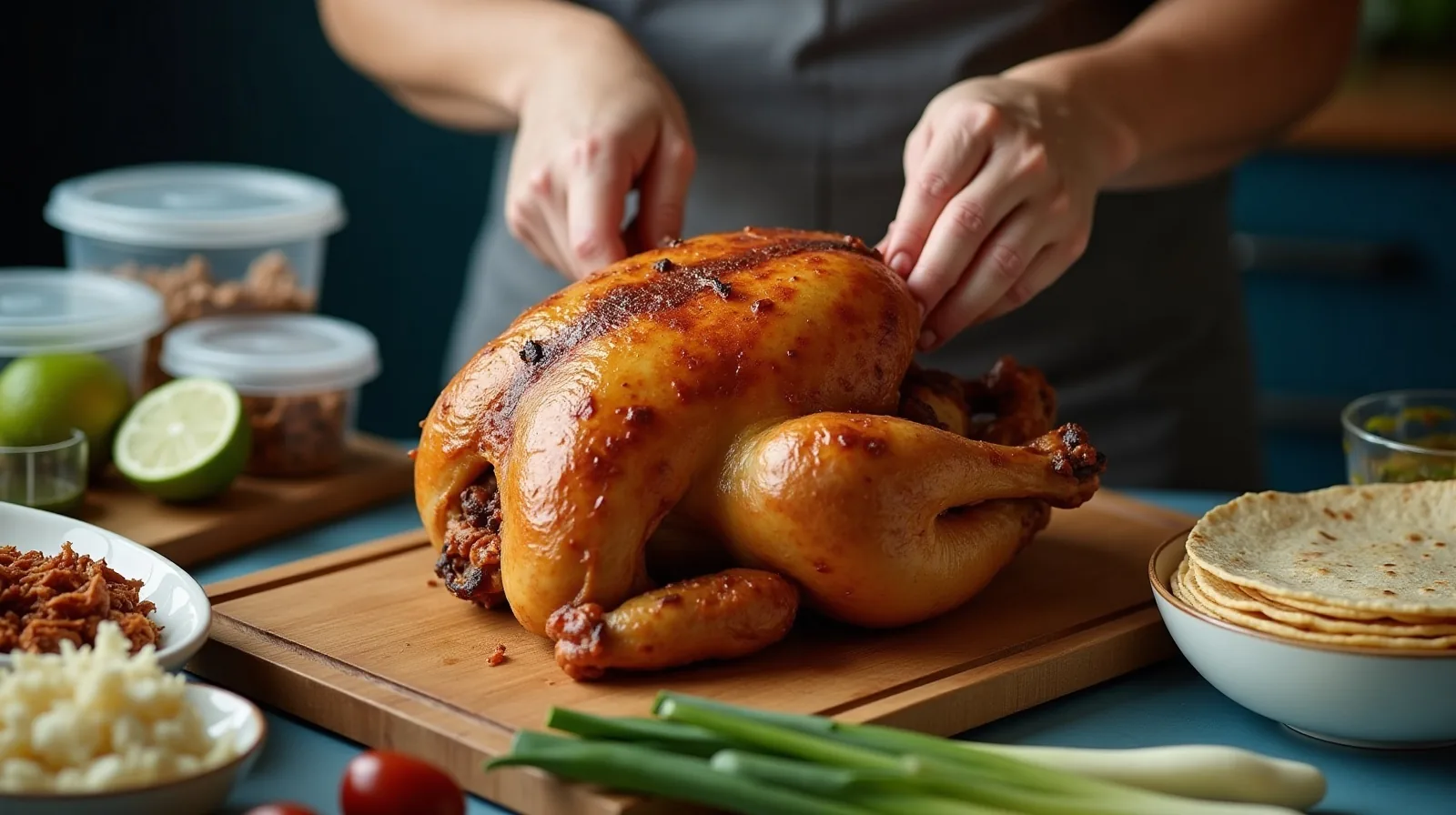
- The crispy chicken sandwich. Brine a boneless thigh in buttermilk or pickle juice, dredge in seasoned flour, press it in hard so it looks craggy, then shallow-fry in an inch of oil. Sauce, pickles, soft bun.
- A burrito bowl. Rice cooked with a bay leaf and finished with lime and cilantro, beans warmed with cumin and their own liquid, a seared protein, and something acidic and something creamy on top.
- The sauce that ties any of them together. Mayonnaise or yogurt loosened with lime or vinegar, plus one strong flavor: chipotle, chili crisp, or garlic. Five minutes, and it makes a plate taste finished.
The Techniques Restaurants Use and Home Cooks Skip
Heat comes first. A restaurant burner cooks food faster than a home stove ever will, so the compensation is a heavy pan preheated longer than seems necessary and food cooked in small batches. Crowding the pan turns searing into steaming, which is why so much homemade stir-fry ends up gray and wet. Second, everything gets prepped and lined up before the pan gets hot, because these dishes cook in minutes and there is no pausing to chop an onion. Third, season in layers rather than at the end — a little salt on the vegetables, a little on the protein, then the sauce — and taste before serving. Finally, add the acid last, off the heat, where it stays bright instead of cooking away.
The Honest Cost Math
Delivery is expensive in a way the menu price hides. A single order carries the food, a delivery fee, a service fee, a tip and often inflated in-app menu pricing, which routinely lands a two-person dinner well above what the same food would cost from a counter. At home, the ingredient cost of fried rice or a burrito bowl for four typically lands in the range of a single delivered entree, and the crispy chicken sandwich, the most labor-intensive of the four, is still dramatically cheaper per serving than the restaurant version. Be fair about the tradeoff, though: cooking costs roughly thirty to forty minutes and a pan to wash. The useful frame is not never ordering again. It is turning three delivery nights a month into one, and putting the difference toward the version made at home that everyone actually prefers.