
Stand at the meat counter long enough and a quiet injustice reveals itself: the most expensive cuts are often the least interesting ones. A tenderloin costs a small fortune because it’s tender straight out of the package — not because it tastes like much. Meanwhile, the cuts sitting at a third of the price carry the deepest, beefiest, most satisfying flavor in the case. The catch is that they make you earn it. The good news is that the earning is mostly time and heat, not skill, and once you know the handful of moves involved, a weeknight chuck roast can taste like something a restaurant would proudly charge you for.
Why Cheap Cuts Are Cheap (and Why That’s Good News)
Price at the meat counter tracks convenience, not flavor. Tender cuts come from muscles the animal barely used; they cook fast and forgive nothing. The inexpensive cuts come from hard-working muscles — shoulders, legs, haunches — which means more connective tissue, but also more of the rich, savory depth that makes meat taste like meat. That connective tissue is the whole game: treated wrong, it’s chewy; treated right, it melts into the silky, spoon-tender texture people pay steakhouse prices for. You’re not buying worse meat. You’re buying meat that comes with homework.
The Cuts Worth Grabbing
- Chuck roast. The shoulder workhorse. Braised low and slow, it becomes pot roast, shredded beef, or a rich stew that tastes far above its price tag.
- Bone-in chicken thighs. Cheaper than breasts, nearly impossible to dry out, and the skin crisps beautifully in a hot pan or oven.
- Pork shoulder. The most forgiving large cut there is. Hours in a low oven or slow cooker turn it into pulled pork that feeds a crowd for pocket change.
- Whole chicken. Usually cheaper per pound than any of its parts — one roast, then sandwiches, then a pot of stock from the carcass.
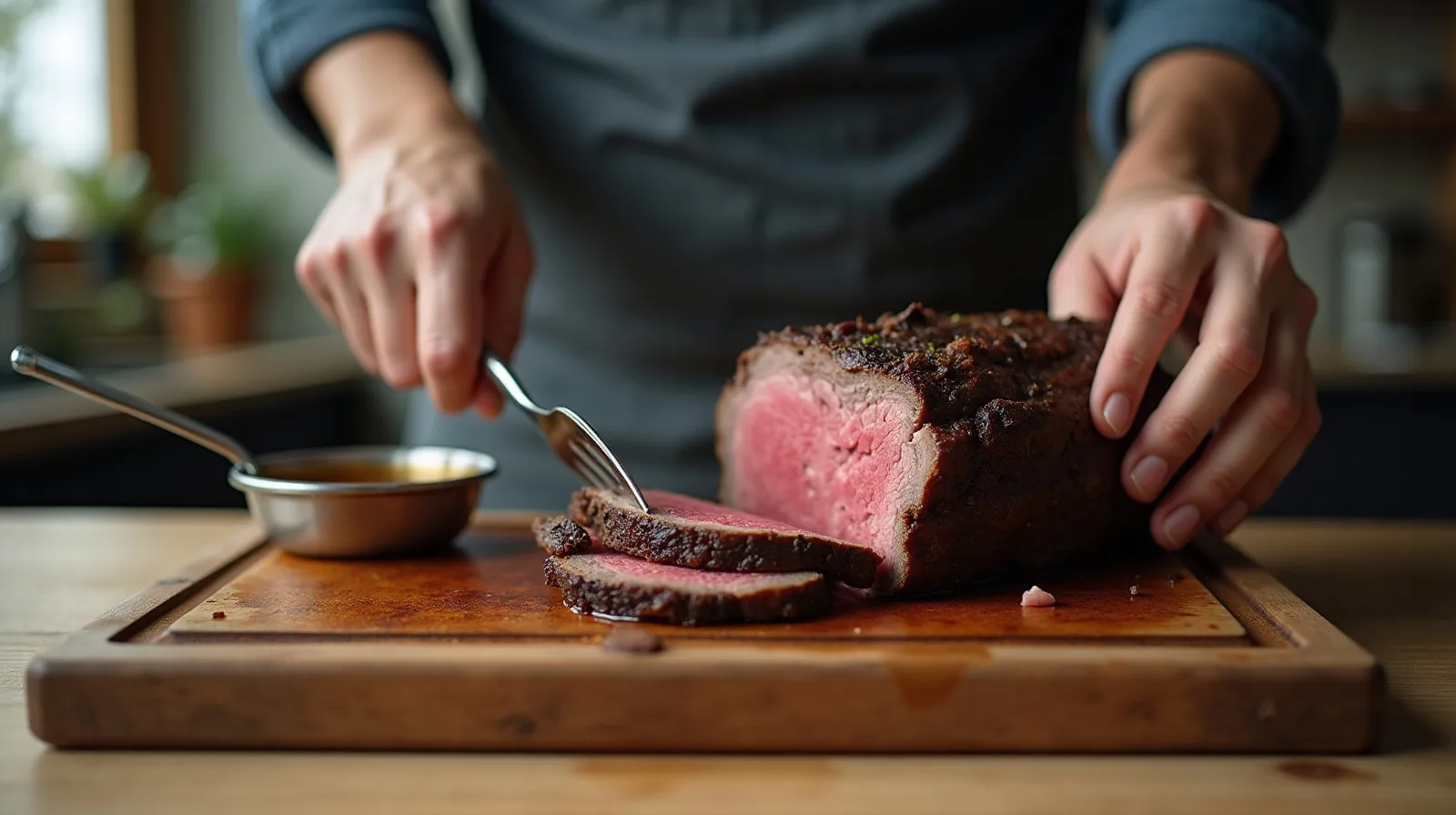
- Top round. Very lean and very affordable. Seared hard, rested, and sliced thin against the grain, it eats like a far pricier steak.
Two Techniques Do Almost All the Work
Every cut above answers to one of two methods. The collagen-heavy cuts — chuck, pork shoulder — want low and slow with moisture: a covered pot, a little liquid, and a few unhurried hours while the connective tissue dissolves into gelatin and the meat turns fork-tender. You can’t rush it, but you also can’t really ruin it. The lean cuts — top round, thighs off the bone — want the opposite: hot and fast, then a rest, then thin slices against the grain. Cutting across the muscle fibers shortens them, and short fibers read as tenderness on the tongue. An inexpensive instant-read thermometer removes the guesswork from both camps — it’s the single cheapest upgrade to how meat turns out at home.
The Finishing Moves That Read Expensive
A few small habits close the remaining gap. Salt the meat the night before, or at least an hour ahead — salt needs time to travel inward, and it’s the difference between seasoned meat and seasoned surface. Let anything seared or roasted rest before you cut it, so the juices settle back in instead of flooding the board. And never rinse away the browned bits left in the pan: a splash of broth, a knob of butter, and a minute of scraping turns them into a pan sauce that makes the whole plate look intentional. None of this costs anything. That’s rather the point.