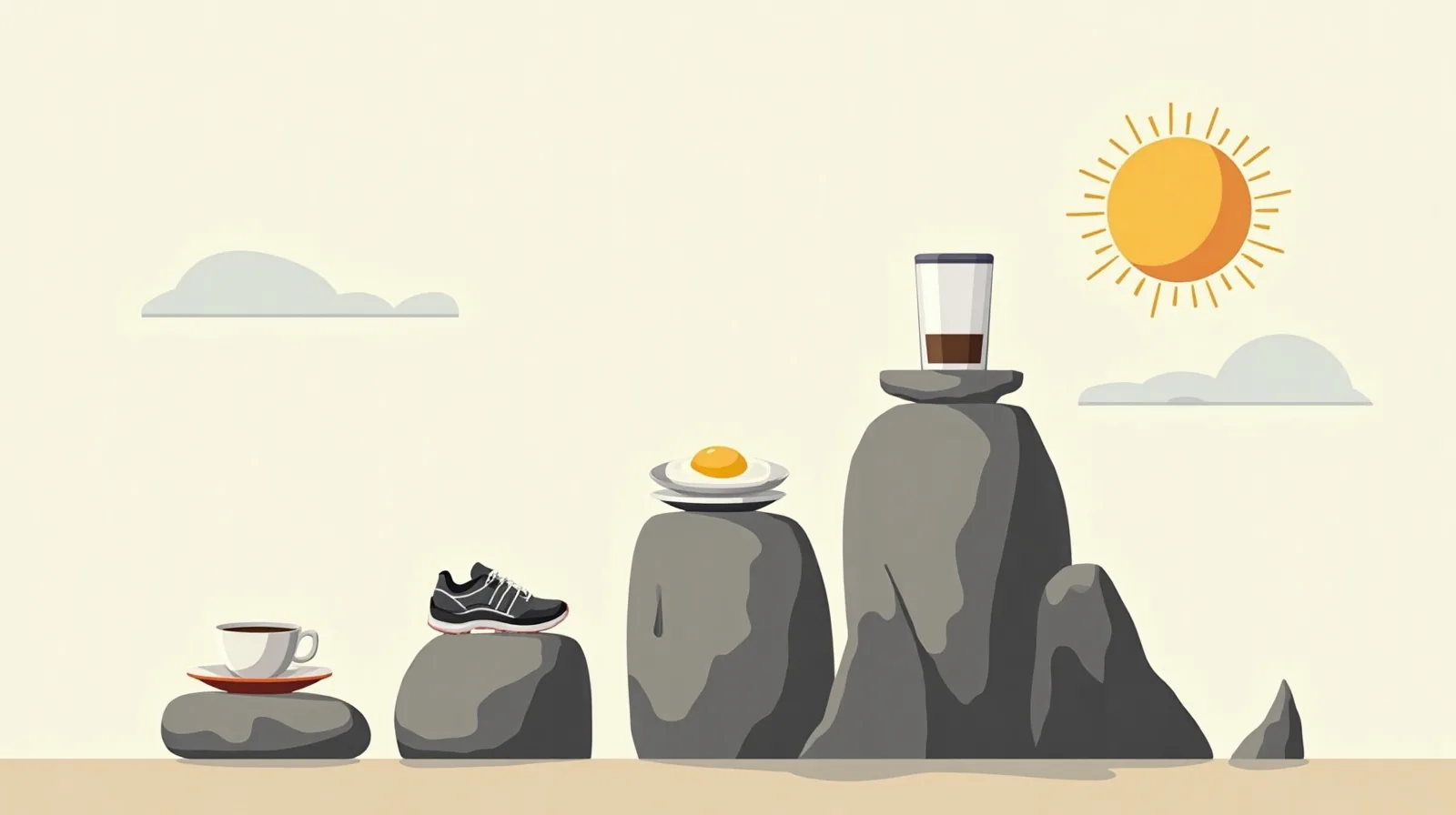

The afternoon cup of coffee feels harmless. It lands at 3 p.m., the work gets done, and bedtime is still hours away. Then midnight arrives and sleep does not. Caffeine is the most widely used stimulant in the world, and its effects linger far longer than most people assume. Here is how it works, how to find a sensible cutoff time, and what to reach for when the afternoon dips.
Why Caffeine Lingers Longer Than You Think
Caffeine works largely by blocking adenosine, a chemical that builds up through the day and makes the body feel sleepy. Block it, and alertness rises. The catch is timing: caffeine’s half-life in a typical adult is often described as roughly five to six hours, though it varies a lot from person to person. That means a cup at 3 p.m. can still leave a meaningful share of its caffeine circulating at 9 p.m. Genetics, body size, medications, pregnancy and regular intake all shift the numbers, which is why one friend sleeps fine after an espresso at dinner while another is wired after lunch.
Research on late caffeine generally points the same direction. Studies have found that a dose taken several hours before bed can delay sleep onset and shorten deep sleep, even in people who say it does not bother them. Falling asleep is not the only measure; sleep can quietly become lighter without the person noticing the cause.
Finding Your Own Cutoff Time
Public health guidance tends to offer a rule of thumb rather than a hard number: stop caffeine somewhere in the range of six to eight hours before bedtime, and earlier if sleep is already shaky. For a 10:30 p.m. bedtime, that points to a last cup around 2 or 3 p.m. at the latest, and often noon for sensitive sleepers.
To fine-tune it, run a simple two-week experiment. Keep the usual bedtime, move the last cup an hour or two earlier every few days, and notice how long it takes to fall asleep and how the morning feels. The right cutoff is the latest time that leaves sleep unchanged. Remember that caffeine hides in more places than coffee, so count tea, cola, energy drinks, pre-workout powders and chocolate toward the total.
Smarter Ways Through the Afternoon Dip
The mid-afternoon slump is largely a built-in dip in alertness, and caffeine only papers over it. Alternatives often work as well and cost nothing at night:
- Step outside for ten minutes of daylight, which helps anchor the body clock.
- Drink a glass of water, since mild dehydration can feel like tiredness.
- Walk a lap around the block or the building to get the blood moving.
- Eat a balanced snack with protein and fiber instead of a sugary one.
- Swap to decaf or herbal tea after the cutoff to keep the ritual without the stimulant.
When to Talk to a Professional
Many healthy adults do fine with moderate daily caffeine, and mainstream guidance generally treats a few cups of coffee a day as a reasonable ceiling. But people who are pregnant, have heart rhythm problems, anxiety, reflux or high blood pressure, or take medications that interact with caffeine should check with their doctor or another qualified professional about the right amount. Cutting back sharply can bring headaches and irritability for a few days, so tapering gradually is gentler. And if sleep stays poor after the caffeine is sorted, it is worth raising with a clinician, since many things besides coffee can disrupt rest.