Birthday party costs creep up in a way nobody plans for. A venue package, a themed set of plates, a stack of favor bags, and a cake ordered because the week got away from everyone, and a party for a seven-year-old quietly passes the cost of a nice dinner out. The frustrating part is that kids barely register the expensive pieces. What they remember is who came, whether there was something to do, and whether the cake showed up. Almost every dollar worth saving comes out of the parts nobody was tracking.
Guest Count Is the Whole Budget
Nearly every other number follows from the headcount. Food, favors, seating, and the size of the space all scale with it, so trimming the list does more work than any coupon ever will. A guideline many parents fall back on is roughly one guest per year of age, which keeps a six-year-old’s party at six friends instead of an entire class. Settling the count first also answers the venue question, because a party of eight fits into places a party of twenty-five never will.
Venues That Cost Nothing
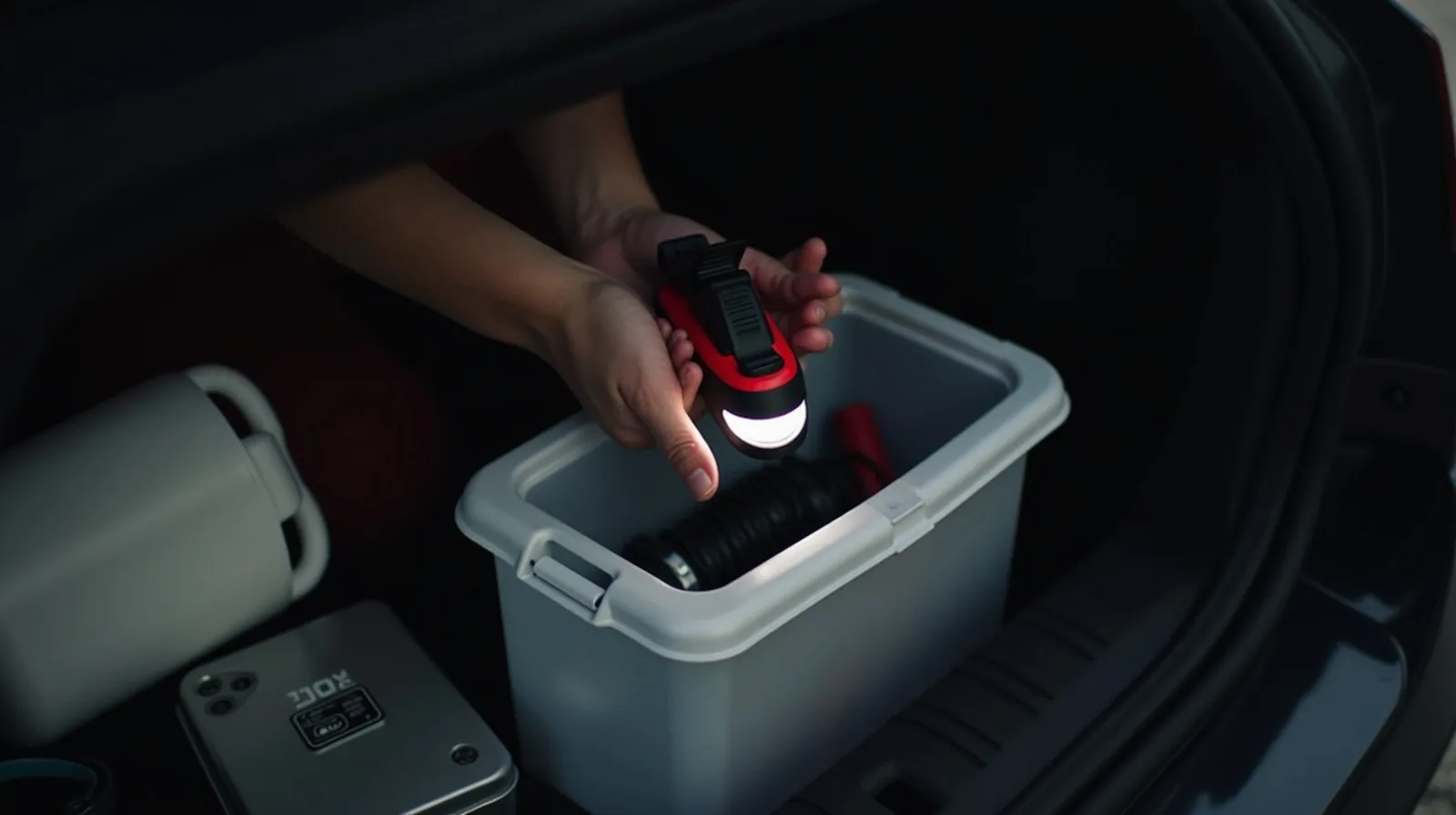
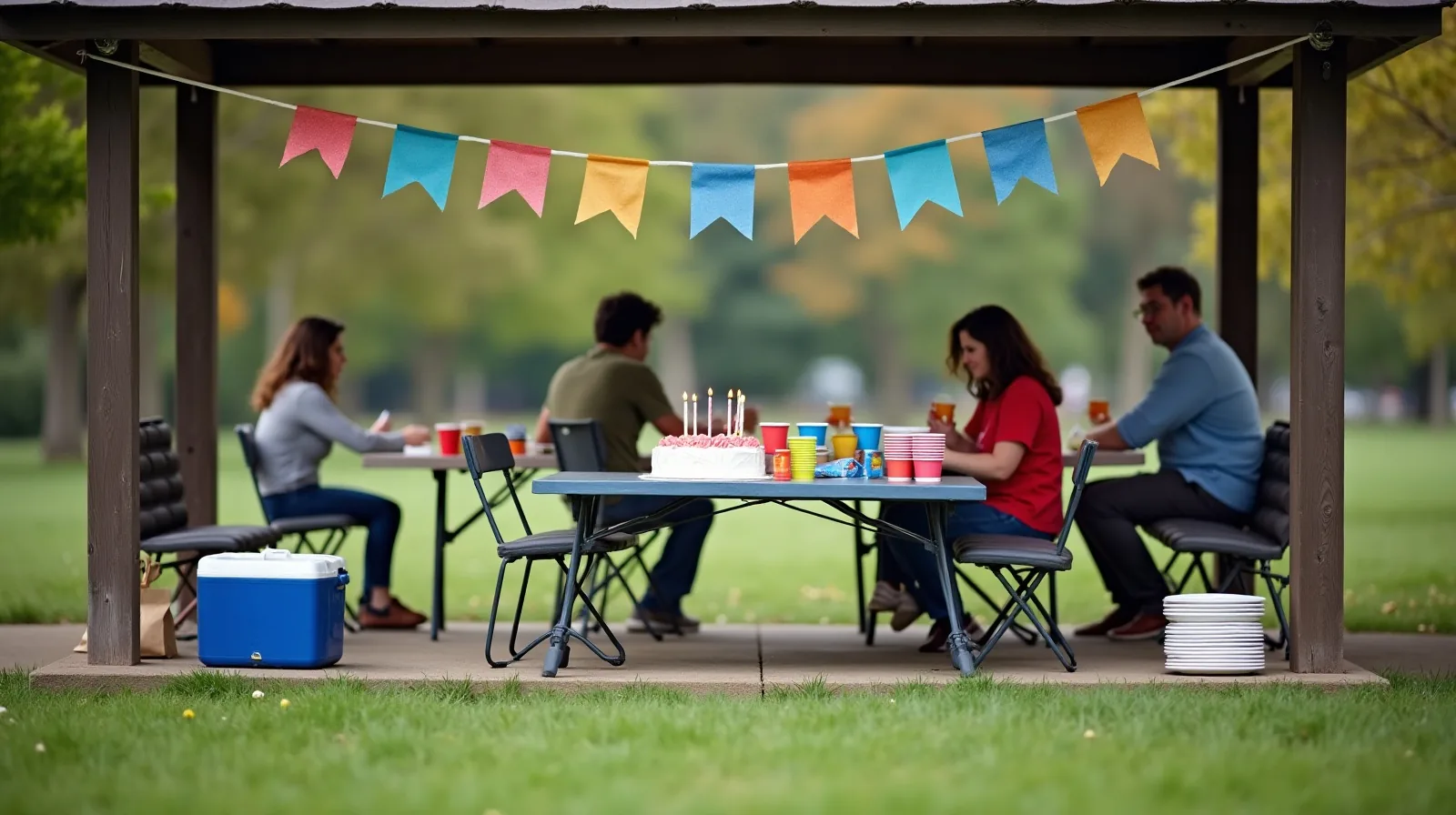
Booked party rooms are the single largest line item and the easiest one to delete. Public parks with picnic shelters reserve for a small fee or nothing at all in many towns. A backyard works when the forecast cooperates, with the garage or living room as the rain plan. Community centers, apartment clubhouses, and public sports fields are frequently free for residents, and a library meeting room can carry a quiet craft party. The trade is that a free space arrives bare, so the plan has to include tables, trash bags, and a way to haul everything in one trip.
Where the Money Actually Goes
With the venue handled, the rest of the spending sorts cleanly into things guests notice and things they never will.
- Spend on food that fills people. Pizza, hot dogs, or a build-your-own taco tray beat a spread of small themed snacks, cost less per head, and leave fewer leftovers behind.
- Spend a little on the cake. A homemade sheet cake or a plain bakery cake finished at home is the thing every camera in the room points at.
- Skip the favor bags. Small plastic toys are in the trash within a week. One decent item per guest, or a cookie to take home, does the same job for less.
- Skip themed tableware. Solid-color plates and cups in two coordinating colors read as deliberate and cost a fraction of licensed sets.
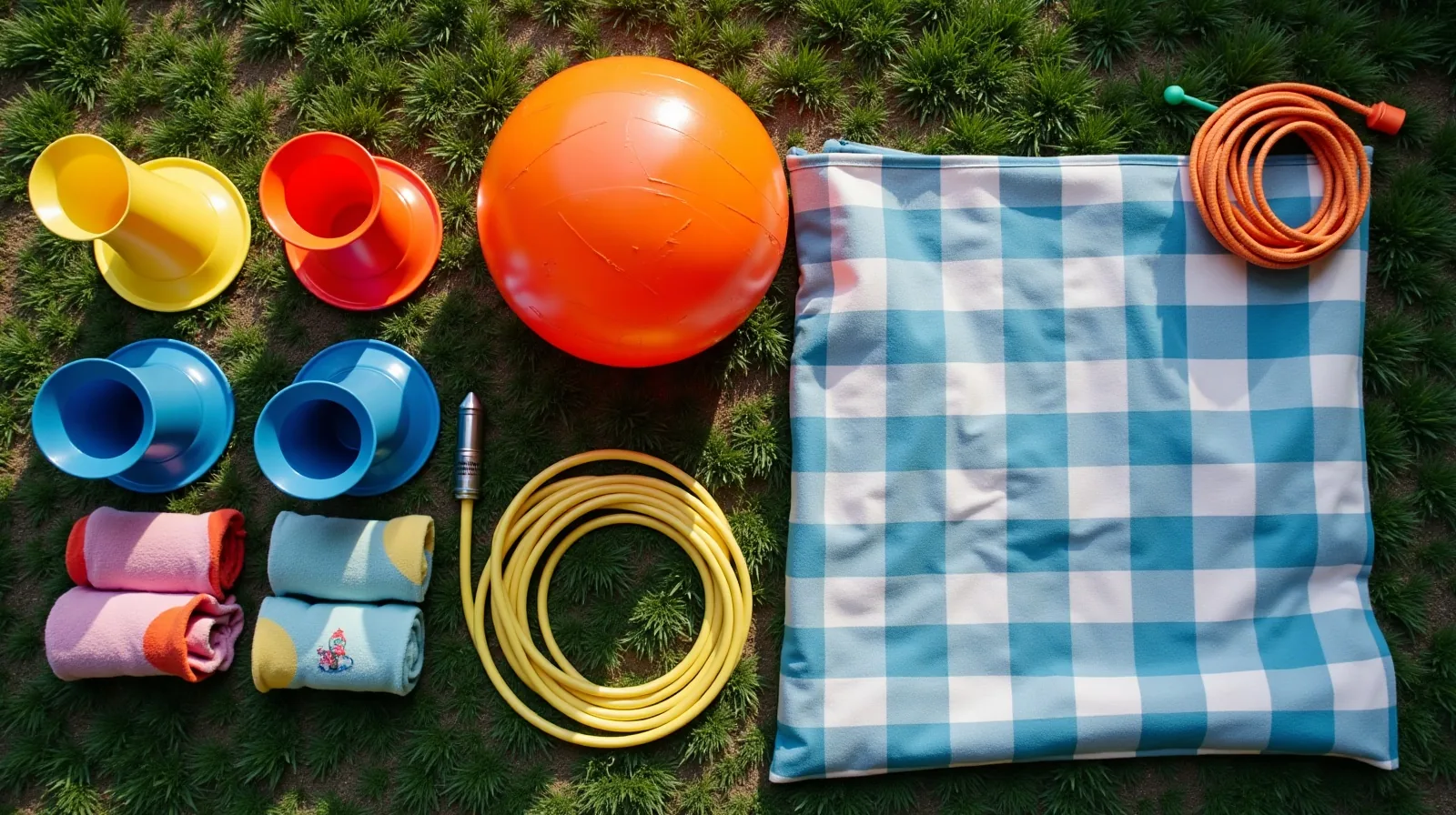
- Skip the hired entertainer. A run of simple games costs nothing and holds attention just as well for most ages under ten.
- Keep drinks to two options. Water plus one other choice, in a cooler with a marker for cups, prevents the parade of half-finished drinks.
Decorations You Can Make the Night Before
Decorating is about one focal point, not a covered room. Pick a single wall or table and put everything there: a paper garland cut from craft paper, a cluster of balloons, and a length of fabric as a backdrop. Kids read that spot as the party and ignore the rest. Streamers cut from wrapping paper, a chalkboard propped on a chair, and a jar of whatever is blooming in the yard cost almost nothing and take an hour with scissors and tape. Anything hung outdoors should be tied rather than taped, since a breeze finds tape immediately.
The Two-Hour Timeline
Two hours is the sweet spot for young kids, and a written timeline keeps it from sprawling into four. The first twenty minutes are arrival and free play, which quietly absorbs late guests. The next forty are structured games, run back to back so momentum never drops. Cake and singing land at the one-hour mark, when energy peaks. The final half hour is open play while parents drift in, with presents optional and goodbyes on the way out the door. Post the timeline where the adults can see it, hand one person the job of watching the clock, and end on time.