An air fryer is really just a small, powerful convection oven with a fan mounted close to the food, and most of what separates a genuinely good result from a soggy or scorched one comes down to a handful of habits rather than any particular recipe. The three fixes below apply to almost anything that goes in the basket, from frozen fries to a tray of roasted vegetables, and none of them call for new equipment.
Give the Basket Room to Breathe
The most common beginner mistake is filling the basket the way a sheet pan gets filled — edge to edge, sometimes stacked two layers deep. An air fryer cooks by circulating hot air around every surface of the food, and a crowded basket blocks that airflow the same way a closed oven door would. Spread pieces out in a single layer with visible gaps between them, and for anything more than a single batch, cook in shifts rather than piling more in. Shaking the basket or flipping the food partway through matters more here than in a regular oven, since the exposed top and the pressed-down bottom cook at noticeably different rates without that mid-cook toss.
Skip the Aerosol Spray, Use a Light Hand With Oil
Fat still does real work in an air fryer — it helps food brown and gives a crisp exterior its color — but it needs far less than deep frying or even regular roasting. A teaspoon or two of a neutral oil, tossed with the food before it goes in or brushed on with a pastry brush, is usually enough for a full batch. Aerosol cooking sprays are worth skipping directly on the basket: the propellants in most cans build up a sticky film on nonstick coatings over repeated uses that plain oil does not leave behind. A refillable oil mister filled with regular oil gives the same light, even coating without that residue, and some naturally fatty foods, like wings or already-battered items, barely need any oil added at all.
Preheat, Then Trust Your Eyes Over the Clock
Air fryers run hotter and faster than a standard oven set to the same temperature, so a cook time written for a full-size oven usually overshoots. Check food two to three minutes before the shortest time given, especially the first time cooking something new in a specific machine, since baskets, wattages, and preheat habits all vary. A short preheat — three to five minutes at the target temperature — keeps the first side of food from lagging behind the rest of the batch. A lower temperature stretched over a longer time tends to keep delicate items like fish or a thin cutlet from drying out, while a higher temperature for a shorter stretch is the move for genuinely crisp results on something like wings or roasted potatoes.
Five Foods That Build Air Fryer Confidence Fast
A few foods are especially forgiving while the habits above become automatic, and they make a solid starting rotation before moving on to trickier dishes.
- Frozen fries or tots — shake the basket once partway through and they crisp up more evenly than a conventional oven manages in the same time.
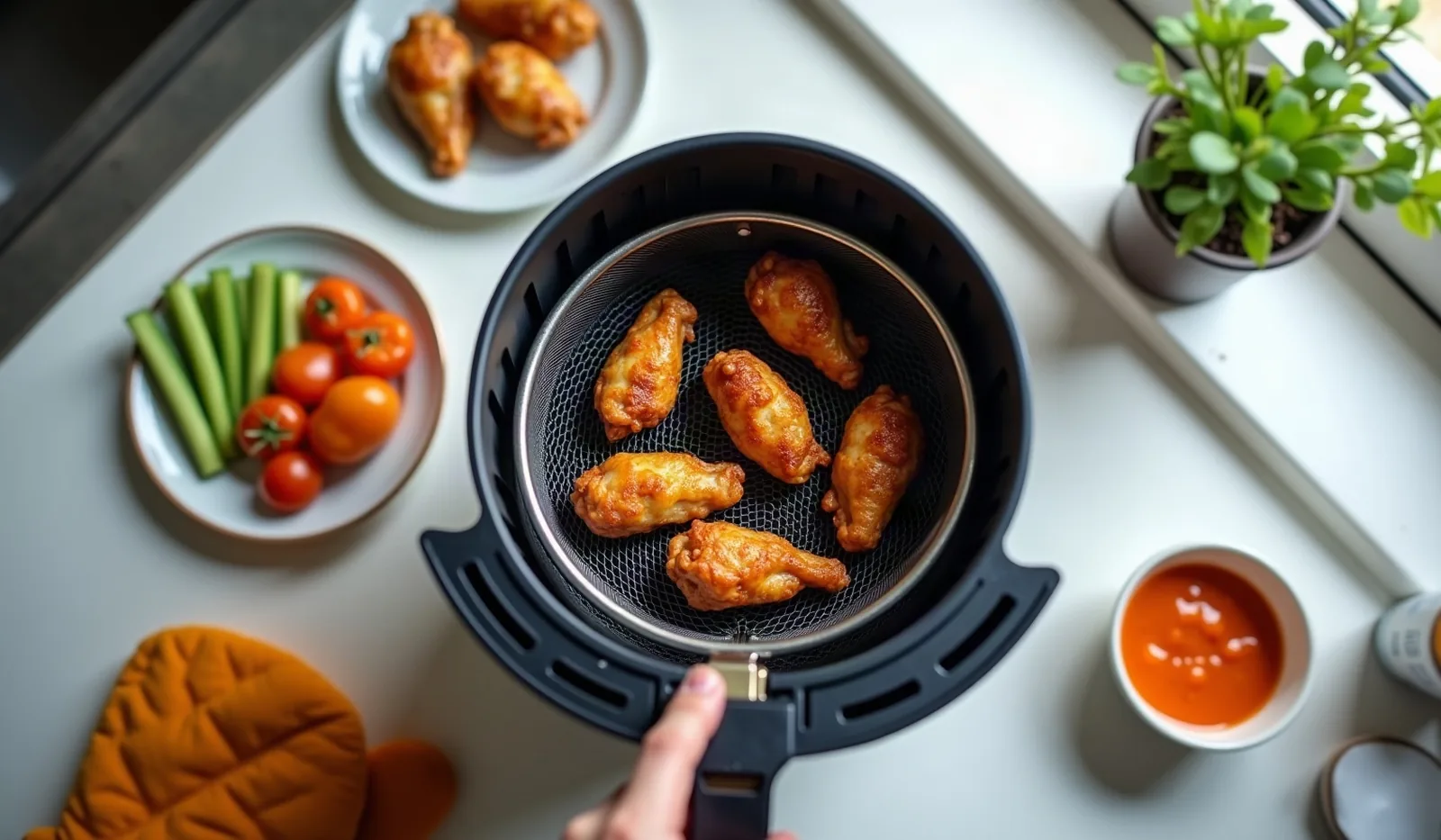
- Bone-in chicken wings — the fat rendering off keeps them from drying out even under the fast, hot air.
- Cut vegetables like broccoli florets or halved brussels sprouts, tossed with a little oil and salt before going in.
- Reheated leftovers, especially anything originally fried or breaded — a few minutes restores the crisp texture a microwave cannot.
- Hard-boiled eggs — a short, low-temperature cook in the basket with no pot of water to babysit on a stovetop.